The Ultimate Guide to Collecting Taisho Era Antique Kimono
The Allure of the Taisho Roman Aesthetic
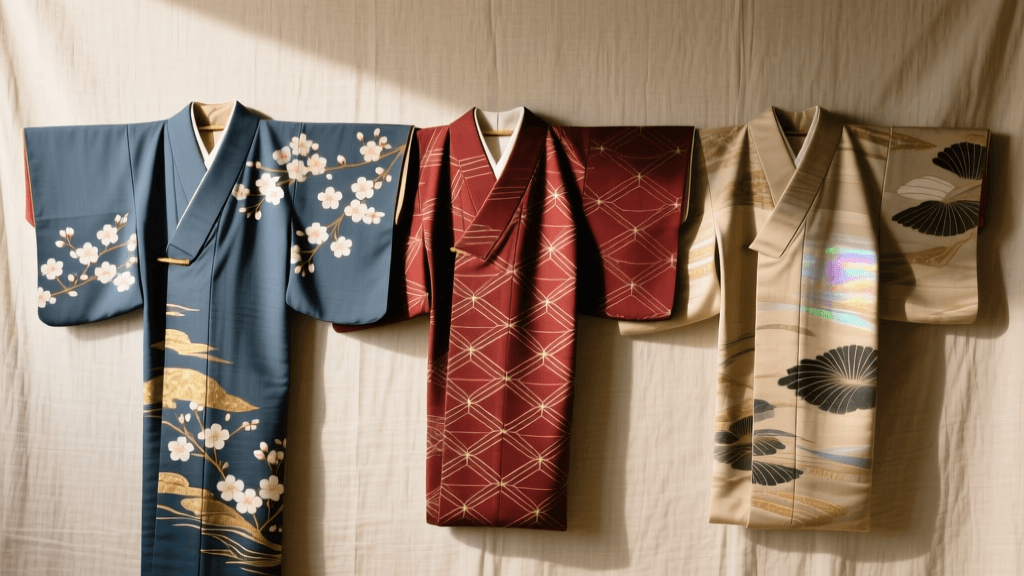
For serious collectors of traditional Japanese garments, the transition from the Meiji period (1868–1912) into the Taisho era (1912–1926) represents a golden age of textile artistry. Following the strict sumptuary laws of the Edo period, the Taisho era introduced a wave of Western influence, resulting in the "Taisho Roman" aesthetic. This unique period blended traditional Japanese motifs with Art Deco geometry, vibrant synthetic dyes, and bold, romantic florals. Collecting antique kimono from this era is not merely about acquiring clothing; it is about preserving a tangible piece of Japan's rapid modernization. According to the Victoria and Albert Museum, the evolution of the kimono during these decades reflects a society negotiating its place between deep-rooted heritage and global modernity. However, sourcing, authenticating, and preserving these century-old silk garments requires specialized knowledge, precise measurements, and meticulous care.
Understanding the Eras: A Collector's Timeline
Before investing in antique textiles, it is crucial to understand the visual and structural markers that define different historical periods. The table below outlines the key characteristics that differentiate Meiji and Taisho kimono from their predecessors and successors.
| Era | Years | Key Motifs & Aesthetics | Dyeing Techniques | Common Silk Types |
|---|---|---|---|---|
| Edo | 1603–1867 | Subtle, nature-inspired, restricted by sumptuary laws | Shibori, Katazome, early Yuzen | Tsumugi, Chirimen |
| Meiji | 1868–1912 | Auspicious symbols, cranes, pines, deep somber colors | Yuzen, introduction of aniline dyes | Rinzu, Chirimen |
| Taisho | 1912–1926 | Art Deco geometry, bold florals, "Taisho Roman" romance | Vibrant chemical dyes, intricate Yuzen | Omeshi, Chirimen, Rinzu |
| Early Showa | 1926–1945 | Patriotic motifs, war-time austerity, simplified patterns | Stencil dyeing, mass production | Rayon blends, Meisen |
Decoding Silk Weaves and Textures
When handling antique kimono, the weave of the silk is just as important as the surface design. Taisho era artisans favored specific weaves that interacted beautifully with light and dye. Chirimen is a crepe silk characterized by a pebbled texture, created by tightly twisting the weft threads before weaving. It is highly durable and takes dye exceptionally well, making it a staple for vibrant Taisho yuzen pieces. Rinzu is a damask silk featuring a glossy, woven background pattern (jimon) that reveals itself only when the light hits the fabric at an angle. Rinzu was highly prized for formal wear and wedding garments. Finally, Omeshi is a heavy, stiff crepe silk that was popular for both men's and women's everyday wear due to its resilience. Identifying these weaves by touch and sight is a fundamental skill for any serious collector, a subject frequently explored in conservation resources provided by the Textile Society of America.
Sourcing Antique Kimono: Where and How to Buy
Acquiring authentic Meiji and Taisho kimono requires looking beyond standard tourist shops in Kyoto. Serious collectors utilize several specialized avenues:
- Yahoo! Auctions Japan: This is the largest marketplace for antique textiles in Japan. Because direct bidding is often restricted to Japanese residents, collectors use proxy bidding services like Buyee or ZenMarket. Search terms like "Taisho roman kimono" (大正ロマン 着物) or "antique yuzen" (アンティーク 友禅) yield the best results.
- Kyoto Antique Markets: The Toji Temple flea market, held on the 21st of every month, and the Tenjin-san market at Kitano Tenmangu on the 25th, feature dozens of vintage textile dealers. Arriving at dawn (around 5:00 AM) is essential to secure rare pieces before they are picked over by local dealers.
- Specialized Dealers: Shops located around Kyoto's Shijo-dori and Tokyo's Ojiya district specialize in museum-quality antiques. While prices are higher, the garments are usually professionally inspected and cleaned.
Cost Expectations: A standard Taisho era komon (everyday patterned kimono) with minor flaws can be sourced for $30 to $80 USD. Pristine, five-crested (itsutsu-mon) formal Taisho kimono with intricate hand-painted yuzen and gold leaf accents typically range from $400 to $1,500 USD, depending on the condition and the reputation of the artisan.
Authentication and Inspection: What to Look For
When evaluating a potential acquisition, condition is paramount. Century-old silk is inherently fragile. Follow this inspection checklist before purchasing:
1. Inspecting the Silk Integrity
Gently pinch the fabric along the seams and the lower hem. If the silk feels powdery, brittle, or emits a fine dust, the fibers are suffering from "silk rot" (dry degradation) and the garment is beyond repair. Check the hakusan (the white silk lining inside the collar and sleeves) for black spots, which indicate mildew, or deep yellowing, which suggests irreversible oxidation.
2. Verifying the Crests (Kamon)
Formal antique kimono feature family crests. Hand-drawn crests (hin-dashi) are a hallmark of high-quality Meiji and Taisho pieces. Look closely at the edges of the crests; if they are perfectly uniform and lack the slight, organic bleed of resist-dyeing, they may be modern stencil replacements, which significantly lowers the historical value.
3. Understanding Antique Measurements
Antique kimono were tailored for the shorter average stature of the early 20th century. Modern collectors often struggle to wear them without alteration. According to archival data from the Metropolitan Museum of Art's Asian textile collections, historical garments often feature dimensions that differ vastly from modern standards. Key measurements to verify include:
- Yuki (Sleeve Length): Measured from the center back seam to the edge of the sleeve. Taisho kimono typically range from 60cm to 64cm (modern standard is 65cm–68cm).
- Mitake (Back Length): Measured from the base of the collar to the bottom hem. Antiques often measure between 145cm and 155cm, which may result in the hem dragging or requiring a deep fold at the waist (ohashori) for taller wearers.
- Sode-guchi (Sleeve Opening): Often narrower in antiques, typically measuring 20cm to 23cm.
The Art of Preservation and Storage
Proper storage is the difference between a kimono that lasts another century and one that disintegrates in a decade. The enemy of antique silk is moisture, light, and acidic materials.
Never Use Plastic
Storing silk in plastic bags or plastic bins is a fatal mistake. Plastic traps moisture, leading to mold, and emits chemical off-gassing that yellows and weakens silk proteins. Always store antique kimono in a breathable, climate-controlled environment.
Use Tatoushi Paper
Wrap each kimono in tatoushi, traditional Japanese acid-free mulberry paper. This paper allows the silk to breathe while protecting it from dust and sudden humidity shifts. If tatoushi is unavailable, use unbuffered, acid-free archival tissue paper. Never use colored tissue paper, as the dyes can transfer to the silk.
Climate Control and Refolding
Maintain a storage environment with a relative humidity of 50% to 55% and a stable temperature between 65°F and 70°F (18°C–21°C). Fluctuations in humidity cause the silk fibers to expand and contract, leading to micro-tears. Furthermore, you must refold your antique kimono every six months. Change the fold lines slightly each time to prevent permanent creases, which will eventually cause the silk to split along the fold.
Traditional Cleaning: Arai-Hari
If an acquired Taisho kimono requires deep cleaning, do not take it to a modern dry cleaner. Instead, seek out an artisan who practices arai-hari. This traditional method involves completely unpicking the kimono into its original flat fabric bolts, washing the silk in water with specialized mild detergents, and then stretching it on bamboo frames to dry and realign the fibers before it is entirely re-sewn by hand.
"To collect antique kimono is to accept the role of a custodian. We do not truly own these textiles; we merely safeguard their stories, their craftsmanship, and their silk for the generations that will follow us." — Japanese Textile Conservation Proverb
Conclusion
Collecting Meiji and Taisho era antique kimono is a deeply rewarding pursuit that bridges the gap between fashion history and textile conservation. By understanding the nuances of Taisho Roman aesthetics, mastering the inspection of century-old silk weaves, and committing to rigorous, acid-free preservation methods, collectors ensure that these masterpieces of Japanese artistry survive. Whether you are bidding on a rare chirimen crepe piece on Yahoo Auctions or carefully wrapping a five-crested yuzen masterpiece in tatoushi paper, you are actively participating in the preservation of Japan's rich sartorial heritage.