The Ultimate Guide to Jade Hair Accessories and Hanfu Ensembles
Introduction to Hanfu and the Crown of Jade
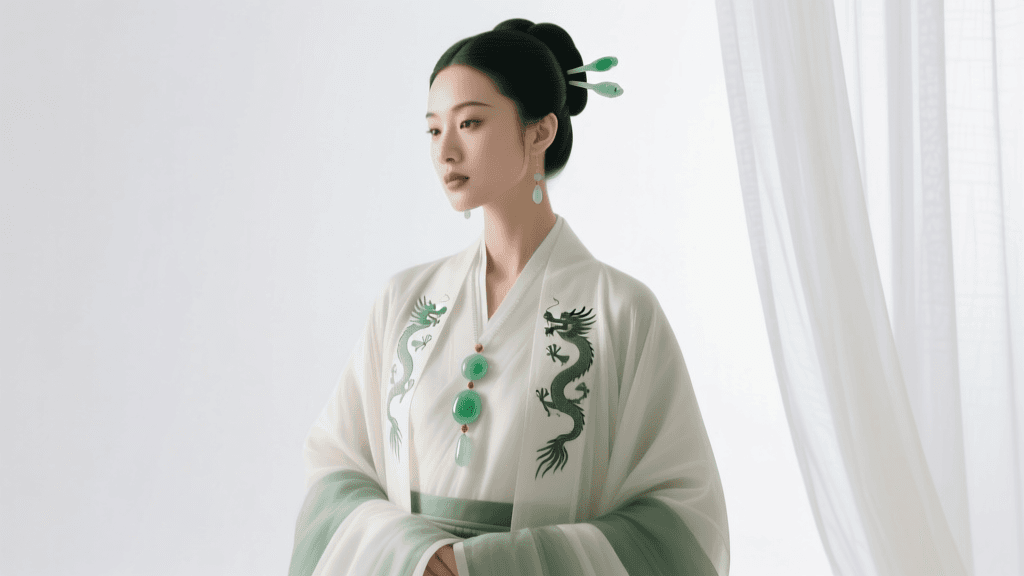
The contemporary Hanfu movement has transcended mere clothing, evolving into a comprehensive lifestyle that embraces traditional Chinese aesthetics, etiquette, and artistry. However, a Hanfu ensemble is never truly complete without its crowning glory: the hair accessories. In traditional Chinese culture, the head is considered the most sacred part of the body, and adorning it with jade (Yu) is a profound expression of moral integrity, purity, and social grace. While silk garments like the flowing Ruqun or structured Mamianqun capture the eye, it is the subtle gleam of a jade hairpin that anchors the entire aesthetic.
Building a complete Hanfu ensemble requires an understanding of how to harmonize textiles, metals, and gemstones. Jade has been carved and revered in China for over 7,000 years, serving as a bridge between the earthly and the divine. According to the Victoria and Albert Museum, jade in Chinese history was valued above gold and silver, symbolizing the Confucian virtues of wisdom, justice, and compassion. Integrating these ancient stones into modern Hanfu styling requires both historical knowledge and practical discernment.
Understanding Jade: Hetian, Xiuyan, and Dushan
Before purchasing jade hair accessories, it is crucial to understand the different types of jade available on the market. Not all 'jade' is created equal, and the mineral composition drastically affects the price, durability, and appropriate use in hair styling.
| Jade Type | Mineral Composition | Hardness (Mohs) | Price Range (USD) | Best Hanfu Application |
|---|---|---|---|---|
| Hetian Jade (Nephrite) | Calcium Magnesium Silicate | 6.0 - 6.5 | $150 - $2,000+ | Heirloom Buyao, Court Guan, Formal Ceremonies |
| Xiuyan Jade (Serpentine) | Magnesium Silicate | 2.5 - 5.5 | $20 - $150 | Everyday Zan, Floral Hairpins, Casual Outings |
| Dushan Jade | Epidote / Plagioclase | 6.0 - 6.5 | $80 - $500 | Carved Combs, Heavy Pendant Tassels |
For beginners building their first wardrobe, Xiuyan jade is the most practical choice. It is affordable, comes in beautiful translucent greens and yellows, and is perfectly suited for daily wear. For formal events, weddings, or historical reenactments, investing in a single, high-quality Hetian nephrite piece provides an unmatched luminous quality known as 'mutton fat' white or deep spinach green.
Dynasty-Specific Hanfu Ensembles and Hair Accessories
To achieve an authentic look, your jade accessories must align with the silhouette and cultural norms of your chosen Hanfu dynasty. Mixing a minimalist Song dynasty hairpin with a heavily embroidered Tang dynasty bustier can create visual dissonance.
Ming Dynasty: The Golden Age of Hairpins
The Ming Dynasty (1368–1644) is renowned for its structured garments and opulent accessories. The Metropolitan Museum of Art notes that the Ming era was characterized by an unprecedented explosion of luxury goods, intricate goldsmithing, and elaborate court dress. For a Ming-style ensemble featuring an Aoqun (lined jacket and skirt), the hair is typically styled into a structured bun adorned with a Diji (false hairpiece) or a Guan (crown).
- Key Accessory: The Buyao (step-shake). These elaborate hairpins feature dangling metal and jade pendants that sway with every movement.
- Material Pairing: Gold filigree inlaid with Hetian jade and pearls.
- Styling Tip: Use a 15cm gold-and-jade Buyao at the crown, flanked by two smaller jade Zan (single-pronged sticks) to secure the base.
Tang Dynasty: Opulence and Floral Motifs
Tang Dynasty (618–907) fashion is characterized by its boldness, high waistlines, and voluminous silhouettes. Hair was styled in towering, elaborate buns often decorated with peony motifs.
- Key Accessory: Large jade-inlaid combs and wide floral hairpins.
- Material Pairing: Silver or gilded metals paired with vibrant green Xiuyan jade, coral, and turquoise.
- Styling Tip: Position a wide, semi-circular jade comb at the front of the hairline, allowing the carved floral motifs to rest against the forehead.
Song Dynasty: Minimalist Elegance
In stark contrast to the Tang, the Song Dynasty (960–1279) favored intellectualism, subtlety, and refined elegance. The garments were slender, with narrow sleeves and understated colors.
- Key Accessory: Slender, unadorned jade Zan and simple jade rings woven into the hair.
- Material Pairing: White or pale celadon jade paired with oxidized silver or dark wood.
- Styling Tip: A simple low bun secured with a single, high-quality 12cm white jade stick, allowing the natural texture of the stone to be the focal point.
Practical Guide: Building Your First Complete Ensemble
Assembling a complete Hanfu outfit with jade accessories requires careful budgeting and attention to measurements. Here is a practical breakdown for building a versatile Ming-inspired autumn ensemble.
1. The Garment Foundation (Budget: $90 - $200)
Start with a Mamianqun (horse-face skirt) in a rich autumnal tone like maroon or navy, paired with a contrasting Pipa-sleeve Ao (jacket). Ensure the jacket length hits just above the knee for proper historical proportion.
2. The Jade Hair Arsenal (Budget: $40 - $120)
You will need three core pieces to secure and decorate the hair:
- The Primary Zan (14cm - 16cm): A sturdy, single-pronged jade stick used to pierce the center of the bun and bear the structural weight of the hair. Cost: ~$35 (Xiuyan).
- The Secondary Chai (12cm): A two-pronged metal and jade hairpin used to lock the primary Zan in place and prevent rotation. Cost: ~$25.
- The Decorative Buyao (10cm): A purely decorative dangling piece placed near the front or side of the bun. Cost: ~$45.
3. Tassels and Pendants (Budget: $20 - $50)
Complete the look with a Yajin (dress-weight pendant) attached to the waistband of the skirt. A Hetian jade pendant weighing between 30 and 50 grams, attached to a silk braided cord with a decorative knot, serves both the historical purpose of weighing down the skirt's pleats and adding vertical elegance to the silhouette.
Step-by-Step Hair Styling with Jade
Working with solid jade requires care, as dropping a hairpin on a hard surface can chip or fracture the stone. Follow these steps for a secure, historically inspired half-up, half-down style:
- Preparation: Apply a texturizing spray to dry hair to provide grip. Jade is heavy and smooth; slippery hair will cause the pins to slide out.
- The Base: Gather the top half of your hair into a tight ponytail at the crown. Twist the hair into a compact, flat bun and secure it temporarily with a hair-friendly elastic.
- Inserting the Zan: Take your primary 15cm jade Zan. Pierce the right side of the bun, sliding it horizontally through the center of the hair mass and out the left side. The carved head of the jade should rest on the right.
- Locking with the Chai: Take your two-pronged Chai and insert it vertically from the top of the bun, catching the hair and resting one prong against the shaft of the jade Zan. This creates a cross-lock that prevents the heavy jade from tilting.
- The Finishing Touch: Slide the decorative Buyao into the front of the bun at a 45-degree angle, ensuring the dangling jade drops rest softly against the hair without tangling.
Sourcing and Caring for Authentic Jade
The market is flooded with dyed quartz, glass, and resin imitations. When sourcing jade hair accessories, always look for natural inclusions, slight temperature variations (real jade feels cold to the touch and warms slowly), and a fibrous or granular internal structure. Avoid pieces that are perfectly uniform in bright, neon green, as these are often acid-bleached and polymer-impregnated (B-grade jade).
To care for your jade hairpins, wipe them down with a soft, damp microfiber cloth after each use to remove natural hair oils and styling products. Never use chemical cleaners, ultrasonic jewelry cleaners, or boiling water, as these can strip the natural waxes applied by carvers and damage the structural integrity of the stone. Store your jade accessories wrapped in soft cotton or silk pouches to prevent them from scratching softer metals or being scratched by harder gemstones like diamonds or sapphires.
Conclusion
A complete Hanfu ensemble is a symphony of textiles, metals, and stones. By understanding the historical context of your chosen dynasty and the mineral realities of different jade types, you can curate a collection of hair accessories that are not only visually stunning but culturally resonant. Whether you are attending a traditional festival, participating in a Hanfu convention, or simply enjoying a quiet tea ceremony, the cool touch of authentic jade against your hair serves as a timeless connection to centuries of Asian artistry and tradition.