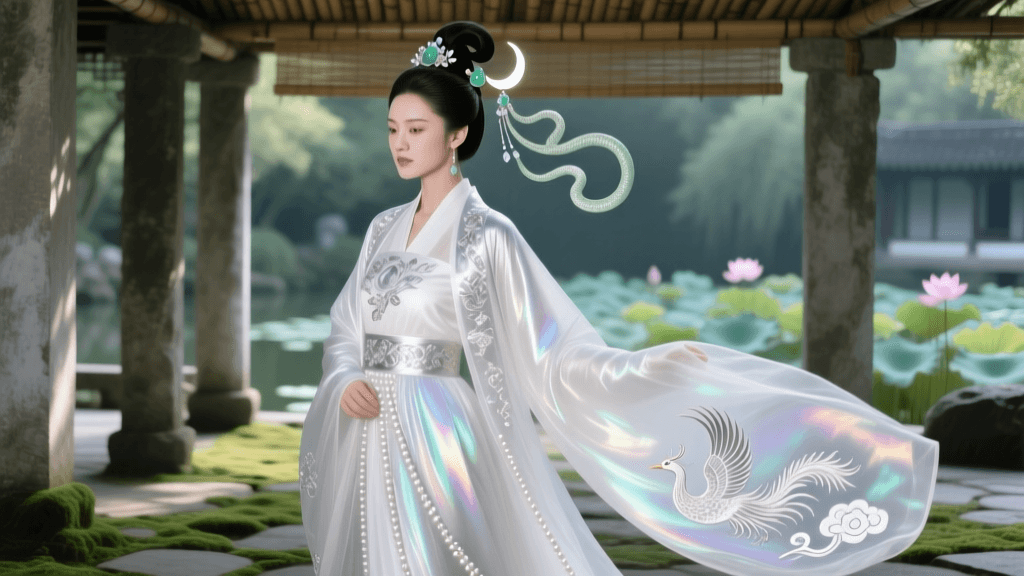
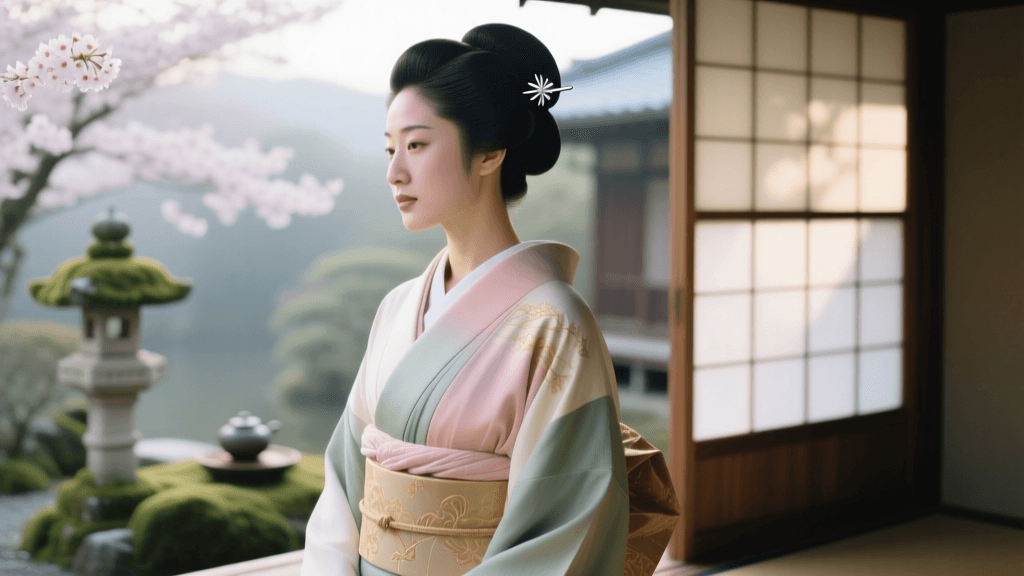
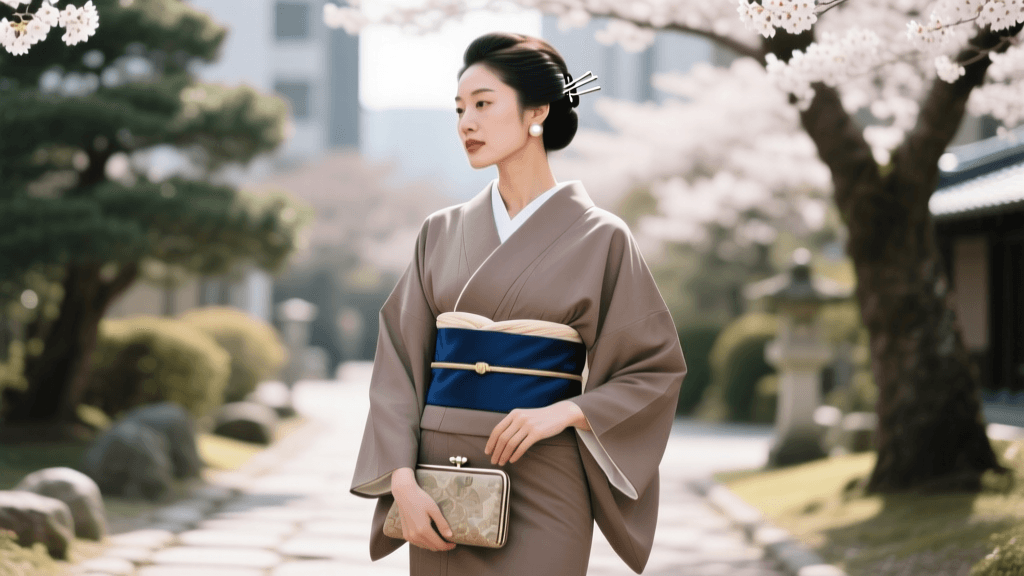
Chinese Haute Couture on Global Runways: A Style Guide
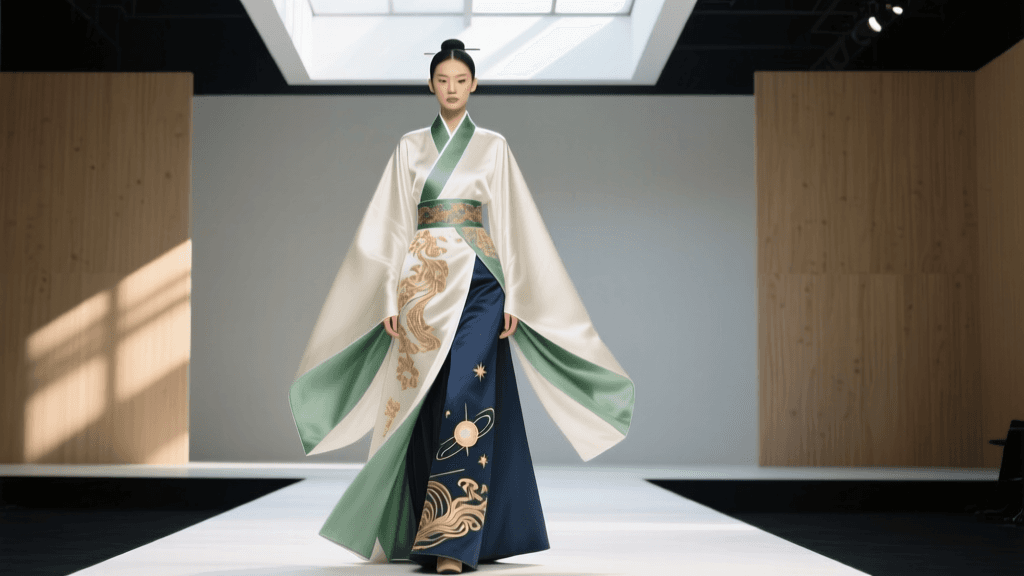
The Evolution of Chinese Motifs in Western Haute Couture
The intersection of traditional Chinese garment construction and Western haute couture represents one of the most dynamic dialogues in modern fashion history. For decades, international runways have drawn inspiration from the rich sartorial heritage of China, utilizing elements such as the mandarin collar, the qipao silhouette, and intricate silk embroidery. However, the translation of these elements from traditional Asian garments to global high fashion has undergone a profound transformation, evolving from superficial exoticism to deep, collaborative appreciation.
Historically, Western interpretations of Chinese dress were often filtered through a lens of theatricality. A prime example is Yves Saint Laurent's seminal 1977 'Chinoiserie' collection, which introduced opulent silk brocades, mandarin jackets, and dragon motifs to the Parisian runway. While groundbreaking for its time, it largely relied on Western tailoring techniques to mimic Eastern aesthetics. The true paradigm shift occurred in the 21st century, as global fashion institutions began to examine the historical and cultural weight of these garments. The landmark 2015 exhibition, China: Through the Looking Glass at The Metropolitan Museum of Art, meticulously documented this evolution, highlighting how Chinese aesthetics have shaped Western fashion design for centuries while paving the way for authentic Chinese voices in the global couture arena.
Guo Pei and the Rise of Authentic Chinese Couture
No discussion of Chinese fashion on the international runway is complete without examining the meteoric rise of Guo Pei. As the first Chinese designer invited to join the prestigious Chambre Syndicale de la Haute Couture in Paris, Guo Pei bridged the gap between ancient Chinese textile traditions and the rigorous standards of Western haute couture. Her work is characterized by monumental silhouettes, thousands of hours of hand-embroidery, and the use of traditional metallic thread work that dates back to the Ming Dynasty.
Her global breakthrough is often attributed to the iconic yellow gown worn by Rihanna at the 2015 Met Gala, a piece that required over 50,000 hours of hand-embroidery and weighed nearly 55 pounds. Institutions worldwide have recognized the significance of her work in elevating traditional Chinese craftsmanship. The Fine Arts Museums of San Francisco hosted a dedicated exhibition showcasing her intricate fusion of Eastern mythology and Western structural tailoring, proving that Chinese couture is not merely an influence on global fashion, but a dominant, standalone pillar of the luxury industry.
Key Elements of Sino-Western Couture
Understanding the distinction between traditional Chinese garments and their Western couture adaptations is crucial for collectors and stylists. The table below outlines how core design elements are translated across cultural boundaries.
| Design Element | Traditional Chinese Garment | Western Haute Couture Adaptation |
|---|---|---|
| Silhouette | Flat, linear, and concealing (Hanfu, early Qipao) | Structured, corseted, emphasizing the waist and bust |
| Fastenings | Pankou (knotted buttons), silk sashes, ties | Hidden zippers, decorative pankou, corset lacing, hooks |
| Embroidery | Suzhou (Su) silk floss, symbolic motifs (dragons, peonies) | Metallic bullion, sequins, abstracted floral motifs, 3D appliqué |
| Fabric | Heavy silk brocade, damask, Xiangyunsha (mud silk) | Silk taffeta, organza, velvet, lace overlays, tulle |
A Practical Guide to Sourcing and Investing in Chinese Couture
For collectors, stylists, and fashion enthusiasts looking to acquire Sino-Western couture, understanding the market tiers, costs, and acquisition timelines is essential. The investment landscape is divided into three primary categories:
- Tier 1: Archival Vintage (e.g., YSL 1977, Dior 1990s). Cost: $5,000 to $25,000 via auction houses like Christie's or specialized vintage dealers. Timing: Requires monitoring auction catalogs 3 to 4 months in advance. Authenticity certificates and provenance documentation are mandatory.
- Tier 2: Established Contemporary Couture (e.g., Guo Pei, Huishan Zhang). Cost: $15,000 to $150,000+ for made-to-measure. Timing: 6 to 9 months lead time for bespoke fittings. These pieces are commissioned directly through the designer's atelier.
- Tier 3: Emerging Sino-Western Designers (e.g., Samuel Guì Yang, Windowsen). Cost: $1,500 to $4,500 for ready-to-wear with couture-level finishes. Timing: Available during standard global fashion week retail cycles (February/March and September/October).
Commissioning and Measurements
When commissioning a bespoke qipao-inspired couture gown, the measurement process is far more rigorous than standard Western evening wear. A master tailor will require a 14-point measurement system. Beyond the standard bust, waist, and hip circumferences, you must provide the 'apex to waist' distance, the 'hollow to hem' measurement, and the exact circumference of the upper arm and bicep. Traditional sleeve constructions, such as the inverted big sleeve, require specific grading to maintain the drape of heavy silk brocade without pulling at the shoulder seams.
Furthermore, buyers must be aware of international shipping regulations. Vintage pieces featuring antique ivory buttons, tortoiseshell inlays, or certain endangered bird feathers used in historical embellishments are subject to strict CITES (Convention on International Trade in Endangered Species) regulations. Always request a material breakdown from the seller before crossing international borders to avoid customs confiscation.
Styling Couture Pieces for Modern Occasions
Integrating heavy, historically inspired Chinese couture into a modern wardrobe requires a balanced approach to styling. The goal is to honor the garment's heritage without appearing costumey. Here are three actionable styling scenarios:
1. The Red Carpet Gala
For high-profile evening events, opt for a floor-length silk brocade gown with a high mandarin collar. To modernize the look, pair it with minimalist, architectural metallic jewelry—such as a sculptural gold cuff or geometric diamond drop earrings. Avoid traditional jade or enamel hairpins, which can push the look into theatrical territory. Instead, opt for a sleek, low chignon or a modern wet-look bob. Footwear should be a pointed-toe stiletto in a complementary metallic shade, avoiding traditional embroidered silk shoes.
2. The Modern Wedding
Many brides are now opting for a 'Qun Kwa' (traditional Cantonese wedding jacket) or a modernized red qipao for their reception or tea ceremony. When styling a heavily embroidered red and gold Qun Kwa, balance the visual weight by keeping the lower half streamlined. Pair the cropped, ornate jacket with a high-waisted, bias-cut silk crepe skirt rather than the traditional stiff A-line skirt. This introduces a fluid, modern movement to the garment. Keep makeup fresh and dewy, utilizing a classic red lip to tie into the garment's auspicious color palette.
3. The High-End Corporate or Art Event
For sophisticated daytime or early evening events, a mid-length Xiangyunsha (mud silk) jacket or a tailored Samuel Guì Yang suit is ideal. Xiangyunsha is renowned for its crisp, paper-like texture and subtle, dark luster. Pair a structured mud silk blazer with wide-leg wool trousers and leather loafers. This juxtaposition of traditional Chinese textile with Western menswear-inspired tailoring creates a powerful, intellectual aesthetic perfect for gallery openings or creative industry summits.
Care and Preservation of Couture Textiles
Investing in Chinese couture also means investing in its preservation. Traditional textiles like Song brocade and Su embroidery are highly sensitive to environmental changes. Storing silk brocade and metallic embroidery requires strict climate control. Keep garments in a dark, temperature-controlled room, ideally maintained at 65°F to 70°F (18°C to 21°C) with a relative humidity of 50%.
Never hang heavy beaded or metallic-embroidered couture pieces on standard hangers, as the sheer weight of the embellishments will distort and eventually snap the delicate silk warp threads over time. Instead, pad the interior of the garment with acid-free tissue paper to prevent hard creases, and store them flat in archival, breathable cotton boxes. If the garment features delicate Pankou (knotted buttons), ensure they are unfastened during storage to prevent the silk loops from stretching or taking on a permanent set. By adhering to these museum-grade preservation techniques, collectors can ensure their Sino-Western couture pieces remain pristine for generations.