Modern Kimono Styling: A Guide to Formal Occasions
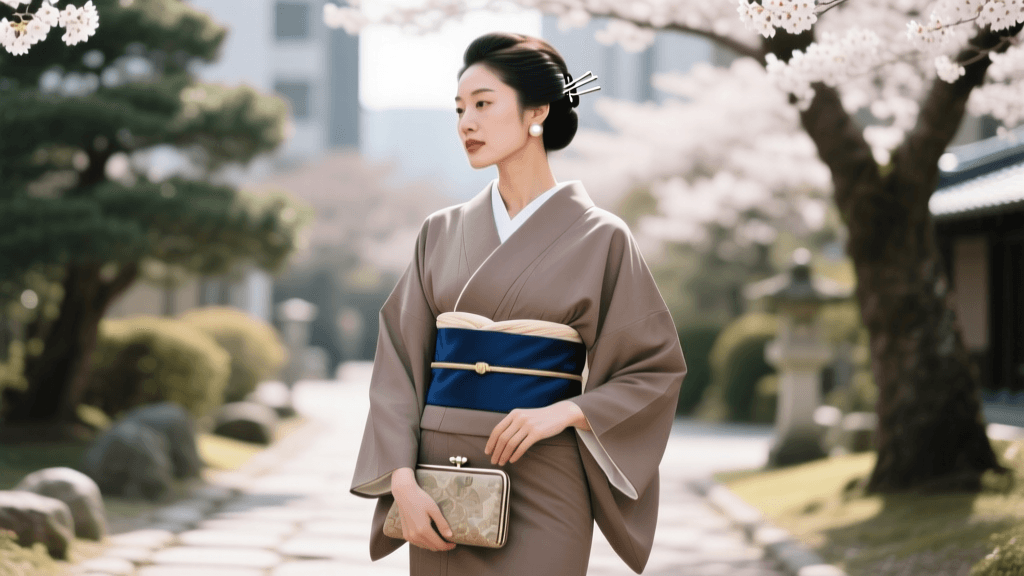
The traditional Japanese kimono has long been celebrated as a masterpiece of textile art and cultural heritage. However, as global fashion evolves, so does the way we wear and perceive this iconic garment. No longer confined strictly to tea ceremonies or coming-of-age rituals, the kimono is experiencing a renaissance in modern formal spaces—from contemporary weddings and international galas to high-fashion red carpets. According to the Victoria and Albert Museum, the kimono has always been a dynamic fashion statement, continuously adapting to the zeitgeist while maintaining its foundational elegance.
Selecting the Right Kimono for Modern Formality
When attending a modern formal event, choosing the appropriate level of formality is crucial. The kimono hierarchy is intricate, but understanding a few key types will ensure you are dressed impeccably for your occasion.
1. Houmongi (Visiting Wear)
The Houmongi is the most versatile formal kimono for married and unmarried women. Characterized by patterns that flow seamlessly across the seams (a technique called eba), it is the quintessential choice for modern weddings, gala dinners, and upscale evening parties.
2. Furisode (Swinging Sleeves)
Reserved traditionally for unmarried women, the Furisode features dramatic, floor-sweeping sleeves. While historically worn for Coming of Age Day, modern styling has seen younger attendees wearing slightly more subdued Furisode to formal evening events, making a bold, avant-garde statement.
3. Tsukesage (Lower Grade Formal)
A step below the Houmongi, the Tsukesage features patterns that do not cross the seams. It is perfect for semi-formal modern occasions, such as theater premieres, upscale dinner parties, or daytime garden weddings.
| Kimono Type | Formality Level | Sleeve Length | Estimated Cost (USD) | Ideal Modern Occasion |
|---|---|---|---|---|
| Houmongi | High Formal | Standard (approx. 50cm) | $200 - $3,000+ | Evening Galas, Weddings (Guest) |
| Furisode | Highest Formal (Unmarried) | Long (100cm+) | $300 - $5,000+ | Red Carpet, High-Fashion Events |
| Tsukesage | Semi-Formal | Standard (approx. 50cm) | $150 - $1,500 | Theater, Upscale Dinners, Daytime Weddings |
| Komon | Casual / Everyday | Standard | $50 - $500 | Cocktail Parties (if styled with formal Obi) |
Modernizing the Silhouette: Styling and Accessories
Styling a kimono for a contemporary event requires a delicate balance between respecting tradition and embracing modern aesthetics. The BBC Culture notes that the global adoption of the kimono has led to innovative styling techniques that honor its roots while pushing sartorial boundaries.
The Obi: The Focal Point of Modern Styling
For formal modern events, the Fukuro Obi (a fully patterned, double-width sash) is the gold standard. While traditional Taiko Musubi (drum knot) remains the most elegant and mature choice, modern stylists often incorporate metallic threads, vintage brocades, or even subtle Swarovski crystal Obidome (sash clips) to catch the light in dimly lit gala venues.
Color Blocking with Obiage and Obijime
The Obiage (sash scarf) and Obijime (decorative cord) offer a canvas for modern color blocking. Instead of matching these accessories perfectly to the kimono, contemporary fashion dictates using complementary or contrasting colors. For example, pairing a deep navy silk Houmongi with a vibrant magenta Obijime creates a striking, fashion-forward silhouette that photographs beautifully on red carpets.
Footwear: Zori vs. Modern Alternatives
Traditionally, formal kimono are paired with Zori (sandals) and Tabi (split-toe socks). For modern events, opt for high-end vinyl or brocade Zori with a slightly elevated heel (around 5cm). While some avant-garde fashionistas attempt to pair kimono with Western stiletto heels, this is generally discouraged as it alters the traditional posture and stride required to carry the garment gracefully. Stick to modern, cushioned Tabi and elegant Zori to maintain comfort during long galas.
Hair, Makeup, and the Modern Aesthetic
Traditional shimada wigs are outdated for modern events and can make the wearer look like they are in a period drama. Instead, opt for sleek, modern updos such as low chignons or twisted buns. The key is to keep the hair off the neck to highlight the eri-nuki (the elegant dip of the collar at the nape). For makeup, a bold, matte red lip paired with minimal, glowing skin and subtle eye makeup bridges the gap between geisha tradition and modern high-fashion editorial looks, ensuring you look sophisticated rather than costumed.
Practical Guide: Sizing, Rentals, and Purchasing
Acquiring a kimono for a specific event requires foresight. According to the Japan National Tourism Organization (JNTO), the kimono rental and retail industry is highly structured, and planning ahead is essential, especially during peak wedding seasons in spring and autumn.
Understanding Sizing and the Ohashori
Unlike Western garments, kimono are generally made in standard lengths and adjusted to the wearer using the Ohashori—a fold at the waist. To find your ideal length, measure your height and subtract roughly 20 to 30 centimeters. If you are purchasing vintage, look for listings that provide the exact back length (from the base of the collar to the hem). If the garment is too short, the Ohashori will be invisible, which is considered a faux pas in formal settings.
Renting vs. Buying: Costs and Timelines
- Renting: Ideal for one-off events. High-end formal rental packages (including kimono, obi, accessories, and dressing service) typically range from $200 to $450. Timeline: Book 4 to 6 months in advance for spring (cherry blossom) or autumn (maple) seasons.
- Buying Vintage: An excellent, sustainable option. Authentic silk Houmongi can be found on reputable online vintage markets for $150 to $500. Timeline: Allow 1 to 2 months for shipping, dry cleaning, and sourcing matching accessories.
- Buying New (Custom): For bespoke silk garments, costs start around $2,500 and can exceed $10,000 for hand-painted Yuzen silk. Timeline: Requires 6 to 12 months for weaving, dyeing, and tailoring.
Navigating Cultural Etiquette in Contemporary Spaces
While modern styling encourages creativity, certain foundational rules of kimono etiquette must never be compromised, particularly at formal events.
The Golden Rule: Always wrap the left side of the kimono over the right. Wrapping right over left is strictly reserved for dressing the deceased for burial. This rule applies universally, regardless of gender or the modernity of the event.
Seasonality in the Modern Era
Traditional Japanese aesthetics are deeply tied to the seasons. Wearing cherry blossom motifs in October or autumn leaves in April can be seen as a misstep. However, modern fashion allows for 'season-adjacent' styling. Wearing early-blooming plum blossom motifs in late winter, or abstract, geometric patterns that are considered musai (seasonless), are excellent choices for international events where strict adherence to Japanese micro-seasons may not be feasible.
Step-by-Step: Getting Ready for a Modern Gala
- The Foundation: Begin with a Kimono Bra or specialized padding to flatten the bust and create the traditional cylindrical silhouette. This prevents the obi from sitting awkwardly and ensures the collar lies flat against the collarbone.
- The Juban: Put on the Nagajuban (under-kimono). Ensure the collar is pulled back slightly at the nape of the neck, exposing about two fingers' width of skin. This is considered highly elegant and is essential for formal wear.
- Draping the Kimono: Wrap the kimono, ensuring the left over right rule. Align the back seam perfectly with the center of your spine.
- The Ohashori: Tie the Koshihimo (waist ties) and fold the excess fabric down to create a neat, level Ohashori. Use an Ohashori Belt to keep the fold perfectly straight across the back.
- The Obi: Wrap the Fukuro obi, tie the Taiko musubi (or use a pre-tied formal obi for convenience), and secure with the Obijime and Obiage.
Conclusion
Styling a kimono for modern formal occasions is an exercise in harmonizing centuries of tradition with contemporary elegance. By understanding the nuances of formality, embracing modern color-blocking techniques, and respecting the garment's foundational etiquette, you can transform the kimono into a breathtaking statement piece fit for any global gala, wedding, or red-carpet event.