Sourcing Chinese Couture Textiles For Bespoke Runway Fashion
The Global Runway's Obsession with Chinese Heritage Textiles
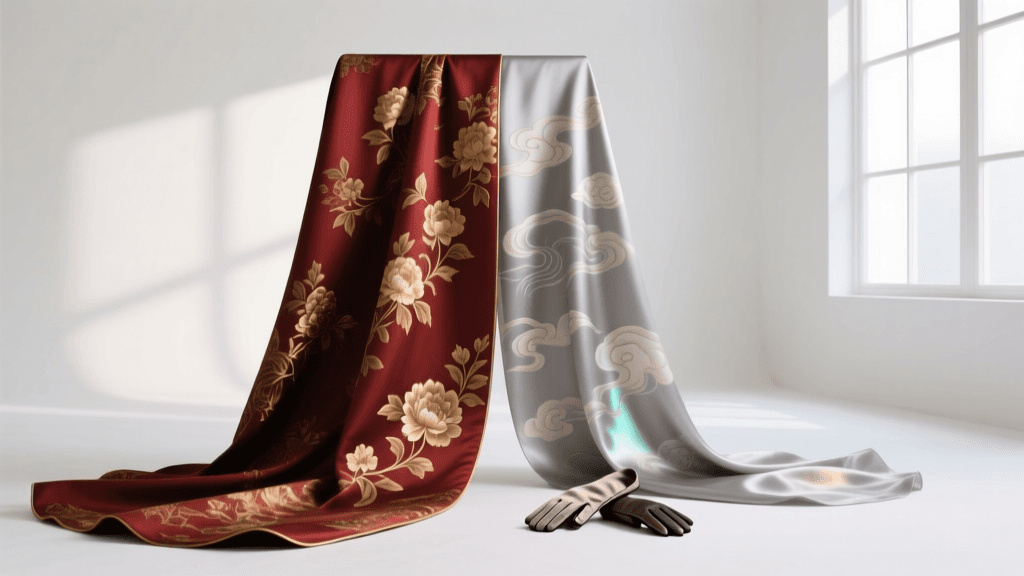
Over the past decade, the intersection of traditional Chinese craftsmanship and international haute couture has evolved from mere aesthetic appropriation to a deep, technical reverence for heritage textiles. The Metropolitan Museum of Art's landmark exhibition, China: Through the Looking Glass, highlighted how deeply Chinese aesthetics and material cultures have permeated Western luxury fashion. However, modern bespoke designers and independent couture houses are moving beyond surface-level motifs. They are now directly sourcing authentic, historically significant Chinese fabrics to construct garments that rival the technical mastery of Parisian haute couture.
For independent designers, private collectors, and bespoke tailors, integrating these textiles into a modern wardrobe requires a nuanced understanding of their structural properties, sourcing channels, and tailoring requirements. This guide provides actionable intelligence on acquiring and constructing with China's most prestigious runway-ready heritage fabrics.
The Big Three: Runway-Ready Heritage Fabrics
To build a couture-level collection rooted in Asian traditions, designers must look beyond standard mulberry silk and explore specialized, region-specific textiles. The following three fabrics dominate the upper echelons of Chinese-inspired luxury fashion.
1. Xiangyunsha (Gambiered Canton Gauze)
Often referred to as 'mud silk' or 'soft gold,' Xiangyunsha is a highly specialized silk fabric originating from the Shunde district of Foshan, Guangdong. The fabric undergoes a grueling 13-step dyeing process using the juice of the Dioscorea cirrhosa (a type of yam) and iron-rich river mud. The chemical reaction between the tannins in the yam juice and the iron in the mud creates a distinctive dual-tone finish: a glossy, dark brown or black face, and a matte, earthy ochre reverse.
Because the sun-drying process requires intense heat and specific humidity levels, Xiangyunsha can only be produced between May and October. Recognized for its complex ecological and chemical processes, traditional silk craftsmanship is safeguarded as intangible cultural heritage, as noted by UNESCO's official registry. On the runway, its crisp hand, natural water resistance, and unique acoustic 'rustle' make it ideal for structured, avant-garde silhouettes and fluid bias-cut gowns.
2. Song Brocade (Songjin)
Originating from Suzhou, Song Brocade dates back to the Song Dynasty (960-1279 AD). Unlike the flamboyant, high-relief patterns of Shu brocade, Songjin is characterized by its flat, geometric, and highly structured weave. It utilizes a complex double-warp technique, often incorporating metallic threads (gold or silver foil wrapped around silk cores) to create subtle, luminous patterns.
According to the Metropolitan Museum of Art's Heilbrunn Timeline of Art History, the structural integrity and luster of Chinese silk have made it a cornerstone of global luxury trade for millennia. Song Brocade's inherent stiffness and architectural drape make it the premier choice for couture tailoring, particularly for structured blazers, corsetry, and A-line skirts that require the fabric to hold its shape without heavy interfacing.
3. Su Embroidery on Silk Organza
Su embroidery (Suzhou embroidery) is renowned for its microscopic precision. Master artisans split a single silk thread into as many as 48 finer strands, allowing for gradients and shading that mimic traditional ink wash paintings. For international couture, Su embroidery is frequently commissioned on ultra-sheer silk organza, creating a 'floating' motif effect. This technique is heavily utilized in bridal couture and evening wear, where the transparency of the base fabric allows the embroidery to interact dynamically with the wearer's skin tone.
Sourcing Guide: Costs, Lead Times, and Suppliers
Sourcing authentic heritage textiles requires bypassing standard commercial fabric districts and connecting directly with regional weaving cooperatives and specialized heritage looms. Below is a structured comparison chart to help designers plan their production calendars and budgets.
| Textile Type | Origin Region | Avg. Cost (USD/m) | Loom Width | Lead Time | Best Couture Application |
|---|---|---|---|---|---|
| Xiangyunsha (Mud Silk) | Foshan, Guangdong | $80 - $180 | 70cm - 90cm | 3 - 6 Months | Bias-cut gowns, fluid draping, trench coats |
| Song Brocade (Songjin) | Suzhou, Jiangsu | $120 - $300 | 70cm - 114cm | 2 - 4 Months | Structured blazers, corsetry, architectural skirts |
| Hand-done Su Embroidery | Suzhou, Jiangsu | $500 - $2,500+ | Custom Panel | 6 - 12 Months | Bodices, sheer overlays panels, evening wear |
| Zhangzhou Velvet (Zhangrong) | Zhangzhou, Fujian | $90 - $150 | 114cm | 1 - 2 Months | Winter outerwear, draped evening jackets |
Actionable Sourcing Tips:
- For Xiangyunsha: Contact the Foshan Shunde Xiangyunsha Heritage Protection Base. Be prepared to order a minimum of 50 meters, as artisanal dyeing runs are done in large batches.
- For Song Brocade: The Suzhou Silk Museum's affiliated weaving workshops offer custom jacquard punch-card programming for independent designers, allowing you to create bespoke geometric patterns for a setup fee of approximately $1,500 to $3,000.
- For Su Embroidery: Do not purchase pre-embroidered yardage for couture. Instead, commission 'embroidery panels' mapped exactly to your digital sewing patterns. This prevents cutting through crucial motifs and reduces the exorbitant cost of embroidering unused fabric.
Construction and Tailoring Specifications
Working with heritage Chinese textiles requires specialized atelier techniques. Standard sewing machine settings will damage these delicate or highly structured fibers.
Needle and Thread Selection
For Xiangyunsha and tightly woven Song Brocade, use Microtex (sharp) needles in sizes 60/8 or 70/10. The sharp point pierces the dense weave cleanly without pushing the metallic threads out of alignment. Always use 100% silk thread or high-grade mercerized cotton; polyester thread will cut through the natural silk fibers over time due to friction.
Seam Finishes and Interfacing
Never use fusible interfacing on Xiangyunsha or Song Brocade. The heat and adhesive will permanently ruin the fabric's hand and acoustic properties.
Instead, utilize sew-in interfacings. For Song Brocade, use a lightweight silk organza as a backing to stabilize the fabric for tailored jackets. For seam finishes, French seams are mandatory for Xiangyunsha to prevent the raw edges from fraying and to maintain a clean interior. For heavier brocades, bind the raw edges with bias-cut strips of silk habotai.
Pressing Techniques
Heritage silks are highly sensitive to heat and moisture. Always use a dry iron set to the 'Silk' setting. When pressing seams on Song Brocade, use a wooden clapper to flatten the seams without crushing the metallic threads. Never use steam directly on Xiangyunsha, as water spots can permanently alter the mud-dye finish, leaving irreversible white marks.
Integrating Heritage into Modern Silhouettes
The true mark of modern couture is the seamless blending of historical textiles with contemporary pattern drafting. Here are three actionable ways to integrate these fabrics into a modern bespoke wardrobe:
- The Architectural Blazer: Use Song Brocade for a sharp, single-breasted blazer. Because the fabric has natural body, you can eliminate the heavy chest canvas typically used in Western tailoring, resulting in a lightweight, unstructured jacket that still holds a razor-sharp lapel.
- The Bias-Cut Slip Dress: Xiangyunsha is notoriously difficult to cut on the bias due to its crisp hand, but when done correctly, it yields a slip dress that skims the body without clinging. Cut the fabric at a true 45-degree angle and let it hang on a padded dress form for 48 hours before hemming to allow the fibers to relax and drop.
- The Sheer Overlay Trench: Commission Su embroidery on silk organza and construct a floor-length, sheer trench coat. Line the sleeves and bodice with nude silk charmeuse, leaving the lower half completely transparent to showcase the intricate needlework over the wearer's trousers or gown.
Conclusion
Sourcing and constructing with traditional Chinese couture textiles is an exercise in patience, technical precision, and deep cultural respect. By understanding the specific regional origins, chemical dyeing processes, and tailoring requirements of fabrics like Xiangyunsha and Song Brocade, independent designers and bespoke tailors can create garments that transcend seasonal trends. These heritage textiles offer a level of material luxury and historical continuity that synthetic, mass-produced runway fabrics simply cannot replicate, ensuring your bespoke creations remain timeless masterpieces of global fashion.