Children's Hanfu and Tang Suits: A Parent's Sizing Guide
The Rise of Children's Traditional Chinese Clothing
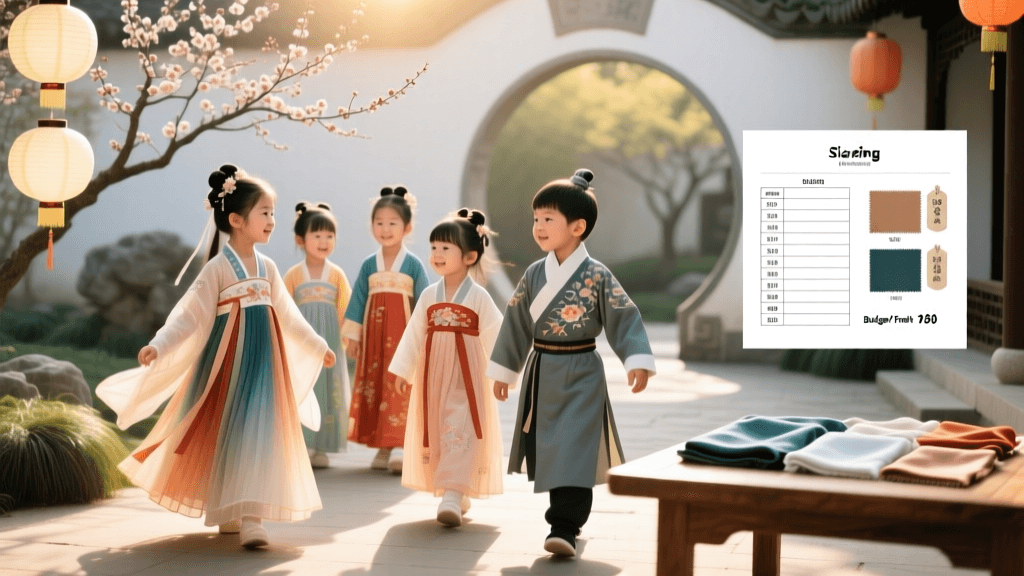
The global revival of traditional Chinese clothing is no longer just an adult affair. Over the past decade, the Hanfu movement has swept across generations, with parents increasingly seeking out authentic, high-quality traditional garments for their children. Whether for Lunar New Year family portraits, Mid-Autumn Festival celebrations, or cultural school events, dressing children in Hanfu (pre-Qing dynasty attire) or Tang suits (Qing-era inspired jackets) connects them to their heritage in a tangible, beautiful way.
However, shopping for children's traditional Asian garments presents unique challenges. Unlike modern Western children's clothing, traditional Chinese garments rely on different sizing metrics, fabric care requirements, and structural designs. According to industry reports covered by China Daily, the Hanfu market has expanded exponentially, with a significant sub-sector dedicated to children's ceremonial and everyday wear. This guide provides parents with actionable advice on sizing, fabric selection, and practical styling for kids.
Hanfu vs. Tang Suits: Which is Right for Your Child?
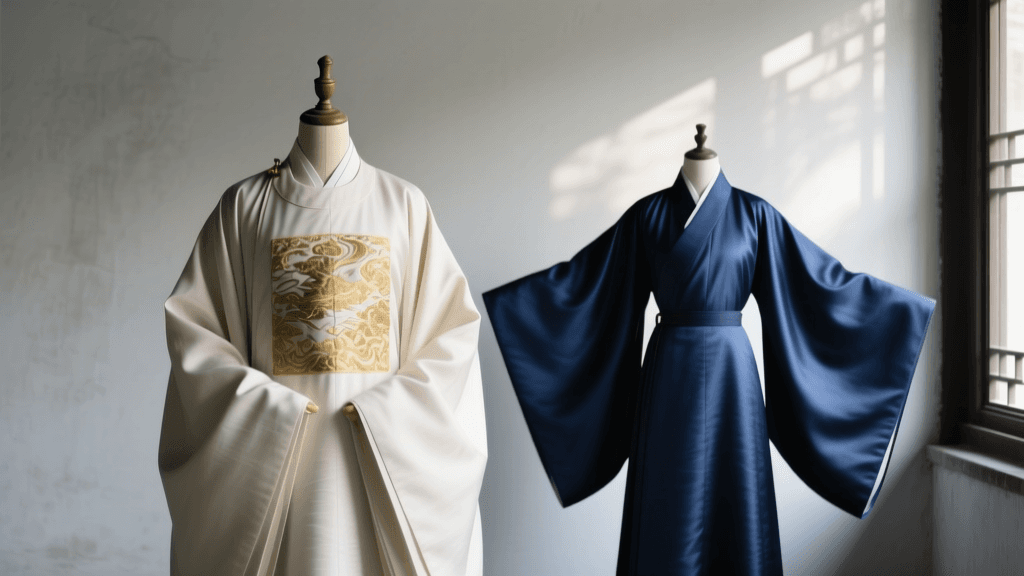
Before taking out the measuring tape, it is essential to understand the difference between the two most popular styles of traditional Chinese children's clothing. While both are culturally significant, they serve different purposes and offer varying levels of comfort for active kids.
| Feature | Hanfu (e.g., Ruqun, Beizi) | Tang Suit (Tangzhuang) |
|---|---|---|
| Historical Era | Pre-Qing (Tang, Song, Ming Dynasties) | Qing Dynasty to Modern Era |
| Design Elements | Cross-collars, flowing sleeves, sash ties | Mandarin collars, frog buttons, structured fit |
| Comfort & Mobility | High (loose, flowing, breathable) | Moderate (more structured, can restrict arms) |
| Best Occasion | Photoshoots, cultural festivals, temple fairs | Lunar New Year dinners, formal family gatherings |
| Typical Price Range | $30 - $120 USD | $20 - $60 USD |
For toddlers and highly active children, a Song-dynasty style Beizi (a lightweight, open-front jacket worn over a simple dress or pants) is an excellent Hanfu choice. It allows for easy movement and bathroom breaks. For formal family dinners where kids will be mostly seated, a padded winter Tang suit is a classic, festive option.
How to Measure Your Child for Traditional Garments
Traditional Chinese clothing manufacturers rarely use standard age-based sizing (like '2T' or '4T'). Instead, they use a height-based metric system, typically measured in centimeters. As noted in cultural lifestyle features by Sixth Tone, the modern Hanfu industry relies heavily on precise garment measurements to ensure the cross-collars and sashes sit correctly on the body.
The 3-Point Measuring Method
- Total Height (cm): Have your child stand barefoot against a wall. Measure from the floor to the top of their head. This is the primary number you will use when browsing online stores (e.g., Size 110, Size 120).
- Chest Circumference: Measure around the fullest part of the chest. Because Hanfu wraps and overlaps (the jiaoling youren cross-collar), you must add at least 10-15 cm to the actual chest measurement to ensure the garment closes comfortably without gaping.
- Skirt/Pant Length: For Hanfu skirts (qun), measure from the natural waist (just above the belly button) down to the ankle bone. Traditional skirts should not drag on the ground to prevent tripping.
Children's Hanfu Sizing Chart
Use the following chart as a baseline when shopping on platforms like Taobao, AliExpress, or specialized Hanfu boutiques. Always size up if your child is between measurements, as traditional garments are designed to be worn with a relaxed, oversized fit.
| Garment Size | Child's Height (cm) | Approx. Age | Chest (cm) | Skirt Length (cm) |
|---|---|---|---|---|
| 90 | 85 - 95 | 2 - 3 Years | 52 - 56 | 45 - 50 |
| 100 | 95 - 105 | 3 - 4 Years | 56 - 60 | 55 - 60 |
| 110 | 105 - 115 | 5 - 6 Years | 60 - 64 | 65 - 70 |
| 120 | 115 - 125 | 7 - 8 Years | 64 - 68 | 75 - 80 |
| 130 | 125 - 135 | 9 - 10 Years | 68 - 72 | 85 - 90 |
| 140 | 135 - 145 | 11 - 12 Years | 72 - 76 | 95 - 100 |
Fabric Choices for Sensitive Skin and Active Play
Children's skin is highly sensitive, and traditional festival clothing is often made from stiff brocades, heavy silks, or synthetic polyesters that can cause chafing and overheating. When buying children's Hanfu or Tang suits, always check the inner lining and base fabric.
- Inner Layers (Zhongyi): The undergarment or inner shirt must be 100% cotton or bamboo viscose. These materials wick moisture and prevent the outer collar from scratching the neck.
- Summer Outer Layers: Look for cotton-linen blends or soft chiffon. Ramie is a historically accurate, highly breathable fabric used in summer Hanfu, but it can be slightly coarse; ensure it is pre-washed and softened.
- Winter Outer Layers: For Lunar New Year, velvet-lined cotton or soft faux-fur trims on Ming-dynasty style Pifeng (cloaks) provide warmth without the heavy, restrictive nature of traditional silk brocade.
Safety Note: If purchasing from domestic Chinese brands, look for compliance with the GB 31701-2015 national safety standard for children's textiles, which strictly regulates formaldehyde levels, pH values, and the use of small, detachable choking hazards like decorative beads.
Practicality: Bathrooms, Shoes, and Accessories
The most common complaint from parents regarding children's Hanfu is the logistics of bathroom breaks and playground safety. Here is how to navigate these practical hurdles.
The Bathroom Dilemma: Skirts vs. Pants
For young girls, the Mamianqun (horse-face skirt) is incredibly popular but can be a nightmare for toddlers in the restroom. Actionable Tip: For children under the age of 7, opt for a Ruqun (a high-waisted blouse and skirt combo) where the skirt can be easily hiked up, or choose Song-style Ku (traditional wide-leg trousers) paired with a long tunic. Many modern children's Hanfu brands now incorporate hidden elastic waistbands and velcro closures instead of traditional fabric ties, which are difficult for small hands to undo.
Footwear: Tradition Meets Comfort
While embroidered cloth shoes (Xiuhua Xie) look adorable, they lack the arch support and slip-resistance needed for active kids.
- For Toddlers: Traditional tiger-head shoes (Hutou Xie) are culturally significant for warding off evil spirits and are usually soft-soled, perfect for indoor wear or stroller rides.
- For Older Kids: Pair their Hanfu with modern, clean white sneakers or leather Mary Janes. The hem of the skirt will usually cover the shoes, and the contrast is widely accepted in the modern Hanfu community as a practical styling choice.
Hair Accessories and Safety
Avoid sharp metal hairpins (Zan) for children under 10. Instead, use soft silk ribbon ties, velvet scrunchies in traditional colors (crimson, jade green, or marigold), or clip-in floral crowns. For boys, a simple traditional topknot wrap using a soft fabric band is safer and more comfortable than rigid wooden crowns.
Budgeting and Styling for Festivals
You do not need to spend a fortune to dress your child beautifully. Because children grow rapidly, investing in a $200 ceremonial Ming-dynasty set is rarely practical. Instead, allocate a budget of $40 to $80 for a versatile, high-quality everyday set.
As highlighted in cultural guides on Chinese festival traditions, wearing new, brightly colored clothing during the Lunar New Year symbolizes a fresh start and wards off bad luck. Red, gold, and vibrant pinks are the most auspicious colors for children during the Spring Festival. For the Mid-Autumn Festival, cooler tones like celestial blue, soft white, and jade green reflect the elegance of the moon and are perfect for evening lantern-lit photoshoots.
Final Thoughts for Parents
Dressing your child in traditional Chinese clothing is a beautiful way to foster cultural pride and create lasting family memories. By prioritizing height-based sizing, selecting skin-friendly fabrics, and adapting traditional silhouettes for modern childhood practicality, you can ensure your child looks authentic and feels completely comfortable. Whether they are holding a sugar gourd at a temple fair or handing out oranges to grandparents, the right Hanfu or Tang suit will make the occasion truly unforgettable.