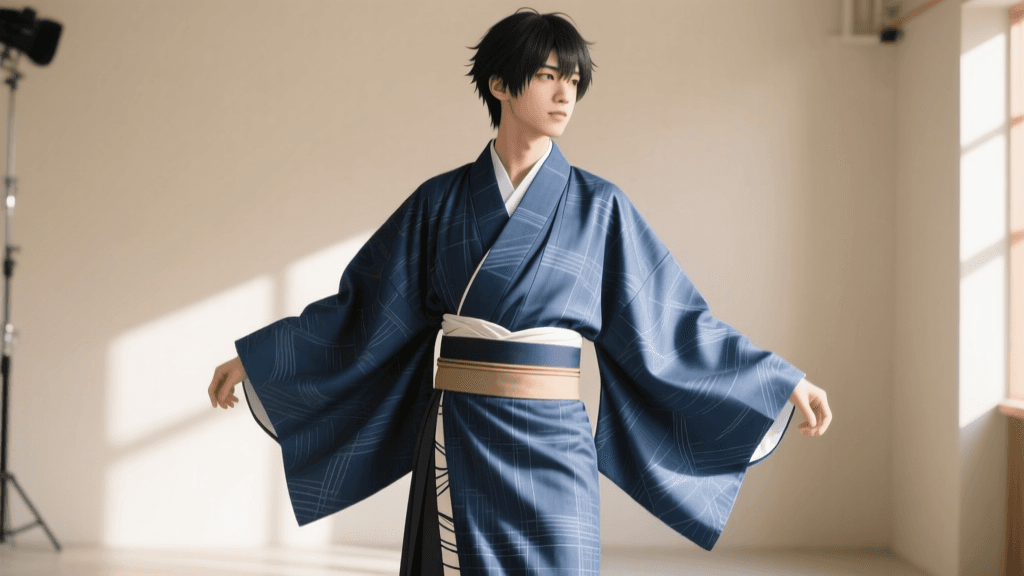
The Ultimate Guide to Kimono Accessories: Obi, Zori, and Geta
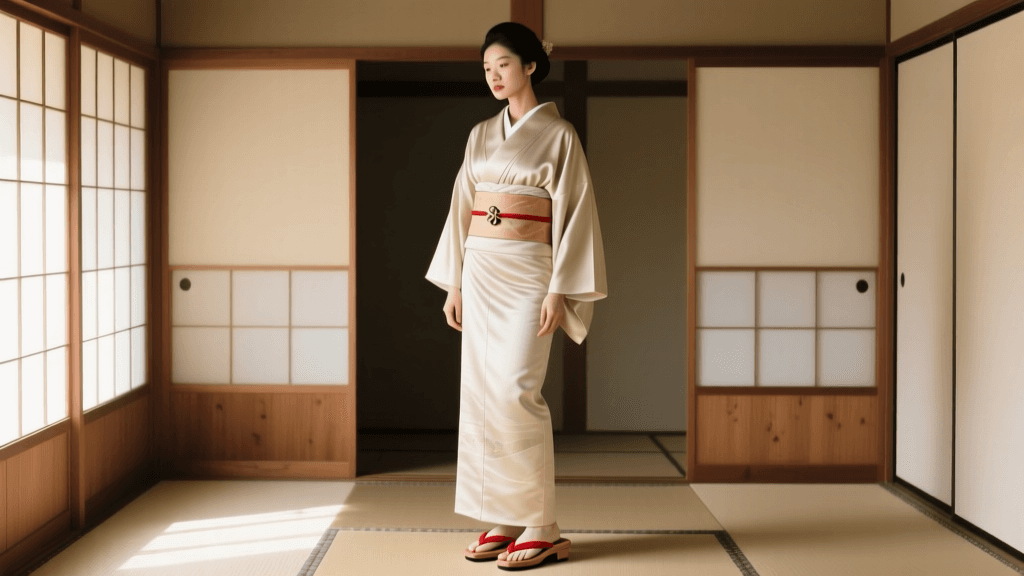
The Foundation of Kitsuke: Understanding the Obi
The art of kitsuke (kimono dressing) is an intricate dance of layers, folds, and ties. While the kimono itself is the canvas, the accessories provide the structure, formality, and seasonal context. According to the Victoria and Albert Museum, the evolution of the obi from a narrow cord in the Edo period to the wide, ornate sashes seen today reflects centuries of shifting fashion and social status in Japan. Understanding your obi is the first step to mastering kimono accessories.
Types of Obi and Their Uses
Choosing the right obi depends entirely on the formality of the kimono and the age/marital status of the wearer. Here is a practical breakdown of the most common types:
- Fukuro Obi (袋帯): The most formal obi for women. It is fully patterned on one side and plain on the back. Measurements: Approximately 31 cm wide and 420 to 450 cm long. Best for: Furisode, Kurotomesode, and Irotomesode. Cost: $300 to $1,500+ for new silk; $50 to $150 for vintage.
- Nagoya Obi (名古屋帯): The workhorse of the modern kimono wardrobe. It is pre-folded and stitched along part of its length to make tying the popular otaiko (drum) knot easier. Measurements: Approximately 30 cm wide and 360 cm long. Best for: Homongi, Tsukesage, and high-end Komon. Cost: $150 to $600 new; $30 to $80 vintage.
- Hanhaba Obi (半幅帯): A casual, half-width obi that requires no stiffeners (obi-ita) and is tied in simple bows. Measurements: 15 cm wide and 360 cm long. Best for: Yukata and casual wool or cotton kimono. Cost: $20 to $80.
Obijime and Obiage: The Unsung Heroes
You cannot tie a formal obi without its supporting cast. The obijime is a braided silk cord (usually about 150 cm long and 1 cm thick) that secures the obi knot in place. The obiage is a silk crepe scarf (roughly 30 x 130 cm) that tucks into the top of the obi, hiding the obi-makura (pillow) used to give the knot its volume.
Styling Tip: For formal wear, the obijime should contrast subtly with the obi but harmonize with the kimono. For a modern twist highlighted in contemporary fashion exhibits like The Metropolitan Museum of Art's Kimono Style exhibition, vintage obijime with metallic threads or glass beads are increasingly popular for adding a touch of personalized glamour to traditional ensembles.
Footwear Fundamentals: Zori vs. Geta
Kimono footwear is broadly categorized into zori and geta. Unlike Western shoes, traditional Japanese footwear does not differentiate between left and right, and the sizing is strictly based on the length of the foot in centimeters. The hanao (the V-shaped thong) is positioned so the big toe and second toe grip it securely.
Comparison Chart: Zori vs. Geta
| Feature | Zori (草履) | Geta (下駄) |
|---|---|---|
| Formality | Semi-formal to highly formal | Casual to semi-formal |
| Base Material | Cork, leather, vinyl, or brocade-covered | Solid wood (usually Paulownia/Kiri) |
| Sole Height | 3 cm to 6 cm (wedge or flat) | 4 cm to 10 cm (elevated on wooden 'teeth') |
| Hanao (Thong) | Velvet, silk, or vinyl (narrow and delicate) | Cotton, velvet, or leather (wider and sturdier) |
| Seasonality | Year-round (material dictates season) | Year-round (bare feet with tabi in summer) |
| Sound | Silent or soft tap | Distinctive 'clack-clack' (karankoron) |
The Sizing Secret: The Heel Overhang Rule
When buying zori or geta, Westerners often make the mistake of buying a size too large, assuming their heel should be fully supported. In traditional kitsuke, it is correct for the heel to overhang the back of the sole by 0.5 to 1 cm. This intentional overhang prevents the wearer from accidentally stepping on and soiling the back hem of the kimono while walking. Always measure your foot from heel to toe in centimeters and buy the exact size or the closest size down.
Sourcing and Sizing: Practical Buying Guide
Whether you are shopping in Kyoto or online, knowing the standard sizing and cost expectations will save you time and money. The Japan National Tourism Organization frequently recommends engaging with local artisans for bespoke fittings, but understanding the baseline metrics is crucial for international buyers.
Standard Footwear Sizing (Women's)
- Size S: 22.0 cm – 23.0 cm
- Size M: 23.5 cm – 24.5 cm
- Size L: 25.0 cm – 26.0 cm
- Size LL: 26.5 cm – 27.5 cm
Hanao Replacement and Maintenance
The hanao (thongs) are the first part of zori and geta to wear out. Fortunately, they are designed to be replaced. A professional cobbler in Japan or a specialized kimono shop can replace a hanao for approximately $30 to $50 USD. When replacing them, you can customize the color. For formal zori, white or gold hanao are standard. For casual geta, bold colors like crimson, mustard, or patterned cotton are excellent choices.
Seasonal Coordination Rules
Japanese traditional dress is deeply tied to the seasons. Your accessories must reflect the current month, often anticipating the season slightly ahead of time.
- Spring (March - May): Opt for pastel-colored obiage with cherry blossom motifs. Zori should be covered in light brocade or soft leather. Obijime can feature subtle floral braiding.
- Summer (June - August): This is the season for ro and sha (sheer woven) kimono. Accessories must look cool. Use a rattan or bamboo-core zori. The obiage should be a sheer silk organza, and the obijime should be a thin, tightly woven cord to minimize visual weight and physical heat.
- Autumn (September - November): Transition to richer tones like burgundy, mustard, and deep green. Nagoya obi with woven geometric or autumn leaf patterns are ideal. Leather or cork-soled zori provide a grounded, earthy aesthetic.
- Winter (December - February): Formal winter wear requires heavy brocade Fukuro obi. The obiage should be a thick, warm silk crepe (chirimen) in deep reds or purples. Zori should be covered in heavy, plush brocade or velvet to match the visual warmth of the layered kimono.
Final Thoughts on Building Your Collection
Building a collection of kimono accessories is a journey of curating textures, colors, and historical craftsmanship. Start with a versatile Nagoya obi in a neutral tone like gold, silver, or soft grey, which can bridge the gap between casual and semi-formal wear. Invest in a high-quality pair of leather-soled zori with replaceable hanao, as they will outlast cheap vinyl alternatives and mold to your foot over time. By respecting the measurements, formality rules, and seasonal nuances of these accessories, you honor the deep cultural heritage woven into every thread and carved into every wooden sole.