Modern Qipao Styling: Evolution, Tailoring, and Everyday Wear
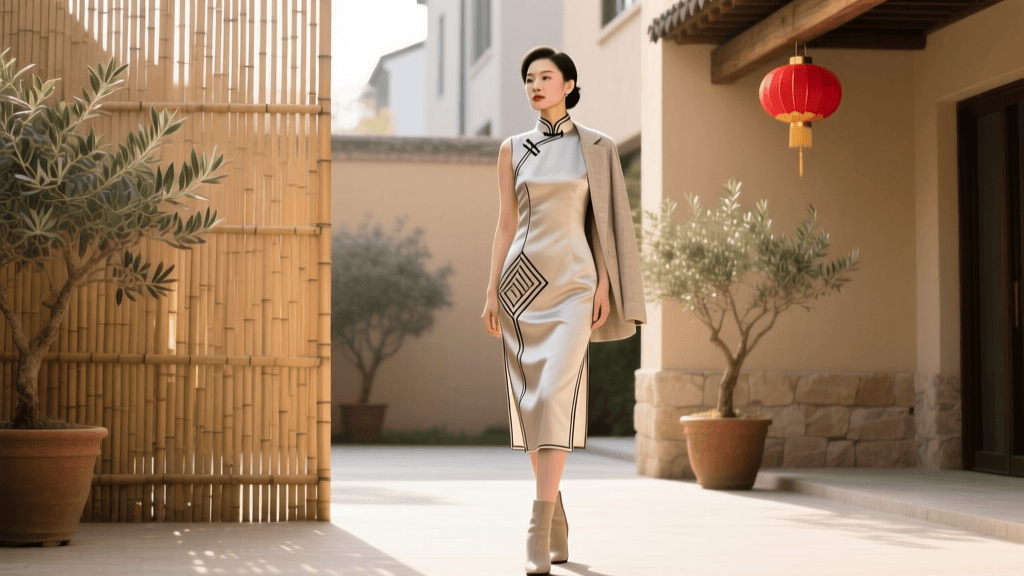
The qipao, also widely known as the cheongsam, is arguably the most globally recognized garment in Chinese fashion history. Once a symbol of aristocratic modesty and later the epitome of 1920s Shanghai glamour, the qipao has undergone a radical transformation in the 21st century. Today, it is no longer reserved solely for weddings, Lunar New Year celebrations, or diplomatic banquets. The modern qipao has been reclaimed by contemporary designers and everyday fashion enthusiasts as a versatile, empowering piece of daily wear.
The Evolution of the Qipao: From Qing Dynasty to Modern Runways
To understand how to style the qipao today, one must first appreciate its fluid history. The garment originated as a loose, A-line robe worn by Manchu women during the Qing Dynasty (1644–1912), designed to conceal the figure and denote ethnic identity. According to the Victoria and Albert Museum, the radical shift occurred in the 1920s and 1930s in Shanghai. Influenced by Western tailoring and the feminist movements of the era, the garment was cinched at the waist, shortened in length, and fitted with high slits, transforming into the figure-hugging silhouette we recognize today.
In recent years, a new wave of designers has pushed the boundaries even further. As noted by the South China Morning Post, contemporary Chinese fashion is experiencing a "guochao" (national trend) renaissance, where heritage garments are blended with streetwear, avant-garde cuts, and unconventional textiles. The modern qipao is now characterized by asymmetrical hems, detachable collars, and innovative fabric choices that prioritize comfort without sacrificing cultural resonance.
Deconstructing the Modern Cheongsam: Fabrics, Cuts, and Costs
The transition from formalwear to everyday staple relies heavily on fabric innovation and structural relaxation. While traditional qipaos rely on heavy silk brocades and intricate embroidery, modern iterations favor breathable, low-maintenance textiles.
| Feature | Traditional Qipao | Modern Cheongsam |
|---|---|---|
| Primary Fabrics | Silk brocade, heavy satin, velvet | Cotton-linen blends, neoprene, crepe, denim |
| Collar (Mandarin) | Stiff, high (4-5 cm), heavily interfaced | Soft, low (2-3 cm), or entirely collarless |
| Silhouette & Slits | Skin-tight, high thigh slits | A-line, shift dress, drop-waist, subtle slits |
| Fastenings | Hand-knotted pankou (frog) buttons | Hidden zippers, magnetic snaps, stylized frogs |
| Average Cost (USD) | $400 - $2,500+ | $80 - $450 |
For everyday wear, a cotton-linen blend qipao (typically costing between $80 and $150 off-the-rack) offers breathability for summer months and a relaxed drape that doesn't restrict movement. For structured, avant-garde looks, designers are increasingly utilizing neoprene and scuba fabrics, which hold architectural shapes like peplum hems or exaggerated cap sleeves without the need for heavy boning.
The Custom Tailoring Experience: Measurements and Fittings
While ready-to-wear modern qipaos are widely available on e-commerce platforms like Taobao and Etsy, the true magic of the cheongsam lies in bespoke tailoring. A well-fitted qipao should feel like a second skin, allowing for sitting, walking, and breathing without pulling at the seams.
If you are visiting a tailor in Shanghai (such as those at the South Bund Soft Spinning Material Market) or Hong Kong, expect the process to take 3 to 6 weeks, including at least two fittings. The cost for a mid-tier made-to-measure cotton or silk crepe qipao ranges from $300 to $600, while luxury heritage houses like Blanc de Chine or Shanghai Tang can charge upwards of $1,500.
Essential Measurements for a Bespoke Qipao
- Bust, Waist, and Hips: Measured at the fullest points. Unlike Western dresses, the qipao requires precise ribcage and underbust measurements to ensure the iconic side darts lay flat.
- Hollow-to-Hem: Measured from the hollow of the collarbone to the desired hemline. For a modern midi qipao, this is typically 105-115 cm.
- Shoulder Width & Sleeve Circumference: Crucial for the cap sleeve. A modern styling trick is to request a slightly dropped shoulder or a wider sleeve circumference (adding 2-3 cm of ease) for a more relaxed, contemporary silhouette.
- Collar Height: For daily wear, request a 2.5 cm collar. Anything above 4 cm will restrict neck movement and feel uncomfortable for all-day use.
Contemporary Styling: How to Wear the Qipao Today
The biggest mistake modern wearers make is treating the qipao as a costume. To integrate it into a contemporary wardrobe, you must contrast its inherent formality with casual, utilitarian, or edgy accessories. The Metropolitan Museum of Art's "China: Through the Looking Glass" exhibition highlighted how Western and Eastern designers alike deconstruct the qipao to create cross-cultural dialogues, a philosophy that applies perfectly to personal styling.
Styling Formulas for the Modern Wearer
- The Streetwear Clash: Pair a short, denim or cotton qipao with chunky white leather sneakers (like the Maison Margiela Replica or classic Nike Air Force 1s) and oversized white crew socks. Throw on a cropped leather moto jacket to contrast the delicate frog buttons with heavy hardware.
- The Office-Appropriate Shift: Opt for a midi-length, collarless qipao in a muted tone (navy, olive, or charcoal crepe). Layer it under an oversized, structured wool blazer. Finish with pointed-toe kitten heel mules. The high slit of the qipao will subtly peek through the blazer's movement, offering a sophisticated edge.
- Winter Layering: The qipao is an exceptional layering piece. Wear a fine-merino turtleneck underneath a sleeveless, A-line qipao dress. Pair with sheer black tights, knee-high leather boots, and a long camel trench coat.
- Minimalist Jewelry: Avoid traditional jade or heavy gold pieces, which can age the look. Instead, opt for geometric, contemporary metal jewelry—such as asymmetric silver ear cuffs or a sculptural brass collar necklace—to highlight the mandarin collar without competing with it.
Caring for Your Modern Qipao
Proper garment care ensures the longevity of your cheongsam, particularly when dealing with modern blended fabrics.
- Washing: Silk crepe and brocade must be dry-cleaned to prevent water spotting and shrinkage. Cotton-linen blends can be hand-washed in cold water with a pH-neutral detergent (like Woolite) and laid flat to dry. Never wring the fabric, as this distorts the tailored darts.
- Ironing: Always use a pressing cloth and a low-heat steam setting. The pannkou (frog) buttons are often wired or tightly knotted; iron around them carefully to avoid crushing their three-dimensional structure.
- Storage: Never hang a heavy silk or beaded qipao on a wire hanger, as the weight will stretch the shoulders and distort the side seams. Fold the garment with acid-free tissue paper and store it in a breathable cotton garment bag in a cool, dark place.
Conclusion
The evolution of the qipao from a rigid historical artifact to a fluid, modern wardrobe staple is a testament to the garment's enduring design. By understanding the nuances of contemporary tailoring, selecting the right fabrics for your lifestyle, and styling the cheongsam with modern streetwear or minimalist tailoring, you can honor Chinese sartorial heritage while firmly rooting it in the present day. Whether you are commissioning a bespoke piece in Shanghai or styling an off-the-rack cotton cheongsam with your favorite sneakers, the modern qipao is a powerful expression of individuality and cultural pride.