Wafuku Cosplay: Blending Kimono With Anime Aesthetics
The Intersection of Anime and Wafuku
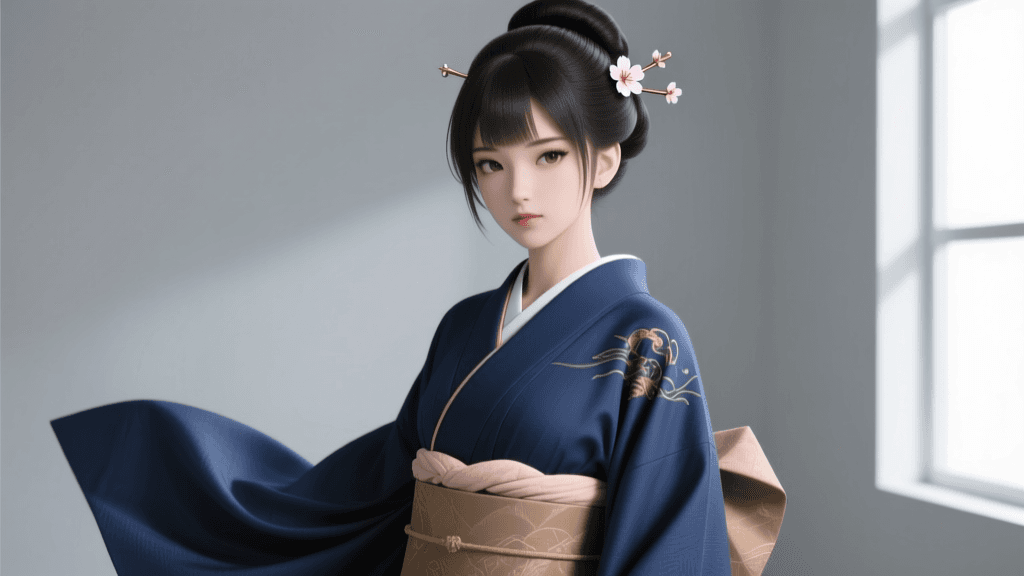
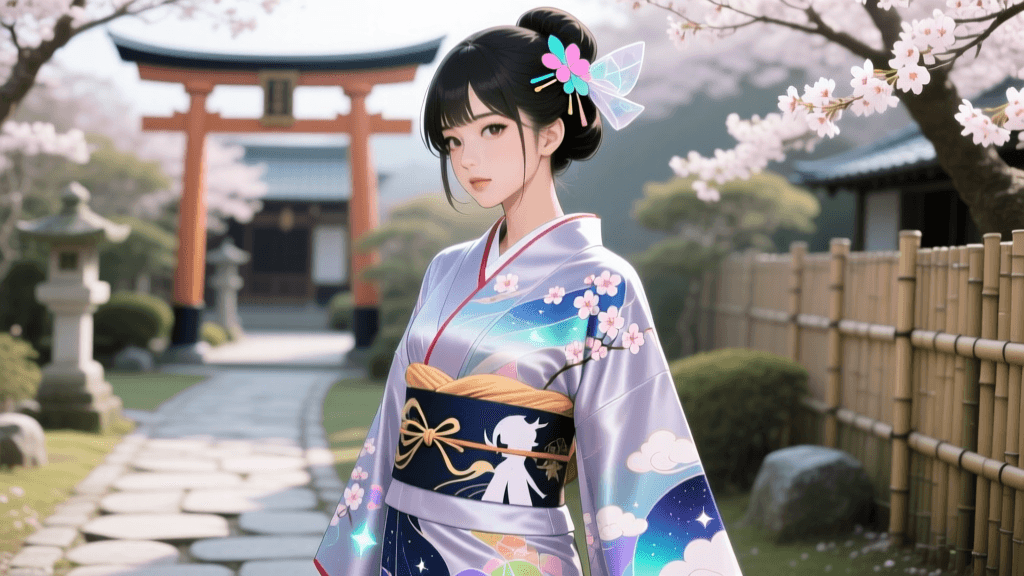
The global explosion of anime and manga has profoundly influenced fashion, creating a vibrant subculture where traditional Japanese garments meet contemporary cosplay. Known collectively as wafuku (Japanese clothing), garments like the kimono, yukata, and hakama are frequently featured in iconic series such as Demon Slayer: Kimetsu no Yaiba, Gintama, and Inuyasha. For cosplayers and fashion enthusiasts, recreating these looks offers a unique challenge: balancing the strict, historical rules of kitsuke (the art of dressing in kimono) with the dynamic, exaggerated aesthetics of anime character design.
According to the Japan National Tourism Organization, the kimono remains a vital symbol of Japanese heritage, yet its modern interpretations continue to evolve. In the cosplay community, "Wafuku Cosplay" has emerged as a dedicated niche. It requires an understanding of traditional silhouettes, fabric behaviors, and structural undergarments, while allowing for creative liberties that bring 2D anime designs into the 3D world. Whether you are preparing for a summer convention like Anime Expo or a winter event like Comiket, mastering the blend of tradition and anime flair is essential.
Sourcing the Base Garments: Thrift vs. Custom
Building an anime-accurate wafuku wardrobe begins with sourcing the right base garments. While custom-tailored silk kimono can cost upwards of $2,000, cosplayers often rely on the thriving secondhand market. Platforms like Buyee, Yahoo! Auctions Japan, and eBay are treasure troves for authentic, pre-loved kimono.
- Polyester Komon (Everyday Kimono): Ideal for beginners and summer conventions. They are machine-washable, breathable, and typically cost between $15 and $40. Many anime background characters or generic "wafuku-inspired" designs can be built from these.
- Silk Furisode (Long-Sleeved Kimono): Essential for characters with dramatic, flowing sleeves (e.g., Shinobu Kocho from Demon Slayer). The sleeves can drop over 100 cm. Expect to pay $80 to $300 for a good condition secondhand piece.
- Hakama (Pleated Trousers): Frequently worn by male characters or sword-wielding heroines. A standard 7-pleat hakama can be found for $30 to $60. Look for rigid polyester blends that hold their pleats during action poses.
Pro-Tip on Sizing: Traditional kimono are wrapped and folded to fit the wearer, meaning width is rarely an issue. However, length is crucial. The ideal kimono length (mitake) should match your height from the shoulder to the ankle. If a garment is too short, it will break the traditional silhouette, which is especially noticeable in cosplay photography.
Traditional Kitsuke vs. Anime Cosplay Styling
As detailed by the Metropolitan Museum of Art, the T-shaped robe of the kimono relies on precise folding and tying to achieve its iconic cylindrical silhouette. However, anime character designs often defy gravity and physics. Below is a comparison of how traditional rules are adapted for the convention floor.
| Element | Traditional Kitsuke Rule | Anime / Cosplay Adaptation |
|---|---|---|
| Collar (Eri) | Tight against the neck, showing exactly 2 cm of the undergarment (nagajuban) at the back. | Often relaxed or pulled down for a casual look; contrasting colors are added to mimic anime line-art shading. |
| Sleeves (Sode) | Left open at the back for ventilation; furisode sleeves hang naturally. | Sometimes pinned or wired to create dynamic, wind-blown effects for photoshoots. |
| Obi Knot | Structured knots like the Otaiko (drum) or Bunko (box), tied flat against the back. | Exaggerated, gravity-defying bows (Fukura-Suzume) or pre-tied theatrical knots secured with hidden safety pins. |
| Footwear | Zori (sandals) with pristine white tabi (split-toe socks). | Geta (wooden clogs) with colored tabi, or modern platform boots for cyberpunk/wafuku fusion designs. |
Surviving the Convention: Undergarments and Heat Management
Traditional wafuku requires multiple layers, including the hadajuban (undershirt), koshimaki (waist wrap), and datejime (tying belts). In the sweltering heat of a crowded convention center, this layering can lead to heat exhaustion. Cosplayers must adapt.
Replace traditional cotton undergarments with modern, moisture-wicking athletic wear. A tight-fitting, breathable sports top and shorts can serve as a base layer. Instead of the thick, padded obi-ita (belt board) used to keep the obi smooth, opt for lightweight plastic or mesh alternatives. Furthermore, while traditional kitsuke forbids visible skin between the collar and the hem, anime cosplay often permits bare legs or modern leggings, provided the overall aesthetic remains respectful to the source material.
Gravity-Defying Obi Knots for the Stage
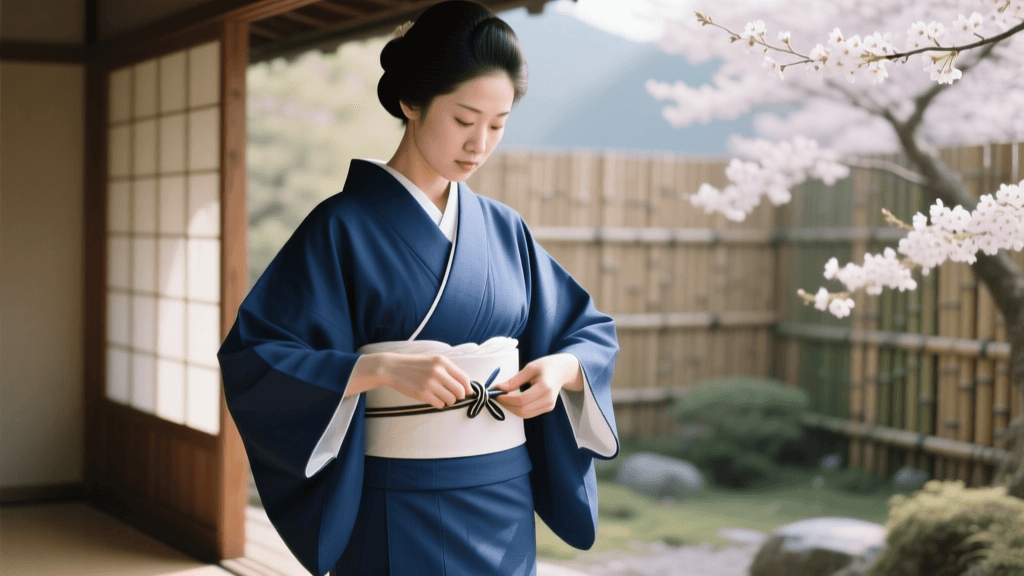
The obi is the centerpiece of any wafuku cosplay. In anime, characters are often depicted with massive, intricate bows that seem to defy physics. Recreating this requires moving away from traditional tying methods and utilizing a tsuke obi (pre-tied obi).
- Create the Bow Separately: Use a stiff brocade fabric or wire-reinforced ribbon to craft the bow loops and tails. Sew them together into a single, cohesive piece.
- The Base Belt: Wrap a simple, contrasting sash around your waist, securing it tightly with a koshihimo (tying cord).
- Attachment: Slide the pre-tied bow onto the base belt from the top, securing it with heavy-duty velcro or hidden safety pins. This allows you to remove the bulky bow when sitting in convention panels or navigating tight doorways.
Footwear and Accessories: Completing the Look
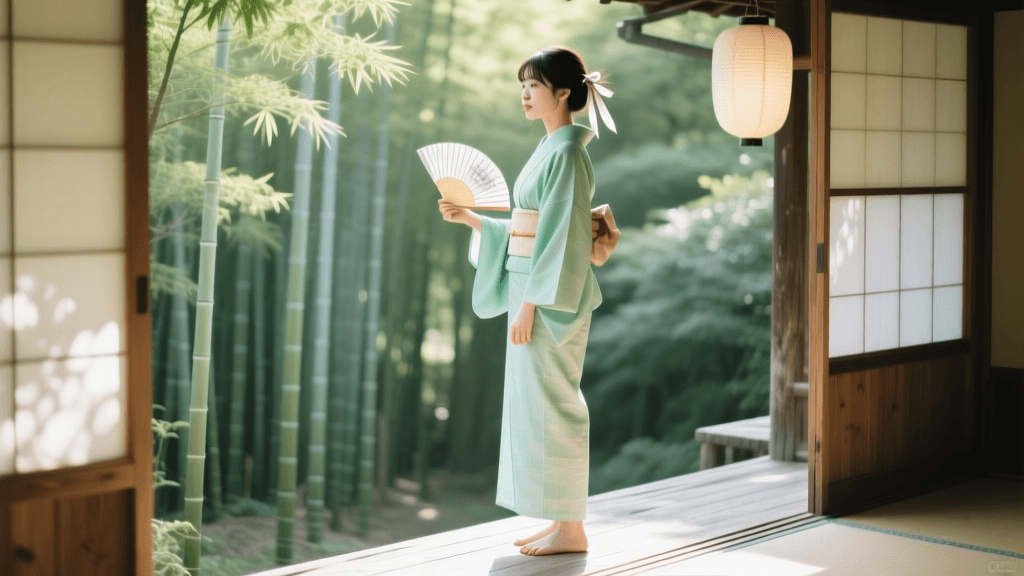
Footwear can make or break a wafuku cosplay. Traditional zori are flat and relatively comfortable, but geta (wooden clogs) offer the distinct "clack" that adds auditory immersion to a character portrayal. However, walking miles on a convention center floor in wooden geta is a recipe for blisters.
Actionable Advice: Purchase geta that are one size larger than your foot to prevent your heels from hanging off the back. Apply moleskin or gel insoles to the wooden platform for shock absorption. For characters with a modern or "steampunk" twist on wafuku, pairing a kimono with lace-up platform boots (like Demonia) and fishnet tabi has become a massive trend in Harajuku street fashion and crossover cosplay.
Accessories should also bridge the gap between eras. Traditional kanzashi (hair ornaments) can be swapped for 3D-printed replicas of anime-specific hairpins, or combined with modern tech-wear elements like tactical harnesses worn over the obi, a popular choice for characters in series like Gintama.
Cultural Appreciation in Cosplay
When blending a deeply cultural garment with pop-culture fandom, the line between appreciation and appropriation must be navigated with care. The Victoria and Albert Museum's exhibition on Kimono highlights how the garment has historically been a canvas for artistic expression and cross-cultural exchange, yet it remains a sacred item of Japanese heritage.
"Wafuku cosplay is most respected when the cosplayer takes the time to understand the garment's anatomy. Avoiding the use of kimono as mere 'costume props'—such as wearing them open like bathrobes or pairing them with disrespectful footwear—shows a profound respect for the culture that birthed the anime we love."
To ensure your cosplay is respectful, never wear a kimono with the right side over the left; in Japanese culture, right-over-left is strictly reserved for dressing the deceased. Always wrap left over right. Additionally, avoid using sacred religious garments (like specific Shinto priest robes) as casual cosplay props unless you are portraying a specific character with deep narrative respect.
Final Thoughts on Wafuku Cosplay
Blending traditional Japanese kimono with anime aesthetics is a rewarding journey that bridges centuries of textile history with modern fandom. By sourcing authentic secondhand garments, adapting traditional undergarments for convention comfort, and engineering creative obi knots, you can bring your favorite 2D characters to life. Approach the art of kitsuke with patience and respect, and your wafuku cosplay will not only look stunning but will also honor the rich cultural tapestry from which it originates.