Yukata and Jinbei: A Guide to Casual Japanese Summer Wear
The Evolution of Everyday Japanese Garments
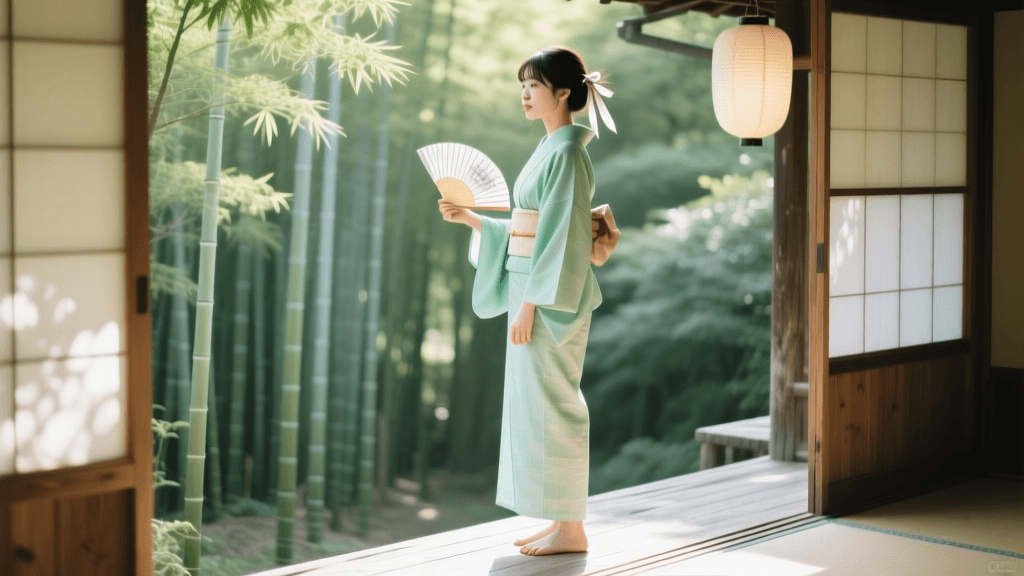
When most people think of traditional Japanese clothing, the formal, multi-layered silk kimono immediately comes to mind. However, the true heartbeat of Japan's sartorial heritage lies in its everyday, casual garments. As the humid Japanese summer approaches, the streets, festivals, and ryokans (traditional inns) transform into vibrant showcases of lightweight, breathable cotton wear. The yukata and the jinbei represent the pinnacle of casual traditional Japanese summer wear, offering a perfect blend of historical elegance and modern practicality. Unlike the restrictive and expensive formal kimono, these garments are designed for movement, comfort, and daily life. According to the Metropolitan Museum of Art's Heilbrunn Timeline of Art History, the evolution of the T-shaped garment in Japan was heavily influenced by the need for climate-appropriate, washable clothing during the Edo period (1615–1868), leading directly to the casual cotton garments we cherish today.
The Yukata: From Bathhouse to Summer Festival
The word 'yukata' translates literally to 'bathing cloth' (yu = bath, katabira = undergarment). Originally, it was a simple, unlined hemp garment worn by the aristocracy in the 8th century to and from the bathhouse. By the Edo period, as cotton became widely cultivated and public bathhouses (sento) became popular among commoners, the yukata evolved into the lightweight cotton robe we recognize today. It served as loungewear, sleepwear, and eventually, acceptable outdoor attire for summer evenings.
Fabric and The Art of Aizome
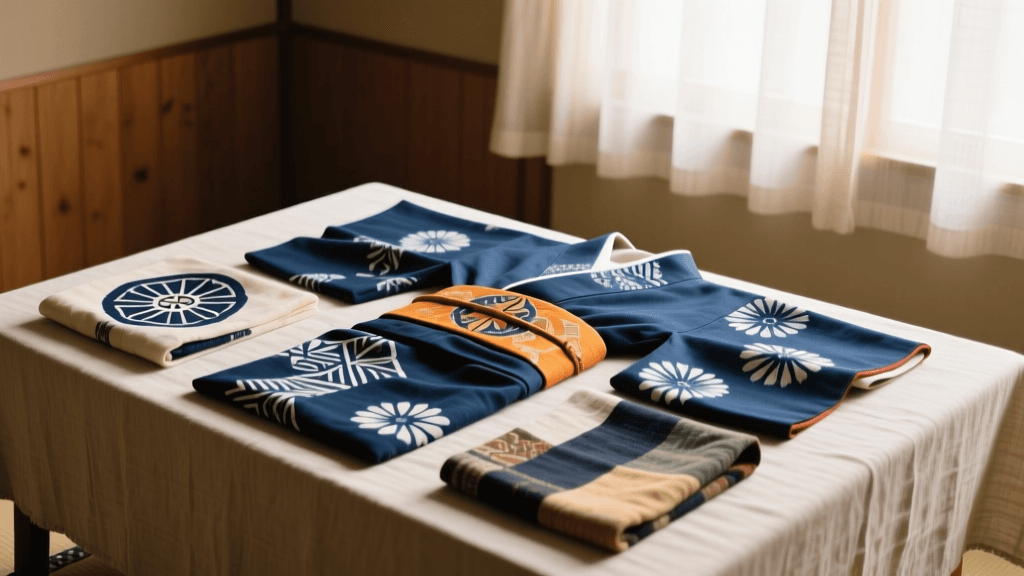
Traditional yukata are crafted from tanmono, a standard bolt of cotton fabric approximately 38 centimeters wide. Historically, the most prized yukata were dyed using aizome (traditional Japanese indigo). Indigo was not only visually striking but also possessed natural insect-repellent and deodorizing properties, making it ideal for humid summers. Today, while chemical dyes and synthetic blends are common for mass-market yukata, artisanal indigo-dyed cotton remains highly sought after by enthusiasts for its rich, fading patina and skin-cooling properties.
How to Wear a Yukata: A Step-by-Step Guide
Wearing a yukata is significantly simpler than wearing a formal kimono, but it still requires attention to specific traditional rules. As noted in cultural guides by Japan Experience, mastering the basic wrap and tie is essential for maintaining the garment's dignified silhouette.
- Preparation: Start with proper undergarments. Women should wear a hadajuban (a thin cotton undershirt) or a camisole, and suteteko (lightweight long underpants) to prevent the cotton from clinging to the skin and to ensure modesty.
- The Wrap: Drape the yukata over your shoulders, ensuring the center seam aligns with your spine. Hold the collar edges together in front. Crucial Rule: Always wrap the left side over the right side. Wrapping right-over-left is strictly reserved for dressing the deceased for burial.
- The Ohashori (Waist Fold): For women, the hem should be adjusted to rest just above the ankles. The excess fabric is folded at the waist to create the ohashori. This fold is a hallmark of women's kimono and yukata styling, allowing for height adjustments and a polished look.
- Securing the Koshi-himo: Tie a thin cotton cord (koshi-himo) tightly around the waist to secure the fold in place. Tuck in any unevenness.
- Tying the Obi: Yukata are worn with a hanhaba obi (half-width obi), which is casual and easy to tie. The most common knot for women is the bunko musubi (bow knot), tied at the back. Men wear their obi much lower, resting on the hip bones, and tie a simple koma musubi (single knot) at the back or slightly to the side.
Jinbei: The Ultimate Casual Loungewear
While the yukata is the undisputed queen of summer festivals, the jinbei is the king of casual loungewear. Originally worn by samurai as indoor workwear or pajamas, the jinbei is a two-piece garment consisting of a short-sleeved, wrap-style top and matching shorts. The top is tied with a simple string at the hip, and the shorts feature an elastic or drawstring waist.
What makes the jinbei uniquely practical for everyday wear is its construction. The side seams of the top are left open, and the shorts feature deep side slits. This deliberate design promotes maximum airflow, preventing the fabric from clinging to the skin during Japan's notoriously oppressive summer humidity. Today, jinbei are wildly popular among all genders and ages, often featuring playful patterns ranging from traditional fireworks and goldfish motifs to modern anime collaborations.
Comparison Chart: Casual Japanese Summer Wear
To help you choose the right garment for your daily activities, here is a structured comparison of Japan's most popular casual traditional wear.
| Garment | Best Occasion | Structure & Fabric | Avg. Price Range (USD) | Ease of Wear |
|---|---|---|---|---|
| Yukata | Festivals, fireworks, ryokans, casual dining | One-piece T-shaped robe, lightweight cotton | $30 - $150 | Moderate (requires obi tying) |
| Jinbei | Lounging, local street festivals, sleeping | Two-piece (top & shorts), cotton/linen blend | $20 - $80 | Very Easy (drawstrings) |
| Samue | Temple work, crafting, home lounging | Two-piece (top & long pants), heavier cotton | $40 - $120 | Very Easy (drawstrings) |
| Haori | Layering over modern clothes, cool evenings | Open-front jacket, silk or cotton | $50 - $200+ | Extremely Easy (slip on) |
Modern Styling: Breaking the Rules
One of the most exciting aspects of everyday traditional wear is its adaptability. While purists may insist on geta (wooden clogs) and specific undergarments, modern Japanese youth frequently blend traditional garments with contemporary fashion. It is increasingly common to see yukata paired with clean white sneakers or strappy sandals instead of traditional footwear. For the obi, pre-tied, clip-on bows are widely available and accepted for casual wear, saving time and eliminating the stress of learning complex knots. Accessories like woven straw bags, hair sticks (kanzashi), and even modern crossbody bags can elevate a simple cotton yukata into a chic, everyday summer outfit.
Practical Buying Guide: Sizing, Costs, and Where to Shop
Purchasing your first casual Japanese garment can be daunting, but understanding the sizing and market landscape makes it highly accessible.
Sizing and Measurements
Unlike Western clothing, yukata and jinbei are often sold in 'Free Size' or generic S/M/L categories. A standard women's yukata is approximately 130-140 cm in length, designed to accommodate heights from 150 cm to 165 cm. The magic of the ohashori (waist fold) allows the wearer to adjust the hemline regardless of their exact height. For men, sizing is slightly more rigid, with lengths typically around 140-150 cm. If you are exceptionally tall, you may need to seek out 'Tall' sizes or opt for a custom-tailored tanmono bolt.
Costs and Retailers
For beginners, mass-market retailers like Uniqlo or GU release highly affordable, machine-washable yukata and jinbei sets every May and June. A complete Uniqlo yukata set (including the robe, obi, and koshi-himo) typically costs around 4,000 to 5,000 JPY ($25 - $35 USD). For higher quality, specialized shops in Tokyo's Asakusa district or Kyoto's Gion district offer artisanal pieces. A high-quality, indigo-dyed cotton yukata from a traditional maker can range from 15,000 to 40,000 JPY ($100 - $270 USD).
Care and Maintenance
The greatest advantage of casual cotton wear over silk kimono is ease of maintenance. Modern yukata and jinbei are designed to be washed at home. To protect the fabric and prevent tangling, always fold the garment neatly and place it inside a large mesh laundry bag before machine washing on a gentle, cold-water cycle. Use a neutral detergent and avoid bleach, especially on indigo-dyed pieces, which will naturally fade and evolve with each wash. According to textile conservation guidelines highlighted by the Victoria and Albert Museum, proper storage is equally important; ensure garments are completely dry before folding them along their original seam lines and storing them in a cool, dry place to prevent mildew.
Conclusion
Embracing the yukata and jinbei is a wonderful way to participate in living Asian traditions without the steep learning curve or financial burden of formal kimono. Whether you are attending a vibrant summer matsuri, lounging on a Sunday afternoon, or simply looking for breathable, sustainable fashion, these casual garments offer a timeless, comfortable, and deeply cultural wardrobe staple.