Mastering Japanese Kimono Layering: Seasonal Guide
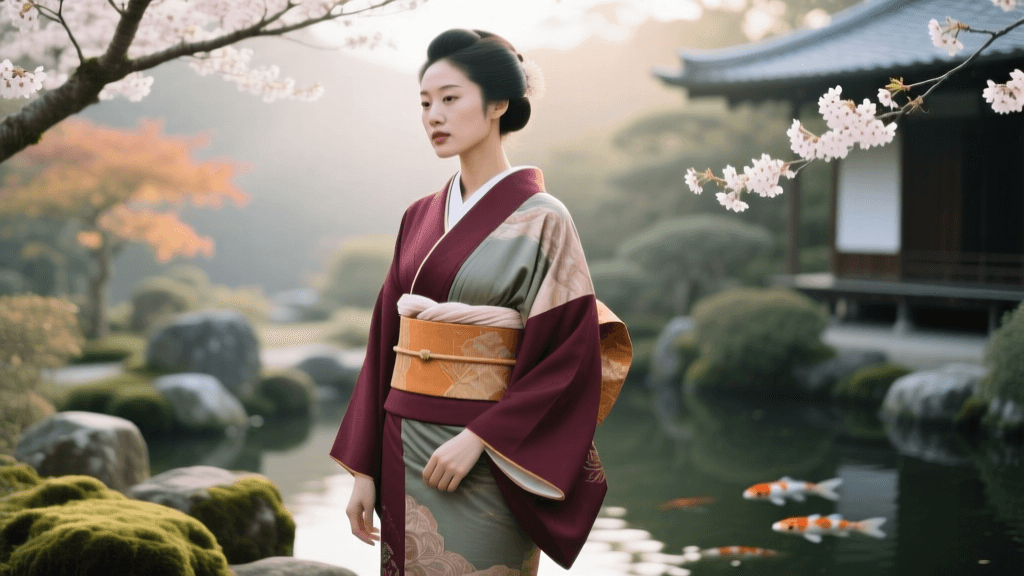
Japanese traditional clothing is not merely a static uniform; it is a dynamic, living calendar that reflects the ephemeral beauty of nature. The practice of wearing kimono is deeply intertwined with the changing of the seasons, requiring a sophisticated understanding of textiles, layering techniques, and sartorial rules. For practitioners and enthusiasts of Asian traditions, mastering the art of seasonal kimono dressing—known as kisetsu-kan—is essential. This guide explores the intricate layering techniques, fabric transitions, and actionable dressing methods required to navigate the Japanese calendar in traditional attire.
The Philosophy of Shiki and Sartorial Rules
In Japan, the appreciation of the four seasons (shiki) is deeply embedded in the cultural psyche, dictulating everything from culinary arts to fashion. Historically, seasonal layering reached its zenith during the Heian period (794–1185) with the junihitoe, a twelve-layer robe where the subtle color combinations of the cuffs and hems signaled the wearer's awareness of the season. According to the Metropolitan Museum of Art, while the voluminous court garments eventually evolved into the streamlined kosode (the precursor to the modern kimono) of the Edo period, the spiritual and aesthetic importance of seasonal motifs and textile weights remained paramount.
Today, the rules of seasonal wear are strictly observed by kimono practitioners. Wearing a heavy, lined silk kimono in the sweltering heat of August, or a sheer, unlined garment in the freezing winds of January, is considered a major sartorial faux pas. The transition between seasons is managed through three primary categories of kimono construction and fabric weight.
The Three Tiers of Seasonal Kimono
The Japanese kimono calendar is broadly divided into three dressing seasons. While modern climate control has slightly relaxed these rules, traditionalists still adhere to the following timeline to honor the natural progression of the year.
| Season | Months | Kimono Type | Fabric Examples | Nagajuban (Inner Robe) |
|---|---|---|---|---|
| Winter & Spring | October 1 – May 31 | Awase (Lined) | Chirimen (crepe), Tsumugi (pongee), Heavy Silk | Lined Silk or Synthetic |
| Early Summer & Autumn | June 1 – June 30 / Sept 1 – Sept 30 | Hitoe (Unlined) | Thin Silk, Cotton, Unlined Tsumugi | Unlined Cotton or Thin Silk |
| High Summer | July 1 – August 31 | Usumono (Sheer) | Ro (leno weave), Sha (gauze), Hemp, Linen | Unlined Sheer Ro or Sha |
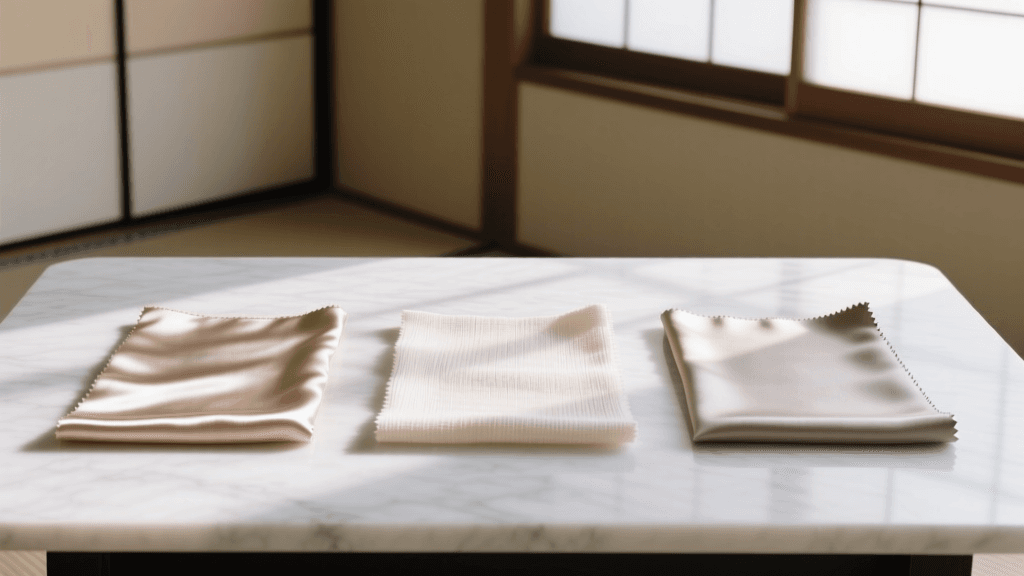
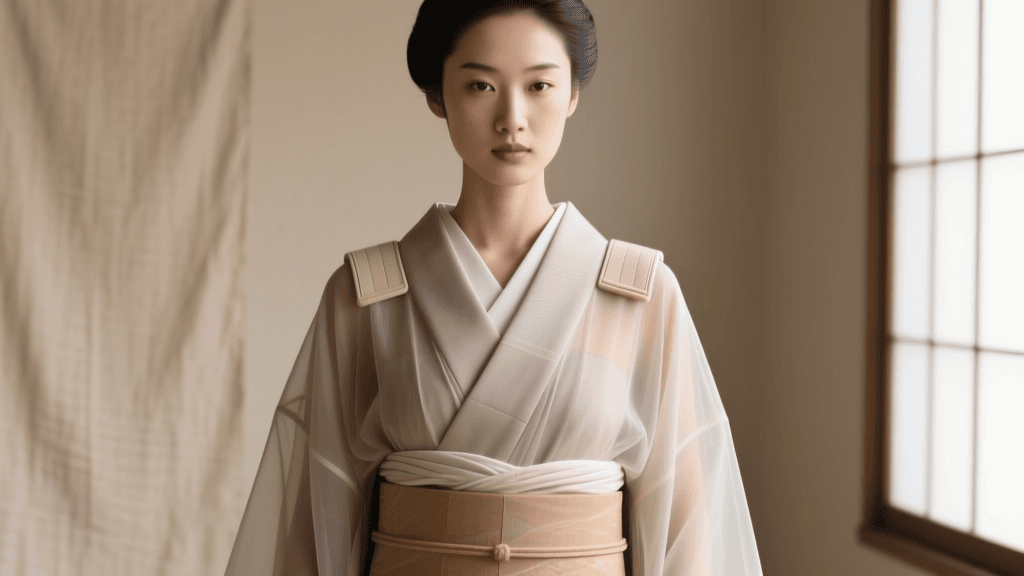
The Awase kimono features a distinct inner lining (hakkake) that provides warmth and structural weight, allowing the garment to drape heavily and elegantly. The Hitoe is completely unlined, offering a lighter drape for transitional weather. The Usumono is woven with intentional gaps in the warp and weft (such as ro and sha weaves) to allow air to pass through, providing a cooling effect and a visually translucent aesthetic that evokes the feeling of flowing water or morning mist.
The Anatomy of Layers: Undergarments and Foundation
Proper kimono dressing (kitsuke) relies heavily on the layers beneath the outer garment. These layers not only protect the expensive outer silk from sweat and oils but also provide the necessary padding to create the traditional cylindrical silhouette.
1. Hadajuban and Susoyoke
The foundation begins with the hadajuban (a short-sleeved undershirt) and the susoyoke (a wrap skirt). In winter, practitioners may opt for thermal, moisture-wicking modern fabrics or quilted cotton versions. In summer, lightweight, breathable linen or ro-weave cotton is essential. The susoyoke should measure approximately 90 cm in length for an average-height woman, ensuring it does not peek out beneath the kimono hem.
2. The Nagajuban and Han-eri
The nagajuban is the inner robe worn directly under the kimono. Its primary visible component is the han-eri (half-collar), which frames the face. The han-eri is highly seasonal. In winter, rich velvet, heavy silk embroidery, or chirimen collars are used. As summer approaches, practitioners swap the han-eri for sheer ro or sha mesh, often in cool tones like pale blue or white. The Victoria and Albert Museum notes that the collar is one of the most vital framing elements of the kimono, and its seasonal adaptation is a hallmark of an experienced dresser.
Dressing Techniques for Temperature and Aesthetics
Beyond selecting the right fabrics, the physical technique of dressing changes subtly with the seasons to accommodate temperature fluctuations and aesthetic preferences.
The Eri-Nuki (Collar Adjustment)
The eri-nuki refers to the practice of pulling the back collar away from the nape of the neck. In the winter, the collar is kept relatively snug (about one finger's width from the neck) to retain body heat and present a formal, modest posture. In the high summer, the eri-nuki is pulled back significantly (up to three or four finger widths), exposing the nape. This technique not only allows for vital airflow to cool the body but also highlights the nape, traditionally considered one of the most elegant and alluring parts of the body in Japanese aesthetics.
The Ohashori (Waist Fold)
The ohashori is the horizontal fold of fabric tucked at the waist to adjust the kimono's length. In winter, a deeper, more structured ohashori (around 5-7 cm) helps trap warmth and provides a grounding visual weight. In summer, the fold is made as shallow and neat as possible to reduce bulk and fabric layers around the core, minimizing heat retention.
Layering with the Haori
During the colder months (December through March), the haori (a hip- or thigh-length kimono jacket) is added as an outer layer. For extreme cold, a hanten (a padded, short winter coat) or a thick woolen shawl (haramaki or eri-maki) is utilized. The Kyoto National Museum frequently showcases historical haori and uchikake (overcoats), demonstrating how outer layers were historically used to display wealth and seasonal motifs, such as winter pine or plum blossoms.
Actionable Guide: Building and Budgeting Your Wardrobe
Building a functional, year-round kimono wardrobe requires strategic investment. Here is a practical breakdown for enthusiasts looking to acquire seasonal pieces, utilizing both vintage markets and modern artisans.
- Winter Awase Silk Kimono: Vintage markets (such as Tokyo's Oedo Antique Market) offer excellent condition awase kimono for $50 to $250. Look for tsumugi (pongee) for durable, everyday winter wear.
- Summer Ro/Sh Usumono: Because sheer fabrics are fragile and prone to snags, vintage usumono can be risky. Budget $300 to $800 for a new, custom-tailored ro silk kimono to ensure structural integrity.
- Nagajuban Collection: Invest in one high-quality synthetic washable nagajuban body ($80-$120) and purchase multiple seasonal han-eri collars ($15-$40 each) to swap out. This is the most cost-effective way to adhere to seasonal rules.
- Koshihimo (Waist Ties): Purchase a set of 4 cotton ties for winter (they grip heavier silk better) and 4 silk or mesh ties for summer (they slide easily and do not trap heat). Cost: $10-$20 per set.
'The kimono is not merely a garment, but a canvas upon which the fleeting beauty of the seasons is painted, layered, and worn. To dress in kimono is to wear the calendar itself.'
Conclusion
Mastering the seasonal wear and dressing techniques of the Japanese kimono is a lifelong pursuit that blends historical reverence with practical adaptation. By understanding the transitions from awase to hitoe and usumono, carefully selecting foundational undergarments, and adjusting physical dressing techniques like the eri-nuki, practitioners can honor the deep-rooted Asian traditions of sartorial harmony with nature. Whether navigating the crisp autumn winds in a lined tsumugi or seeking refuge from the summer humidity in a sheer ro weave, the art of kimono layering remains a profound expression of cultural identity and aesthetic mindfulness.