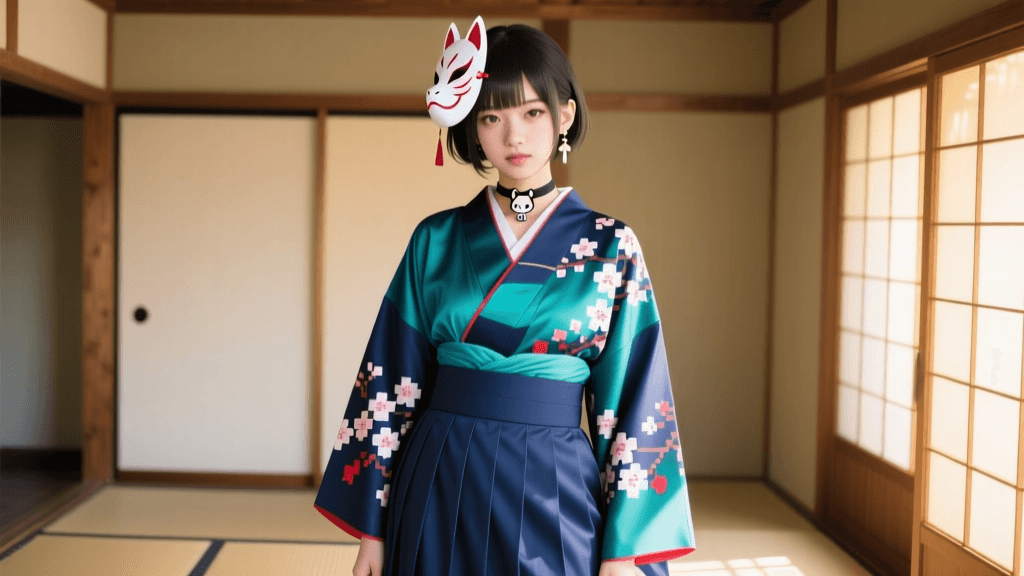
Kimono Craftsmanship: A Guide to Silk, Cotton, and Synthetics
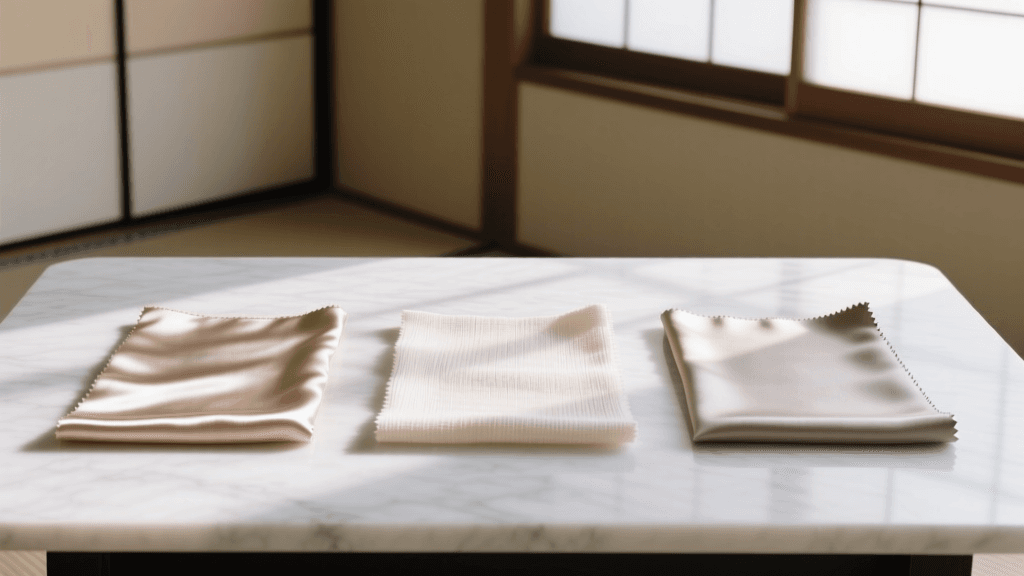
The Foundation of Kimono Craftsmanship: The Tanmono
Unlike Western tailoring, which relies on cutting fabric into complex, curved patterns to fit the human form, traditional Japanese kimono craftsmanship is rooted in the geometry of the tanmono (fabric bolt). A standard tanmono is woven to a specific width—typically 36 to 38 centimeters (about 14 to 15 inches) and 12 to 13 meters in length. This precise measurement dictates the T-shaped construction of the kimono, ensuring that virtually no fabric is wasted during the cutting and sewing process. According to the Metropolitan Museum of Art, this linear approach to garment construction elevates the textile itself, turning the fabric's surface into the primary canvas for artistic expression.
Understanding the material composition of a kimono is essential for collectors, wearers, and enthusiasts. The choice of fabric dictates not only the garment's aesthetic and drape but also its seasonal appropriateness, maintenance requirements, and overall cost. Below, we explore the primary fabric types used in kimono craftsmanship, offering practical advice for purchasing, wearing, and preserving these masterpieces.
Silk (Kinu): The Pinnacle of Japanese Textile Art
Silk has been the premier material for formal Japanese garments for centuries. The craftsmanship involved in producing silk kimono textiles is highly specialized, often requiring dozens of artisans to weave, dye, and embroider a single bolt. The Victoria and Albert Museum notes that the evolution of silk weaving and dyeing techniques, such as Nishijin brocade and Kyo-Yuzen resist dyeing, represents the zenith of Japanese decorative arts.
Key Silk Varieties
- Chirimen (Silk Crepe): Woven with highly twisted yarns that create a pebbled texture. Chirimen is prized for its excellent drape, resistance to wrinkling, and rich, deep absorption of dyes. It is the standard fabric for modern formal kimono.
- Rinzu (Silk Damask): Features a glossy, woven figural pattern on a matte background. Rinzu is frequently used for wedding uchikake and formal furisode, offering a subtle, luxurious sheen.
- Tsumugi (Pongee): A rustic, slubbed silk woven from pre-dyed yarns. While incredibly labor-intensive and expensive, Tsumugi has a matte, textured finish that makes it appropriate for casual, everyday elegance rather than strict formal ceremonies. Oshima Tsumugi, woven in Amami Oshima using mud-dyeing techniques, can take months to produce.
Practical Advice for Silk
Cost: Authentic, newly tailored silk kimono range from $500 for machine-woven basics to over $5,000 for bespoke, hand-painted Yuzen pieces. Vintage silk kimono can be found for $50 to $300. Seasonality: Lined silk kimono (awase) are worn from October to May. Unlined silk (hitoe) is worn in June and September. Open-weave silks like ro and sha are reserved for the peak heat of July and August. Care: Never wash silk at home. Professional kimono cleaning (maruarai) involves taking the garment apart, washing the panels, and re-sewing them, costing between $80 and $150 per wash. Spot cleaning by a specialist costs around $30 to $50.
Cotton (Momen) and Linen (Asa): Breathable Elegance
Before the widespread availability of silk to the merchant classes during the Edo period, and continuing today as a staple of summer wear, plant-based fibers have played a crucial role in Japanese dress. The Smithsonian National Museum of Asian Art highlights how regional cotton and linen weaving traditions, such as those in Okinawa and Tohoku, developed distinct cultural identities through indigenous dyeing methods like indigo (aizome).
Key Cotton and Linen Varieties
- Yukata Cotton: A lightweight, breathable, and highly absorbent cotton used for the yukata, the quintessential summer festival garment. Modern yukata cotton is often pre-shrunk and printed with vibrant, contemporary motifs.
- Omi Jofu (Premium Linen): Woven in Shiga Prefecture, this high-end linen is renowned for its crisp texture, cooling properties, and intricate kasuri (ikat) patterns. It is considered a luxury summer fabric.
- Oshima Cotton: A cotton adaptation of the famous silk weaving technique, offering the rustic geometric patterns of Oshima but with the ease of cotton care.
Practical Advice for Cotton and Linen
Cost: Standard cotton yukata cost between $40 and $150. High-end linen kimono (Jofu) range from $300 to $800. Seasonality: Strictly warm-weather garments. Cotton yukata are worn from June to September. Linen is preferred in July and August for its superior heat dissipation. Care: Cotton and linen can be hand-washed at home. Use cold water and a mild, neutral detergent. Do not wring the fabric; instead, press it between towels to remove excess water and hang it in the shade to prevent UV fading. Iron on a medium setting while slightly damp.
Synthetics: Modern Practicality and Accessibility
In the mid-20th century, the introduction of synthetic fibers revolutionized the kimono industry, making the garment more accessible and practical for modern, fast-paced lifestyles. While traditionalists may favor natural fibers, high-quality synthetics offer undeniable benefits for daily wear and harsh weather conditions.
Key Synthetic Varieties
- Polyester (Tetoron): The most common synthetic kimono material. Modern polyester is engineered to mimic the drape and slight sheen of silk chirimen. It holds vibrant dyes exceptionally well and resists wrinkling.
- Rayon/Viscose: A semi-synthetic fiber that offers a silky drape and high breathability, though it is prone to shrinking if exposed to water and requires careful dry cleaning.
Practical Advice for Synthetics
Cost: Highly affordable, ranging from $30 to $150 for a complete set. Seasonality: Polyester is versatile and can be worn year-round, though it lacks the temperature-regulating properties of natural fibers, making it less comfortable in extreme summer heat. Care: Polyester kimono are often machine washable on a gentle cycle inside a mesh laundry bag. They dry quickly and rarely require ironing. This makes them the ideal choice for wearing during the rainy season (tsuyu) or for stage performers and restaurant staff who require durable, easily cleaned garments.
Comprehensive Kimono Fabric Comparison Chart
Use the following table to quickly assess which kimono material best fits your budget, lifestyle, and seasonal needs.
| Fabric Type | Material | Best Season | Average Cost (USD) | Care Instructions |
|---|---|---|---|---|
| Chirimen | Silk Crepe | Autumn / Winter / Spring | $300 - $2,500 | Specialist Dry Clean (Maruarai) |
| Tsumugi | Pongee Silk | Autumn / Winter / Spring | $400 - $3,000 | Specialist Dry Clean |
| Yukata | Lightweight Cotton | Summer (June - Sept) | $40 - $150 | Hand Wash Cold, Line Dry |
| Jofu | Premium Linen | Peak Summer (July - Aug) | $300 - $800 | Hand Wash Cold, Iron Damp |
| Tetoron | Polyester | Year-Round (Rainy season) | $30 - $150 | Machine Wash Gentle, Hang Dry |
Practical Advice for Sizing and Purchasing
Because kimono are constructed from standard-width tanmono, sizing is adjusted through the sewing process rather than cutting. When purchasing a kimono, the most critical measurement is the jitaku (total length).
To find your ideal length, measure from the prominent vertebra at the base of your neck (the nape) down to your ankle bone. For traditional floor-length wear, the kimono should ideally match this measurement. However, modern wearers often prefer a slightly shorter length (ankle-bone to mid-calf) for ease of walking. The width of the kimono is generally forgiving; a standard bolt will comfortably fit individuals with a hip measurement of up to 105 cm (41 inches). For larger sizes, custom weaving or specialized wide-width tanmono (up to 42 cm) must be sourced, which significantly increases the cost and production time.
Preservation, Storage, and Care
Proper storage is vital to maintaining the structural integrity and vibrancy of kimono fabrics. Silk garments are highly susceptible to humidity, mold, and the degradation of metallic threads.
The beauty of the kimono lies not in its tailoring, which remains largely uniform, but in the limitless canvas of its textile surface, where the mastery of Japanese dyeing and weaving techniques truly shines.
Always store silk kimono flat, folded along their original seams, and wrapped in acid-free tatoushi paper. Avoid plastic bags, which trap moisture and cause yellowing. For long-term storage, invest in a kiribako (paulownia wood box). Paulownia wood naturally regulates humidity and repels insects. Place natural camphor or specialized kimono mothballs in the corners of the box, ensuring they do not touch the fabric directly to prevent chemical staining. Air out your kimono collection at least twice a year during the dry, breezy days of spring and autumn to prevent mustiness and preserve the craftsmanship for generations to come.