Anime-Inspired Kimono Styling: The Ultimate Cosplay Guide
The Intersection of Anime and Traditional Japanese Fashion
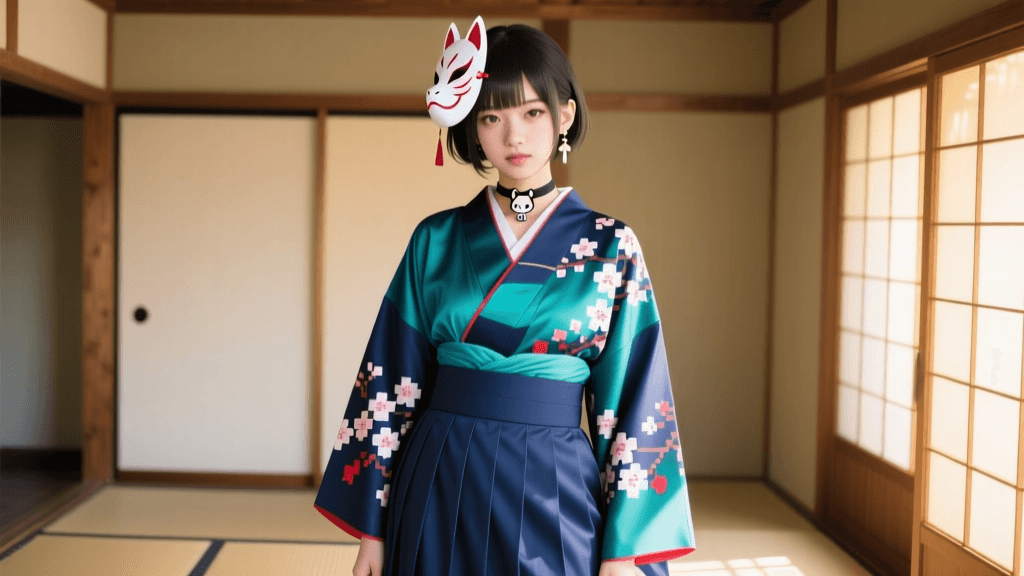
When exploring the vibrant world of Japanese street fashion and global convention culture, the intersection of traditional garments and modern fandom creates a stunning visual dialogue. Anime and manga have long served as global ambassadors for Japanese culture, frequently romanticizing and stylizing historical clothing. From the sweeping hakama of Sengoku-era swordsmen to the intricate, patterned haori of the Taisho period, anime has sparked a massive resurgence in the popularity of wafuku (traditional Japanese clothing) among younger generations and international fans.
For cosplayers and fashion enthusiasts, integrating authentic or high-quality replica kimono and hakama into anime-inspired outfits requires a nuanced understanding of traditional tailoring, modern styling, and practical convention wear. As noted by the Victoria and Albert Museum in their landmark exhibition exploring the kimono's evolution from Kyoto to the global catwalk, the garment is not a static historical relic but a dynamic canvas for contemporary expression and subcultural identity.
The Taisho Roman Aesthetic in Modern Anime
One of the most prominent traditional aesthetics in anime is the 'Taisho Roman' style, which blends traditional Japanese silhouettes with Western influences from the 1910s and 1920s. Mega-hits like Demon Slayer (Kimetsu no Yaiba) and Sakura Wars heavily utilize this era. The signature look involves a vibrant, patterned kimono paired with a contrasting, often solid-colored hakama and a draped haori jacket.
To recreate this look authentically, cosplayers should focus on the silhouette. Unlike the strictly formal, floor-sweeping kimono of the Edo period, Taisho-era garments often featured slightly shorter hemlines, allowing for the display of Western-style lace-up boots or modern footwear, a staple in contemporary anime crossover fashion.
Essential Garments for the Anime Cosplayer
Building a traditional anime-inspired wardrobe requires understanding the specific functions and structures of core garments. According to The Metropolitan Museum of Art, the fundamental structure of the kimono has remained remarkably consistent, yet its styling variations are vast.
Kimono vs. Yukata
While often used interchangeably by beginners, kimono and yukata serve different purposes. A true kimono is lined, made of silk or high-grade synthetic crepe, and requires multiple under-layers (nagajuban) and a stiff, formal obi. A yukata is an unlined, lightweight cotton garment originally meant for bathing or summer festivals. For convention floors, a high-quality polyester yukata or a lightweight synthetic kimono is often preferred due to breathability and ease of washing.
Hakama and Haori
The hakama is a pleated, divided skirt (umanori) or undivided skirt (andon) worn over the kimono. In anime, hakama are ubiquitous, worn by shrine maidens (miko), martial artists, and students. The haori is a hip- or thigh-length jacket worn open over the kimono. The haori is arguably the most versatile piece for casual anime streetwear, as it can be layered over modern clothing like turtlenecks and jeans for a subtle, 'Wa-Loli' or modern crossover aesthetic.
Sizing, Measurements, and Fit
Unlike Western clothing, traditional Japanese garments are not sized by small, medium, or large. They are measured by specific body dimensions. Getting the right fit is crucial for avoiding the 'costume' look and achieving an authentic drape.
- Yuki (Sleeve Length): Measured from the center of the back of the neck, across the shoulder, and down to the wrist. A proper anime-style kimono should have the sleeve seam hit exactly at the wrist bone, with the excess fabric folding neatly over the arm.
- Take (Body Height/Length): The total length of the garment from the base of the neck to the floor. For women, the kimono is pulled up and folded at the waist (ohashori) to adjust the hem to the ankle. For men, the kimono is worn at exact ankle length without a fold.
- Hip Width: While kimono are wrapped, the hip measurement dictates how much overlap you can achieve. A standard kimono requires a hip measurement of no more than 40 inches for a secure, modest wrap.
Comparison Chart: Garment Grades for Conventions
Choosing the right fabric and construction grade impacts your budget, comfort, and the longevity of your cosplay. Below is a comparison of the most common garment types available to cosplayers.
| Garment Type | Material | Average Cost (USD) | Convention Suitability | Maintenance Level |
|---|---|---|---|---|
| Authentic Vintage Silk Kimono | Silk / Silk Crepe | $80 - $300+ | Low (Fragile, stains easily, heavy) | High (Dry clean only, careful storage) |
| Modern Polyester Kimono | Polyester Crepe | $50 - $150 | High (Durable, wrinkle-resistant) | Low (Machine washable on gentle) |
| Cosplay-Grade Yukata | Cotton / Cotton Blend | $30 - $70 | Very High (Breathable, lightweight) | Very Low (Easy wash, quick dry) |
| Mass-Market Costume Hakama | Thin Polyester / Poplin | $25 - $60 | Medium (Pleats lose shape, sheer) | Medium (Requires ironing pleats) |
Styling Techniques: Blending Eras and Fandoms
True anime-inspired fashion rarely relies on strict historical accuracy; instead, it plays with proportions, color blocking, and anachronistic accessories.
Footwear: Zori, Geta, and Modern Alternatives
Traditionally, kimono are worn with zori (flat sandals) or geta (wooden clogs) and tabi (split-toe socks). However, for all-day convention wear, wooden geta can cause severe foot fatigue. Many cosplayers opt for modern alternatives. Lace-up Victorian boots perfectly complement the Taisho Roman aesthetic, while chunky platform sneakers or combat boots lend a cyberpunk or modern streetwear edge to a traditional hakama setup.
The Obi: Structure vs. Drama
The obi (sash) is the focal point of the kimono. In traditional kitsuke (the art of dressing), women's obi are tied in structured, compact knots like the taiko musubi (drum knot) or bunko musubi (bow knot). Anime often exaggerates these proportions. To achieve a dramatic, anime-inspired silhouette, cosplayers frequently use pre-tied, oversized 'fukura-suzume' style bows or incorporate stiff interfacing and wire into the obi fabric to create gravity-defying, wing-like structures that mimic the dynamic character designs seen in manga.
'The beauty of anime-inspired wafuku styling lies in its rebellion against strict traditional rules. By mixing a formal silk haori with modern streetwear elements, you create a living, breathing tribute to the character while honoring the garment's rich history.'
Practical Guide: Building Your First Anime Hakama Set
If you are looking to build a versatile, shrine-maiden or swordsman-inspired hakama set, follow this actionable timeline and budget guide:
- Month 1: Sourcing the Base (Budget: $60 - $100)
Purchase a white or red polyester kimono top (kosode) and a matching polyester hakama. Avoid cheap Halloween costume sets; look for dedicated martial arts suppliers (like Iaido or Kendo gear shops) which offer durable, heavily pleated hakama that hold their shape during dynamic poses. - Month 2: Accessories and Footwear (Budget: $30 - $50)
Invest in a pair of high-quality, stretch-knit tabi socks. Unlike traditional cotton tabi that require stiff metal clasps (kohaze), stretch tabi slip on like socks and are vastly more comfortable for convention walking. Pair with lightweight EVA-foam zori sandals. - Month 3: The Haori and Props (Budget: $40 - $150)
Add a customized haori. Many cosplayers buy blank polyester haori and use fabric paint or iron-on vinyl to replicate specific anime clan crests (kamon) or character motifs. This is also the time to commission or craft your character-specific props, ensuring they have magnetic or hidden belt loops to attach securely to the hakama's hidden ties (himo).
Caring for Your Garments Post-Convention
Convention floors are notoriously dirty, and sweat can quickly degrade fabrics. Proper post-convention care ensures your investment lasts for years.
- Airing Out: Never store a worn kimono or hakama immediately. Hang the garments on a specialized kimono hanger (which has extra-wide arms to support the sleeves) in a well-ventilated, shaded area for 24 hours to allow moisture to evaporate.
- Spot Cleaning: For silk or delicate vintage pieces, never use water. Use a specialized fabric eraser or take it to a dry cleaner experienced with traditional Japanese garments. For polyester and cotton, gentle hand washing in cold water with a pH-neutral detergent is recommended.
- Pleat Maintenance: To maintain the sharp pleats of a hakama, fold it along its original crease lines and store it flat. If the pleats begin to soften, use a steam iron on a low setting, placing a pressing cloth between the iron and the fabric to prevent synthetic melting.
Conclusion
Blending traditional Japanese garments with anime and manga aesthetics is more than just cosplay; it is a modern continuation of a centuries-old sartorial tradition. By understanding the foundational rules of kitsuke, selecting the right materials for your environment, and confidently breaking stylistic boundaries, you can create anime-inspired fashion that is both culturally respectful and visually spectacular.