The Inclusive Kimono Guide: Styling for All Body Types
Breaking the 'One Size' Myth in Traditional Japanese Fashion
The kimono is often misunderstood by international audiences as a rigid, unforgiving garment that only flatters a specific, narrow range of body types. In reality, traditional Japanese clothing is incredibly adaptable. Unlike Western tailoring, which cuts fabric to match the exact contours of the body, the kimono is constructed from straight bolts of fabric (tanmono) and relies on intricate wrapping, folding, and tying techniques to create a customized silhouette. According to the Victoria and Albert Museum, the kimono's historical evolution showcases a garment that has continuously adapted to changing cultural norms, body ideals, and individual expressions.
Today, the global kimono community is more diverse than ever. Renters, buyers, and modern fashion enthusiasts are proving that this iconic garment is not bound by age, size, or gender. Whether you are petite, plus-sized, exceptionally tall, or exploring gender-neutral fashion, understanding the mechanics of kimono dressing (kitsuke) allows you to tailor the experience to your unique physique. The Japan National Tourism Organization frequently highlights how modern rental shops and stylists in Kyoto and Tokyo are embracing inclusive sizing, ensuring every visitor can experience the elegance of traditional wear.
Understanding Kimono Sizing: Yuki and Mitake
Before diving into styling techniques, it is essential to understand the two primary measurements in kimono fitting:
- Yuki (Sleeve Span): Measured from the center of the back of the neck, over the shoulder, and down to the wrist. This determines how the sleeves drape and where the cuffs sit on your hands.
- Mitake (Back Length): Measured from the base of the neck down to the hem. This dictates where the kimono falls on your legs and how much fabric is available for the waist fold (ohashori).
While vintage kimonos were often tailored to specific individuals, modern styling relies on adjustable folding techniques to accommodate deviations from these standard measurements. As noted by cultural travel experts at Japan Experience, mastering the art of the fold is the secret to making any kimono look bespoke.
Styling for Diverse Body Types
Petite Frames: Managing Excess Fabric
For individuals with shorter statures or smaller frames, the primary challenge is managing the standard length and sleeve span. A standard kimono might pool on the floor or extend past the fingertips.
The Solution: The ohashori (the waist fold visible beneath the obi) is your best tool. By pulling more fabric up through the koshi-himo (waist ties), you can significantly shorten the hemline to the ideal ankle-grazing length. For sleeves that are too long, modern dressers often use hidden clips or strategically fold the excess fabric inward at the shoulder seam, securing it with a discreet stitch or safety pin. Choosing kimonos with smaller, delicate patterns (komon) also helps maintain visual proportion, preventing the garment from overwhelming a petite frame.
Curvy and Plus-Size Figures: Creating the Cylindrical Silhouette
Traditional kimono aesthetics favor a smooth, cylindrical silhouette rather than accentuating the bust, waist, and hips. For curvy or plus-size individuals, the challenge lies in securing the fabric comfortably across the chest and hips while ensuring the obi sits flat and supportive.
The Solution: The practice of hosei (body correction or padding) is standard in professional kitsuke. Wrapping specialized towels or using padded undergarments around the waist and hips creates a smooth, tubular base. This prevents the obi from digging into the skin and stops the kimono fabric from pulling awkwardly across curves. Furthermore, selecting darker, solid-colored kimonos or those with vertical, flowing motifs can create an elongating effect. Using a wider fukuro obi provides excellent back support and distributes pressure evenly, making the garment comfortable for all-day wear.
Tall Individuals: Navigating Hemlines and Sleeve Lengths
Tall wearers often face the issue of the kimono hem falling too high, sometimes exposing the calves entirely, or the sleeves ending awkwardly above the wrist.
The Solution: In modern and casual kimono styling, showing the ankles is entirely acceptable and can even be a stylish choice, especially when paired with decorative tabi socks and elegant zori sandals. If the sleeves are too short, you can embrace the tsutsusode (narrow sleeve) look by folding the cuffs inward slightly, or opt for a haori (kimono jacket) worn open over the ensemble to draw the eye vertically and mask sleeve discrepancies. For formal events, tall individuals may need to seek out modern, custom-made kimonos or vintage pieces originally tailored for taller demographics.
Gender-Inclusive Kimono Fashion
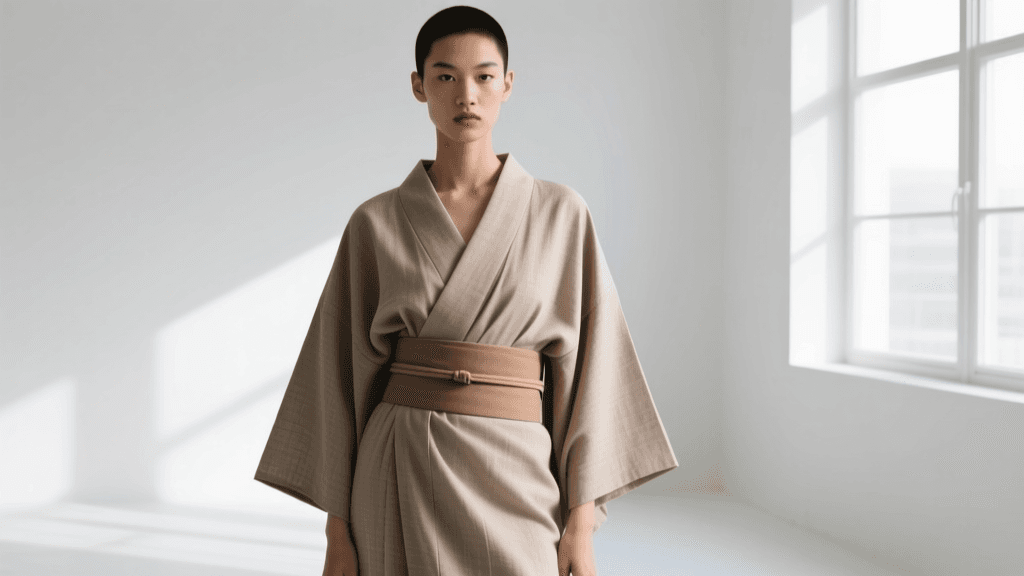
Historically, kimono fashion was strictly divided along binary gender lines: men wore muted colors, geometric patterns, and hakama (pleated trousers), while women wore vibrant colors, floral motifs, and long, dangling sleeves (furisode). Today, the boundaries of gendered fashion are dissolving, and the kimono is at the forefront of this inclusive movement.
Gender-neutral and non-binary styling often involves mixing traditional elements to create a personalized aesthetic. The haori jacket is a staple of gender-inclusive fashion; it can be worn open over a simple kimono, a modern turtleneck, or even Western trousers. Many modern wearers opt for the yukata (casual summer cotton kimono) in monochromatic or abstract patterns, tying the obi in a simple, structured knot that avoids overly masculine or feminine connotations. By focusing on the drape of the fabric and the architectural beauty of the obi knot, wearers of all gender identities can claim the kimono as a canvas for self-expression.
Essential Fitting Guide & Adjustments
To help you navigate your next kimono rental or purchase, refer to this structured guide for body-specific adjustments:
| Body Type / Goal | Key Adjustment Area | Recommended Tools & Techniques |
|---|---|---|
| Petite Frames | Hemline & Sleeves | Deepen the ohashori fold; use hidden shoulder clips for sleeve length; opt for komon (small) patterns. |
| Curvy / Plus-Size | Waist & Hips | Use hosei towels for a cylindrical base; select wide fukuro obi for support; choose vertical motifs. |
| Tall Individuals | Hem & Sleeve Span | Embrace the ankle-bearing look; layer with a long haori; seek custom mitake measurements for formal wear. |
| Broad Shoulders | Collar & Back | Adjust the eri (collar) to sit lower on the back; ensure yuki measurement accommodates shoulder width. |
| Gender-Neutral | Overall Silhouette | Mix hakama with vibrant fabrics; use structured obi knots; layer with modern streetwear pieces. |
The Art of Hosei: Why Padding is Your Best Friend
One of the most surprising aspects of kimono dressing for beginners is the extensive use of padding. In Western fashion, padding is often used to enhance curves; in kitsuke, it is used to erase them. The goal is to create a uniform, column-like shape that allows the straight seams of the kimono to hang perfectly without distortion.
For individuals with pronounced curves, a bustier or sports bra that flattens the chest is recommended, followed by wrapping a soft cotton towel around the waist and hips, secured with a date-jime (wide under-belt). This not only achieves the traditional aesthetic but also drastically improves comfort. The padding acts as a cushion, preventing the rigid ties from digging into the skin and ensuring the heavy silk or brocade fabrics glide smoothly over the body. Embracing hosei is not about hiding your body; it is about respecting the architectural geometry of the garment.
'The kimono is not a rigid uniform, but a canvas of personal expression. Its true beauty lies in how it adapts to the wearer, not how the wearer conforms to it.'
Conclusion: Claiming Your Space in Traditional Fashion
The narrative that the kimono is exclusive to a specific body type or gender is an outdated myth. Through the clever use of folding, padding, and modern styling techniques, the kimono remains one of the most versatile and inclusive garments in the world. Whether you are navigating the bustling streets of Harajuku in a gender-neutral haori, attending a formal tea ceremony in a meticulously padded silk kimono, or simply exploring the rich textile history of Japan, remember that the garment is meant to serve you. By understanding your measurements and embracing the adaptive techniques of kitsuke, you can wear the kimono with confidence, comfort, and profound respect for its enduring legacy.