Beginner's Guide to the Hanfu Revival: Styles, Costs, and Fit
The Rise of the Hanfu Yundong
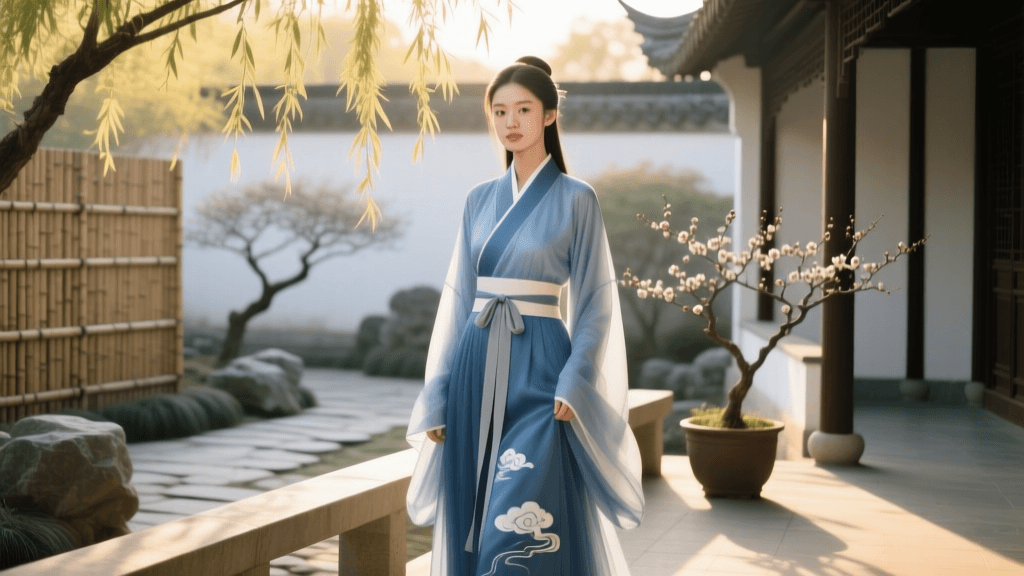
The Hanfu revival movement, known in Chinese as Hanfu Yundong (汉服运动), is one of the most fascinating cultural phenomena of the 21st century. What began in the early 2000s as a niche internet forum discussion about reclaiming the traditional clothing of the Han ethnic group has blossomed into a multi-billion-dollar global industry. Today, it is common to see young people wearing flowing silk robes and structured brocade jackets on the streets of Beijing, Shanghai, and even in major Western cities. According to Reuters, the movement is driven by a blend of cultural pride, aesthetic appreciation, and a desire to reconnect with pre-Qing dynasty history.
For beginners, navigating the vast array of dynastic styles, complex sizing systems, and specialized terminology can be overwhelming. This comprehensive guide will provide you with actionable advice on selecting your first Hanfu, understanding traditional tailoring measurements, and budgeting for a high-quality wardrobe.
The Golden Rule: Jiaoling Youren
Before purchasing or wearing any Hanfu, you must understand the most critical rule of traditional Chinese dress: Jiaoling Youren (交领右衽). This translates to 'intersecting collar, right lapel.' When wearing a top or robe with a cross-collar, the left side of the garment must always cross over the right side, securing on your right side. In traditional Han culture, crossing left over right is reserved exclusively for the deceased or certain ethnic minorities during specific historical periods. Wearing it 'right over left' is considered a severe faux pas and bad luck.
Essential Hanfu Styles for Beginners
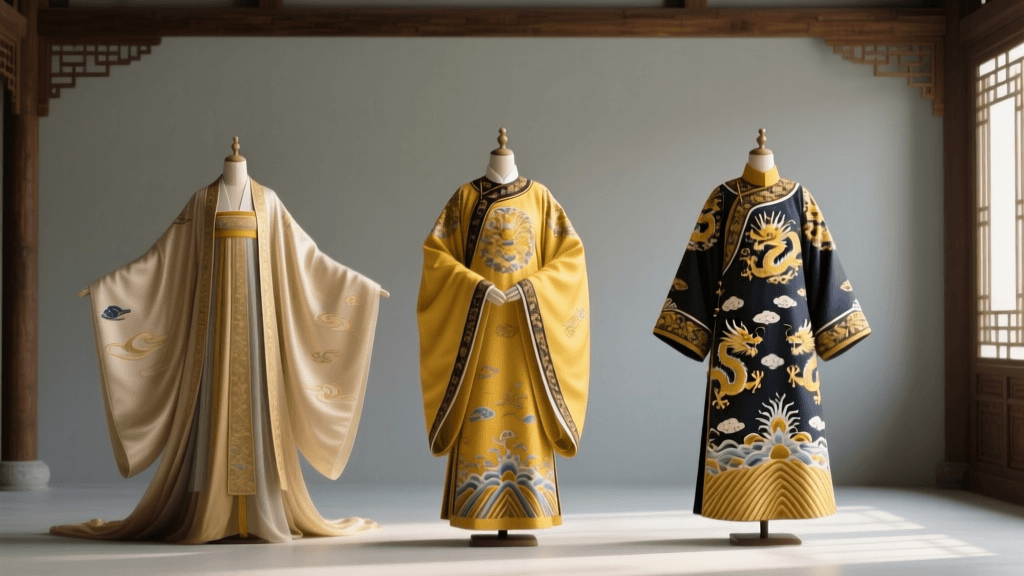
The Hanfu umbrella covers over 3,000 years of history, but modern revivalists generally categorize garments by their dynastic aesthetics. Here are the most accessible styles for beginners:
1. Tang Dynasty Ruqun (襦裙)
The Ruqun consists of a short top (ru) and a wrap-around skirt (qun). The Tang dynasty variation often features high-waisted skirts tied above the bust, creating a flowing, romantic silhouette. It is highly recommended for summer wear and beginners due to its forgiving fit and lightweight chiffon fabrics.
2. Ming Dynasty Aoqun (袄裙)
The Aoqun features a lined or padded jacket (ao) worn over a pleated skirt. Unlike the Tang Ruqun, the Ming Aoqun's collar is highly structured, and the jacket is worn on the outside of the skirt. This style is perfect for autumn and winter, often utilizing heavy brocades, wool blends, and intricate woven patterns. It offers a regal, dignified look that is very popular for formal events and weddings.
3. Song Dynasty Beizi (褙子)
The Beizi is a long, open-front coat with straight collars, worn over a camisole and skirt. The Song dynasty aesthetic is celebrated for its minimalism, slender silhouettes, and understated elegance. A Beizi is an excellent transitional piece for modern daily wear, as it can easily be layered over contemporary clothing like turtlenecks and pleated midi skirts.
4. Yuanlingpao (圆领袍)
The round-collar robe is a unisex garment that was prominent across the Tang, Song, and Ming dynasties. Fastened with buttons at the right shoulder, it is practical, easy to wear, and historically associated with scholars and officials. It is an excellent entry point for menswear or those seeking a more gender-neutral, structured look.
How to Measure Yourself for Hanfu
Unlike Western fast fashion, which relies on standardized S/M/L sizing based on bust and hip proportions, traditional Hanfu is tailored using a flat-cutting method. Garments are cut from rectangular pieces of fabric, meaning the fit is dictated by length and width rather than darts and curves. As noted in Sixth Tone's report on the Hanfu economy, the rise of custom Taobao shops has made made-to-measure Hanfu more accessible than ever. Here is how to take your measurements:
- Bust (Xiongwei): Measure around the fullest part of your chest. For cross-collar tops, add 5-10 cm to your actual measurement to ensure the fabric overlaps comfortably without gaping.
- Waist (Yaowei): Measure your natural waist. This is crucial for Ming dynasty skirts, which sit at the natural waist, unlike Tang skirts which sit at the bust.
- Skirt Length (Qunchang): Measure from your natural waist (or bust, for high-waisted skirts) down to the floor. Actionable Tip: Subtract 2 to 3 cm from this measurement so the hem grazes your ankles without dragging on the ground and collecting dirt.
- Arm Length (Xiucai): For traditional wide sleeves, measure from the C7 vertebra (the prominent bone at the base of your neck), over the shoulder, and down to your fingertips. For narrow, daily-wear sleeves, measure from the shoulder seam to your wrist bone.
Building Your Wardrobe: Brands and Budget
The Hanfu market is heavily centralized on Chinese e-commerce platforms like Taobao and Tmall. For international buyers, utilizing a shopping agent (such as Superbuy or Sugargoo) is the most reliable way to purchase authentic pieces. Cultural analysts at RadiiChina observe that the market has stratified into distinct tiers, catering to everyone from casual cosplay enthusiasts to strict historical reconstructionists.
| Brand Tier | Popular Brands | Price Range (USD) | Best For | Lead Time |
|---|---|---|---|---|
| Entry-Level | Shisanyu, Lanruo, Hanshang Hualian | $30 - $80 | Beginners, daily wear, festivals | In-stock (7-15 days) |
| Mid-Tier | Zhongling, Tingyue, Luqiong | $80 - $180 | Events, high-quality fabrics, accurate patterns | Pre-order (15-30 days) |
| High-End / Custom | Minghuatang, Kongque Heng | $200 - $800+ | Collectors, historical accuracy, luxury silks | Custom (1-6 months) |
Pro Tip: Many mid-tier and high-end brands operate on a 'pre-order' (Yushou) model to minimize fabric waste. You may need to pay a deposit upfront and wait several months for the final product. Always check the brand's official Weibo or Taobao announcements for pre-order windows.
Styling Hanfu for Modern Daily Life
Integrating Hanfu into a modern wardrobe requires a balance of traditional aesthetics and contemporary practicality. You do not need to wear elaborate historical wigs or heavy theatrical makeup to participate in the revival. In fact, 'Hanfu daily' (Hanfu Richang) is a massive subculture focused on wearability.
Footwear
While traditional cloud-patterned shoes (yunjian xie) or embroidered boots are beautiful, they are not mandatory. For Tang and Song dynasty skirts, modern Mary Janes, loafers, or even clean white sneakers pair beautifully and provide the arch support needed for walking on modern pavement. For Ming dynasty Aoqun, Chelsea boots or ankle boots hidden beneath the long pleated skirts are a popular, weather-resistant choice for winter.
Hair and Accessories
A simple half-up, half-down hairstyle secured with a wooden or jade hair stick (zan) is historically appropriate and takes less than five minutes. Avoid cheap, shiny plastic accessories; opt for carved wood, resin, or metal alloys that mimic antique finishes. A folding fan or a woven bamboo bag can complete the look while serving a practical purpose.
Layering for Climate
Traditional Hanfu was designed for specific historical climates. To wear it year-round, modern revivalists use clever layering. In the winter, wear thermal underwear beneath a Ming Aoqun, and add a modern wool cloak (doupeng) over the shoulders. In the summer, opt for Song dynasty Beizi made of breathable ramie or sheer organza, worn over a simple cotton camisole.
Conclusion
The Hanfu revival movement is more than just a fashion trend; it is a living, breathing reclamation of cultural heritage. By understanding the foundational rules of wear, taking accurate measurements, and investing in quality garments that suit your lifestyle, you can respectfully and beautifully participate in this global renaissance. Whether you are attending a traditional tea ceremony or simply walking through a modern city park, wearing Hanfu is a powerful way to carry history into the future.