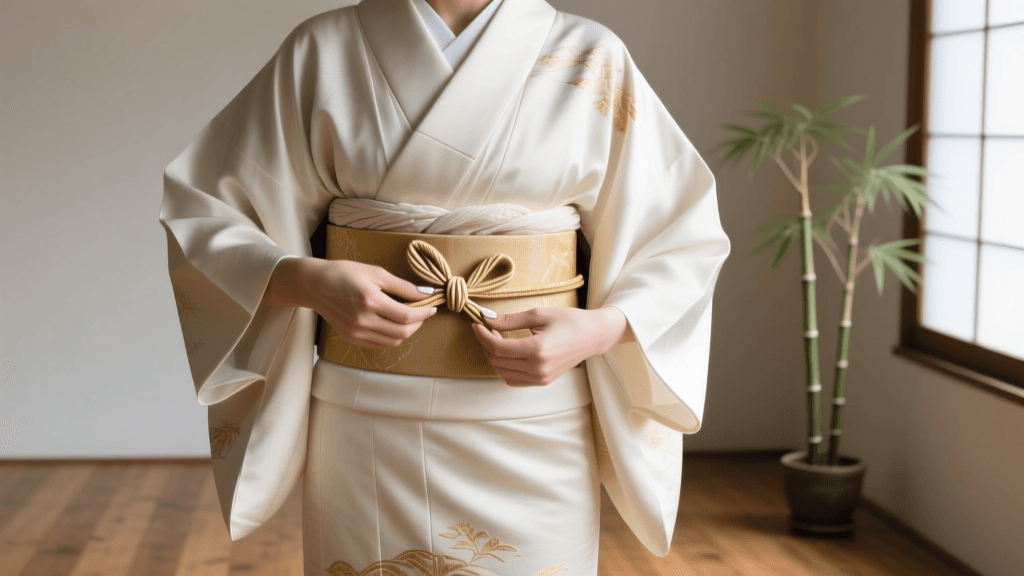
A Guide to Kimono Silk Fabrics: Chirimen, Rinzu, and Tsumugi
The Architecture of Silk: Understanding Kimono Craftsmanship
The Japanese kimono is far more than a simple garment; it is a canvas of meticulous craftsmanship, cultural heritage, and textile engineering. Unlike Western tailoring, which relies on complex curved cutting to fit the human form, the kimono is constructed from straight, rectangular cuts of fabric. This zero-waste philosophy begins with the tanmono, the standard bolt of cloth from which all traditional Japanese garments are born. According to the Japan National Tourism Organization, the kimono remains a vital symbol of Japanese aesthetics, evolving through centuries of artisanal refinement. For collectors, practitioners, and cultural enthusiasts, understanding the foundational fabrics is essential for authentic appreciation, proper wear, and informed purchasing.
The Big Three: Chirimen, Rinzu, and Tsumugi
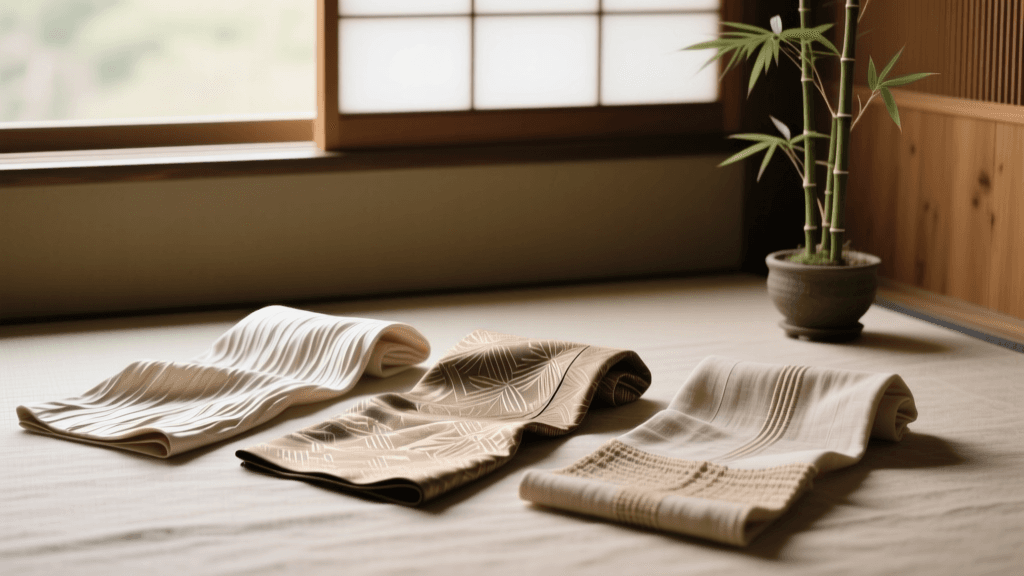
While cotton, hemp, and wool are used in Japanese clothing, silk remains the undisputed queen of formal and semi-formal kimono. Within the realm of silk, three distinct weaves dominate the landscape, each offering unique tactile and visual properties.
Chirimen (Crepe Silk): Texture and Drape
Chirimen, or silk crepe, is perhaps the most ubiquitous and beloved fabric in the kimono wardrobe. Its defining characteristic is its textured, slightly bumpy surface known as shibo. This texture is not woven into the fabric but is created during the yarn preparation and finishing processes. Artisans tightly twist the weft threads before weaving. Once the fabric is woven, it is boiled in hot water, which causes the tightly twisted threads to contract and pucker, creating the signature crepe effect. Chirimen is highly prized for its excellent drape, resistance to wrinkling, and ability to take on vibrant dyes. It is the primary canvas for Yuzen dyeing, a resist-dyeing technique that allows for the painting of intricate, pictorial designs. When shopping for vintage Chirimen, you will often find komon (everyday patterned kimono) ranging from $40 to $150, making it an accessible entry point for new collectors.
Rinzu (Satin Damask): Elegance and Sheen
If Chirimen is the workhorse of the kimono world, Rinzu is its aristocrat. Rinzu is a Japanese silk damask, characterized by its glossy, reflective surface and intricate woven patterns. Unlike the matte finish of Chirimen, Rinzu features a satin weave structure where the warp threads float over multiple weft threads, creating a luminous sheen. The patterns in Rinzu are not dyed but woven directly into the fabric using a Jacquard loom, a technology introduced to Japan during the Meiji period that revolutionized Nishijin-ori (Nishijin weaving) in Kyoto. The subtle, tone-on-tone woven motifs—often featuring auspicious symbols like cranes, pine trees, or flowing water—catch the light beautifully, making Rinzu the fabric of choice for formal occasions. Furisode (long-sleeved kimono for unmarried women) and high-grade tomesode are frequently crafted from heavy Rinzu. Due to the complexity of the weave and the high-quality silk required, bespoke Rinzu garments are a significant investment, often starting at $2,000 and reaching well over $8,000 for master-weaver pieces.
Tsumugi (Pongee): Rustic Charm and Durability
In stark contrast to the refined sheen of Rinzu, Tsumugi offers a rustic, earthy elegance. Tsumugi is a pongee silk, traditionally woven from hand-spun silk noil—the shorter, leftover fibers from the silk reeling process. Historically, Tsumugi was worn by commoners and merchants because the finest, continuous silk filaments were reserved for the samurai class and export. However, its understated beauty and incredible durability eventually made it a favorite among the cultural elite. The most famous variety, Yuki Tsumugi, is designated as an Important Intangible Cultural Property of Japan. The fabric is characterized by its slubby texture, matte finish, and remarkable warmth. Tsumugi is typically dyed using kasuri (ikat) techniques, where the threads are tie-dyed before weaving, resulting in slightly blurred, geometric patterns. Because of the intense manual labor required to hand-spin and hand-weave the yarns, authentic Yuki Tsumugi is exceptionally rare and expensive, with vintage pieces commanding $300 to $800, and new, certified sets exceeding $10,000.
Fabric Comparison Chart
| Fabric Type | Weave Structure | Texture and Handfeel | Best Use Case | Vintage Cost (USD) | Bespoke Cost (USD) |
|---|---|---|---|---|---|
| Chirimen | Plain weave with twisted weft | Matte, bumpy (shibo), excellent drape | Everyday wear, tea ceremony, Yuzen dyeing | $40 - $150 | $800 - $2,500 |
| Rinzu | Satin damask (Jacquard) | Glossy, smooth, heavy, luminous | Weddings, formal ceremonies, Furisode | $100 - $400 | $2,000 - $8,000+ |
| Tsumugi | Plain weave (hand-spun noil) | Slubby, matte, crisp, warm | Smart casual, cultural events, winter wear | $300 - $800 | $5,000 - $15,000+ |
Dyeing Techniques: Yuzen vs. Shibori
The base fabric is only half the story; the dyeing technique breathes life into the silk. As highlighted by the Kyoto Museum of Traditional Crafts, Kyo-Yuzen is the pinnacle of Japanese dyeing. This technique uses a rice-paste resist (itome-nori) to draw outlines on the fabric, preventing colors from bleeding into one another. This allows artisans to paint highly detailed, multi-colored scenes of nature directly onto Chirimen or Rinzu silk. Conversely, Shibori encompasses a wide range of manual resist-dyeing techniques, including stitching, binding, and clamping the fabric before dipping it in indigo or other dyes. Kanoko shibori (fawn-spot tie-dye) is incredibly labor-intensive, with a single adult furisode requiring hundreds of thousands of individual hand-tied knots, often taking over a year to complete.
Practical Guide: Buying, Measuring, and Pricing
Purchasing a kimono requires an understanding of traditional measurements. A standard tanmono bolt measures approximately 36 to 40 centimeters in width and 12 to 13 meters in length. Because the kimono is constructed from straight cuts, the maximum width of the garment is limited by the fabric bolt. If your hip measurement exceeds roughly 100 centimeters, a standard vintage kimono may not wrap comfortably, and you will need to seek out modern, wide-bolt (hiroi) fabrics.
When measuring yourself for a kimono, the most critical metric is the take-jime (length from the nape of the neck to the hem). A standard rule of thumb is to subtract 30 centimeters from your total height to find your ideal kimono length. For example, a person who is 165 cm tall should look for a kimono with a length of about 135 cm. When buying vintage, always check the sleeve drop (sode-take) and shoulder width (yuki). The Victoria and Albert Museum notes that historical garments often feature shorter sleeves and narrower widths, reflecting the smaller average stature of previous centuries. Always request flat-lay measurements from vintage sellers rather than relying on tagged sizes, which are virtually non-existent in traditional garments.
Care and Maintenance Action Plan
Silk kimono require specialized care to ensure they survive for generations. Never store your silk garments in plastic bags, as silk is a protein fiber that needs to breathe; plastic traps moisture and invites mold. Instead, wrap your kimono in tatoushi, traditional acid-free washi paper wrappers, and store them flat in a drawer made of paulownia wood (kiri), which naturally regulates humidity and repels insects.
If your garment becomes soiled, do not attempt to wash it at home. Water can cause the silk fibers to shrink, ruin the shibo texture of Chirimen, and cause dyes to bleed. Instead, take the garment to a professional kimono cleaner and request a maru-arai (full garment wash). This specialized dry-cleaning process typically costs between $80 and $150 and takes four to six weeks. For minor, localized stains, spot cleaning by a professional is a more cost-effective option, usually priced around $40 to $60. Finally, after wearing your kimono, hang it on a specialized wide wooden kimono hanger (emono) in a well-ventilated room for 24 hours to allow sweat and moisture to evaporate before folding it away.