Anime Cosplay: Styling Traditional Japanese Garments
The Intersection of Anime and Traditional Japanese Fashion
The global explosion of anime and manga has done more than just popularize Japanese storytelling; it has sparked a massive renaissance in traditional Japanese fashion. Series like Demon Slayer (Kimetsu no Yaiba), Jujutsu Kaisen, and Rurouni Kenshin frequently feature characters adorned in meticulously designed historical garments, blending Edo, Meiji, and Taisho-era aesthetics with modern fantasy elements. For cosplayers, replicating these looks offers a unique challenge: balancing historical authenticity with the practical demands of convention wear.
According to the Victoria and Albert Museum, the kimono is not merely a static historical artifact but a dynamic garment that has continuously evolved, heavily influencing global fashion and pop culture. When cosplayers adopt these silhouettes, they are participating in a centuries-old sartorial tradition. This guide will break down how to source, assemble, and style traditional Japanese garments for anime cosplay, ensuring you look accurate while surviving a long weekend on the convention floor.
Essential Garments for Anime Cosplay
Kimono, Yukata, and Kosode
The foundational garment of traditional Japanese dress is the kimono. However, in anime, you will often see variations like the yukata (a lightweight, unlined cotton garment worn in summer) or the kosode (a historical predecessor with smaller sleeve openings, often worn by samurai or monks).
- Demon Slayer: Tanjiro Kamado’s iconic black-and-green checkered pattern is a stylized haori (jacket) worn over a standard kimono and hakama. His sister Nezuko wears a traditional hemp-leaf (asanoha) patterned kimono, symbolizing growth and protection.
- Inuyasha: The titular character wears a suikan or hunting robe, which functions similarly to a kosode but is tailored for mobility and combat, often left open at the chest.
Hakama and Haori
The hakama are wide, pleated trousers traditionally worn over a kimono. As noted by The Metropolitan Museum of Art, hakama were originally worn by high-ranking courtiers and samurai to conceal foot movements during martial arts or combat. Today, they are a staple for cosplaying swordsmen, shrine maidens (miko), and martial artists.
- Jujutsu Kaisen: While the students wear modernized uniforms, characters like Kento Nanami and the historical flashbacks feature high-collared jackets and hakama blends that reflect late Meiji and Taisho-era working dress.
- Rurouni Kenshin: Kenshin’s iconic red and white hakama and haori combination is historically rooted in the bakumatsu period, representing the transitional fashion of the 1860s.
Sourcing and Budgeting for Cosplay Garments
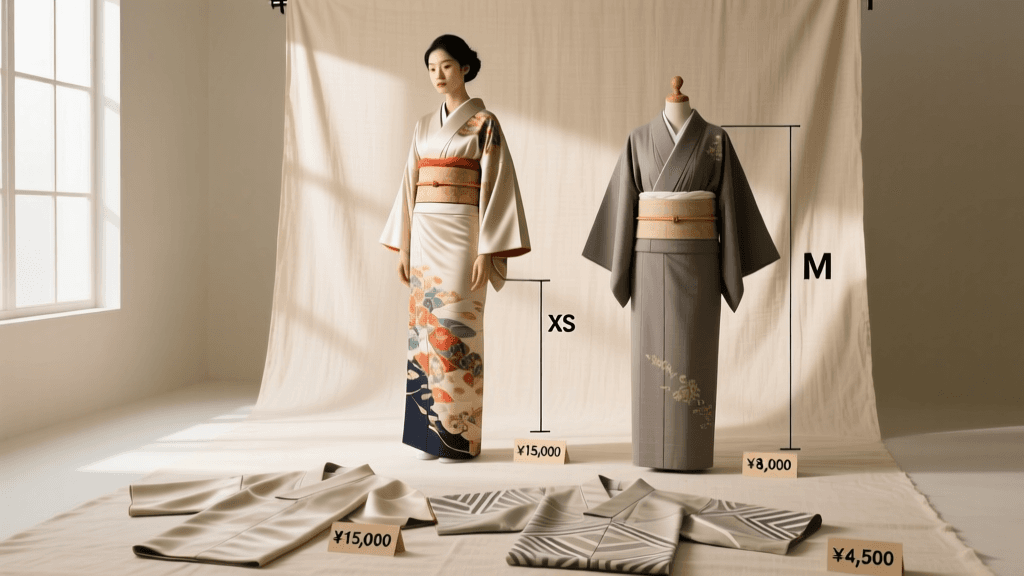
One of the most common mistakes anime cosplayers make is buying cheap, polyester "costume" kimonos from fast-fashion retailers. These garments lack the proper drape, weight, and structural integrity of real Japanese clothing. Instead, consider the following sourcing methods to achieve an authentic silhouette.
| Sourcing Method | Estimated Cost (USD) | Authenticity Level | Convention Durability |
|---|---|---|---|
| Authentic Vintage (Recycled Kimono) | $40 - $150 | Highest | Moderate (Silk requires care) |
| Modern Cosplay Retailers (Polyester) | $60 - $120 | Low (Poor drape) | High (Machine washable) |
| Custom Tailored (Cotton/Linen) | $200 - $400+ | High | High (Breathable, durable) |
| Japanese Rental Services (Shipping) | $80 - $150 + Shipping | Highest | N/A (Must be returned) |
Pro-Tip: Websites specializing in recycled Japanese kimono (such as Ichiroya or various eBay sellers based in Osaka and Kyoto) offer authentic silk and cotton garments for a fraction of their original retail price. A vintage silk haori can often be found for under $50 and will elevate your cosplay instantly.
Practical Assembly and Convention Survival
Wearing a kimono or hakama correctly requires specific undergarments and ties. If you attempt to wear a kimono like a bathrobe, the collar will gape, and the garment will slip during a photoshoot.
The Layering System
- Hadajuban and Juban: These are the undergarments. The hadajuban is a thin undershirt, while the juban is a secondary kimono worn underneath to protect the outer silk from sweat. For cosplay, a simple cotton V-neck shirt and a mock-juban collar (available online) can save you from heat exhaustion.
- Koshihimo: These are long, thin ties used to secure the kimono at the waist and hips before the obi is tied. You will need at least three to five koshihimo for a secure fit.
- Datejime: A wide, elastic or silk band tied over the koshihimo to smooth out wrinkles and provide a firm base for the obi.
The Obi and Convention Hacks
The obi is the wide belt that secures the kimono. Traditional women's obi (like the fukuro or maru obi) can be up to 4 meters long and require complex tying techniques. For male cosplayers or characters wearing casual wear, a hanhaba obi (half-width obi) or a stiff kaku obi is standard.
Convention Hack: Tying a traditional obi knot (musubi) takes practice and can easily come undone in a crowded convention hall. Many experienced cosplayers pre-tie their obi using a stiff interfacing or cardboard insert, attach it to a hidden velcro belt, and simply slip it over the secured kimono. This saves 20 minutes of dressing time and prevents wardrobe malfunctions.
Footwear: Tabi, Zori, and Geta
Complete the look with tabi (split-toe socks). For footwear, zori (flat sandals made of cloth or vinyl) are comfortable for walking, while geta (elevated wooden clogs) offer a striking, historically accurate silhouette for characters like Muzan Kibutsuji. However, geta can cause severe blistering after a few hours. If you must wear geta, apply moleskin to the thong area and limit wear to photoshoots only.
Modifying Traditional Garments for Safety and Mobility
Traditional kimono sleeves (furisode or standard sleeves) can easily drag on the floor or knock over props and merchandise in a crowded dealer's hall. To modify your garment for convention safety:
- Sleeve Tucking: Use small, hidden safety pins to tack the back of the sleeves to the body of the kimono, creating a makeshift pocket and preventing them from dipping into food or getting caught in escalators.
- Hem Adjustment: A standard women's kimono is approximately 142 cm (56 inches) in length. If you are shorter, do not cut the silk. Instead, fold the excess fabric up at the waist and secure it with an extra koshihimo tie hidden beneath the obi. This traditional folding method is called ohashori.
- Hakama Pleat Care: Hakama rely on sharp pleats to look correct. If your vintage hakama has lost its pleats, use a steam iron and binder clips to re-press them before the convention. Store the hakama rolled up, not folded, to maintain the lines.
Cultural Appreciation in the Cosplay Community
When wearing traditional Japanese garments, it is vital to approach the culture with respect. Cosplay is widely celebrated in Japan as a form of artistic expression and a significant economic driver. As reported by The Japan Times, the intersection of traditional dress and modern pop culture exhibitions has helped revitalize interest in the kimono among younger generations both domestically and internationally.
To ensure your cosplay is respectful:
- Keep the Collar Correct: Always wrap the left side of the kimono over the right side. Wrapping right-over-left is strictly reserved for dressing the deceased in Japanese funerary rites.
- Avoid Sacred Misuse: Be mindful when cosplaying shrine maidens (miko). The red hakama and white haori hold spiritual significance in Shinto. Treat the garments with care and avoid wearing them in inappropriate or overly revealing contexts.
- Learn the Terminology: Understanding the difference between a kimono, yukata, and haori shows a deeper appreciation for the craftsmanship and history behind the garments you are wearing.
By investing time in understanding the construction, history, and proper wearing techniques of traditional Japanese garments, anime cosplayers can create stunning, accurate, and respectful tributes to their favorite characters. Whether you are wielding a Nichirin sword or channeling cursed energy, a properly worn hakama or haori will elevate your cosplay from a simple costume to a wearable piece of art.