Celebrity Kimono Trends: Modern Styling & Streetwear
The Global Runway Meets Traditional Japanese Garments
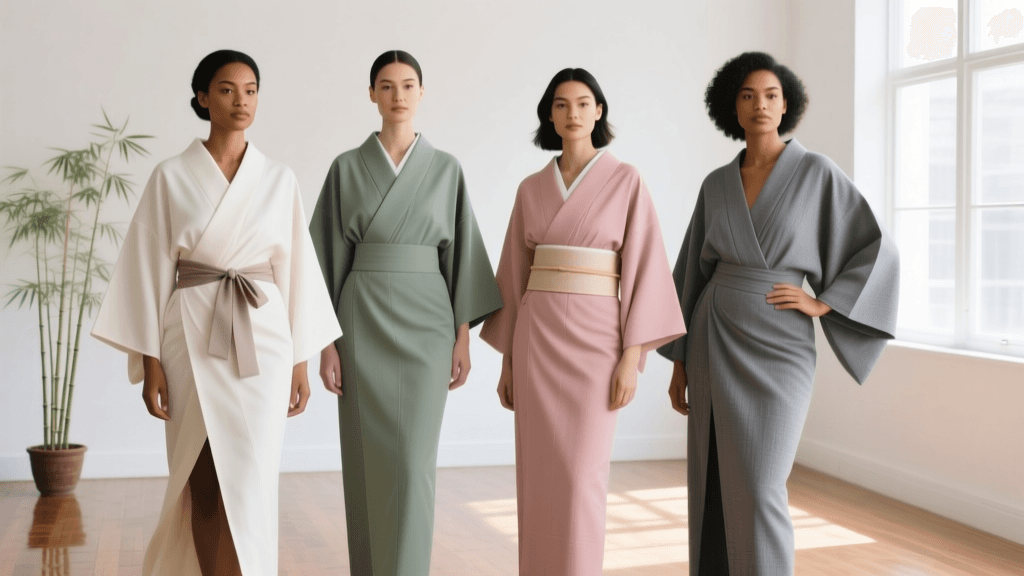
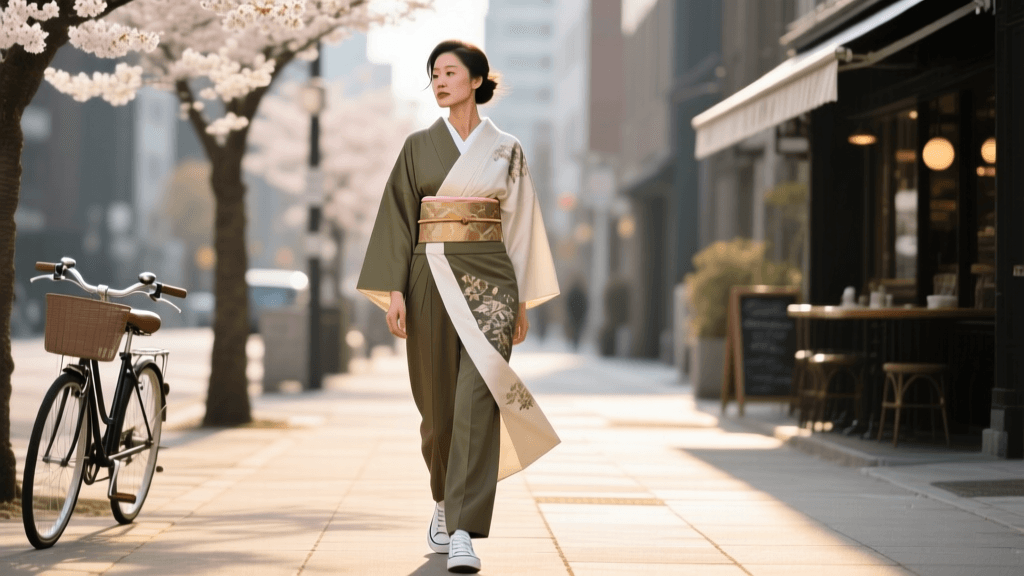
The kimono has transcended its historical boundaries, evolving from a strictly codified traditional garment into a dynamic staple of global high fashion and streetwear. Today, A-list celebrities, avant-garde musicians, and Tokyo-based influencers are redefining how the world interacts with Japanese textiles. No longer confined to formal ceremonies or seasonal festivals, the kimono is being deconstructed, layered, and remixed with Western silhouettes to create breathtaking editorial and everyday looks.
This sartorial shift was masterfully documented in the Victoria and Albert Museum's 'Kimono: Kyoto to Catwalk' exhibition, which highlighted how the garment's T-shaped silhouette and flat pattern-making techniques have profoundly influenced global designers. From Alexander McQueen to Rei Kawakubo, the kimono's structural genius has paved the way for modern fashion's most iconic moments. But how are today's digital influencers and street-style icons translating these runway concepts into wearable, everyday fashion? And more importantly, how can you replicate these looks?
According to a comprehensive BBC Culture analysis on the kimono's global fashion impact, the modern appeal lies in the garment's fluidity and its ability to act as a canvas for personal expression. Influencers are bypassing the rigid rules of traditional kitsuke (the art of wearing kimono) in favor of hybrid styling that prioritizes comfort, gender inclusivity, and bold visual contrasts.
Deconstructing the Influencer Kimono Look
To master the celebrity kimono trend, you must understand the core components being repurposed by modern stylists. The two most frequently utilized garments in street-style crossovers are the haori (a hip- or thigh-length jacket) and the obi (the wide sash used to tie a kimono). By isolating these pieces, influencers create striking juxtapositions between centuries-old craftsmanship and contemporary urban apparel.
The Haori and Streetwear Crossover
The haori is the ultimate entry point for kimono streetwear. Unlike the full kimono, which requires complex wrapping and tying, the haori is designed to be worn open, functioning much like a Western duster coat or cardigan. Influencers frequently layer vintage silk haori over graphic tees, distressed denim, or even modern athleisure.
- Standard Haori: Typically falls at the hip (approx. 80cm in length). Best paired with high-waisted trousers or midi skirts to maintain proportion.
- Nagabaori (Long Haori): Falls below the knee (approx. 100-110cm). This is the preferred choice for high-fashion editorials and is often worn over slip dresses or wide-leg palazzo pants for a dramatic, flowing silhouette.
- Styling Tip: Use a haori himo (the decorative front tie) to cinch the jacket slightly at the waist, or let it hang completely open to showcase the interior lining, which often features hidden, intricate artisan paintings.
The Obi Belt as a Statement Corset
Perhaps the most revolutionary trend popularized by fashion influencers is the repurposing of the obi belt. Traditionally used to secure the kimono, the obi is now being worn over Western clothing—such as blazers, trench coats, and oversized button-down shirts—to cinch the waist and add a structural, corset-like element to the outfit.
For this look, influencers favor the hanhaba obi (half-width obi), which measures exactly 15cm in width and about 3.5 meters in length. It is flexible, easier to tie without professional assistance, and provides a sleek, modern profile that doesn't overwhelm the wearer's frame. A vintage brocade hanhaba obi can cost anywhere from $45 to $150, making it an accessible luxury accessory that instantly elevates a basic monochrome outfit.
Sourcing Your Pieces: Vintage vs. Modern Artisan
As noted by the Metropolitan Museum of Art's Heilbrunn Timeline of Art History, the kimono is inherently tied to the Japanese aesthetic of valuing both the natural world and meticulous craftsmanship. When sourcing pieces to build your streetwear wardrobe, you generally have three avenues: vintage markets, modern artisan boutiques, and specialized rental services. Below is a comparative guide to help you navigate your purchasing decisions.
| Garment Type | Best For | Average Cost (USD) | Sourcing Location & Tips |
|---|---|---|---|
| Vintage Silk Haori | Everyday streetwear, layering over denim | $60 - $250 | Online vintage curators (e.g., Etsy, specialized Japanese export sites). Look for 'shibori' (tie-dye) silk for texture. |
| Modern Cotton Yukata | Summer festivals, casual gender-neutral styling | $80 - $180 | Direct from Kyoto artisans or modern brands like Wataru. Opt for muted, geometric prints for a contemporary edge. |
| Upcycled Brocade Obi | Waist cinching over blazers and coats | $45 - $150 | Vintage kimono recyclers. Ensure the fabric is stiff enough to hold a bow or knot without collapsing. |
| Platform Geta Sandals | Editorial shoots, avant-garde clubwear | $90 - $300 | Harajuku boutique imports. Look for adjustable velvet hanao (straps) for better foot support. |
Step-by-Step: Recreating the 'Harajuku Editorial' Look
Ready to build an outfit that mirrors the cover of a Tokyo street-style magazine? Follow this actionable, step-by-step tutorial to achieve the highly sought-after 'Harajuku Editorial' look, which blends traditional layering with punk and goth influences.
- The Base Layer: Start with a form-fitting, high-neck black turtleneck and a pleated midi skirt or tailored wide-leg trousers. This provides a sleek, modern canvas that contrasts beautifully with ornate textiles.
- The Juban Alternative: Traditionally, a juban (under-kimono) is worn to protect the silk. For a streetwear look, substitute this with a crisp, white oversized button-down shirt. Leave the collar popped and the cuffs unbuttoned so they extend past the sleeves of your outer layer.
- The Main Event: Drape a vintage, dark-toned kimono (such as a deep indigo or charcoal grey with subtle silver embroidery) over the base. Instead of wrapping it tightly in the traditional right-over-left configuration, wear it loose and open, allowing the white shirt collar and cuffs to frame the dark silk.
- Cinching the Silhouette: Take a black leather belt or a dark, stiff hanhaba obi and wrap it tightly around your natural waist over the open kimono. This prevents the garment from looking like a bathrobe and instead transforms it into a structured, avant-garde duster coat.
- The Hardware: Accessorize with chunky silver jewelry. Layered necklaces and multiple ear cuffs bridge the gap between Edo-period elegance and modern punk aesthetics.
Footwear and Accessories: Grounding the Look
No celebrity kimono trend is complete without addressing footwear. The intersection of traditional Japanese footwear and Western bootmaking has created a massive niche in the luxury market. The most prominent example is the Maison Margiela Tabi boot. Inspired by the split-toe design of traditional tabi socks, these boots (retailing between $900 and $1,200) are a favorite among influencers pairing kimono jackets with Western streetwear.
For a more authentic yet modernized approach, look for modernized geta or zori sandals featuring thick, platform soles made from lightweight EVA foam rather than traditional heavy wood. These platforms add height, improve the drape of wide-leg trousers or kimono hems, and provide the shock absorption necessary for navigating concrete city streets. Expect to pay around $120 for high-quality, modernized platform zori from specialized Tokyo footwear brands.
Conclusion: Respecting the Craft While Breaking the Rules
The celebrity and influencer kimono trend is not about erasing history; it is about ensuring its survival through adaptation. By understanding the measurements, textiles, and structural purpose of garments like the haori and obi, fashion enthusiasts can respectfully integrate these masterpieces into their modern wardrobes. Whether you are cinching a brocade obi over a tailored suit for a gallery opening, or throwing a vintage silk haori over a hoodie for a night out in the city, you are participating in a global sartorial dialogue that honors the artisan while embracing the future of fashion.