Samue and Jinbei: A Guide to Everyday Japanese Casual Wear
Introduction to Japanese Everyday Casual Wear
When the world thinks of traditional Japanese clothing, the elaborate silk kimono or the formal hakama immediately come to mind. However, the reality of everyday Japanese dress—both historically and in the modern era—is rooted in practicality, comfort, and breathability. For contemporary residents of Japan and global enthusiasts of Asian traditions, the true stars of everyday casual wear are the samue and the jinbei. These garments bridge the gap between historical workwear and modern streetwear, offering a masterclass in functional design. According to the Kyoto Costume Museum, the evolution of Japanese clothing has always been driven by the needs of the working class, leading to the development of garments that prioritize ease of movement and climate adaptation.
This comprehensive guide explores the history, modern applications, and practical buying advice for samue and jinbei, helping you integrate these traditional garments into your everyday casual and loungewear wardrobe.
What is Samue? From Monastic Roots to Modern Loungewear
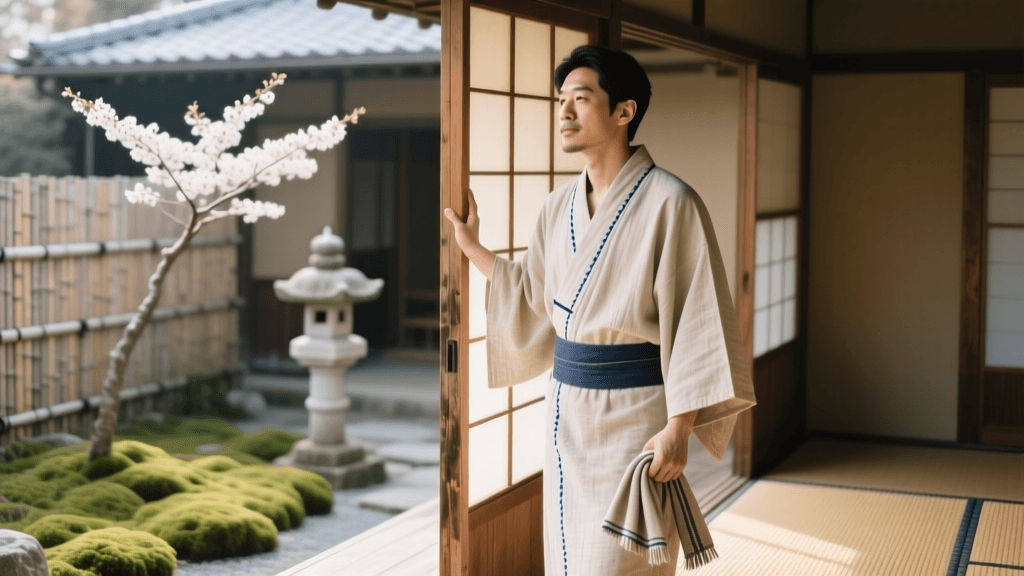
The samue (作務衣) translates literally to 'clothing for work' or 'clothing for chores.' Historically, it was the everyday workwear of Zen Buddhist monks. Monks engaged in samu—physical labor such as sweeping temple grounds, chopping wood, and farming—required garments that were durable, allowed for a full range of motion, and were easy to clean. The traditional samue consists of a long-sleeved, wrap-front jacket tied at the waist, paired with loose-fitting trousers that are gathered at the ankle or calf.
Today, the samue has transcended its monastic origins to become a staple of Japanese loungewear, work-from-home attire, and casual streetwear. Artisans, potters, chefs, and even modern tech workers in Japan frequently wear samue because it provides the comfort of pajamas with the dignified, structured silhouette of traditional Japanese dress. The wrap design and lack of restrictive buttons or zippers make it universally flattering and incredibly easy to put on.
What is Jinbei? The Ultimate Summer Streetwear
If samue is the king of year-round comfort, the jinbei (甚平) is the undisputed champion of Japanese summer fashion. Originating in the Edo period, the jinbei evolved from the jinbei-jima, a type of short-sleeved haori worn by samurai and commoners alike. The name is also playfully linked to the whale shark (jinbei-zame), as the traditional indigo-and-white spotted or striped patterns of the fabric resembled the skin of the gentle giant.
A modern jinbei consists of a short-sleeved, wrap-front top and matching shorts. The defining feature of a high-quality jinbei is the presence of machi—small side slits or gussets at the hem of the top and the sides of the shorts. These slits allow for maximum airflow, making the jinbei an essential survival tool during Japan's notoriously hot and humid summers. As noted in Tofugu's comprehensive guide to Japanese summer fashion, the jinbei is the go-to outfit for attending summer fireworks festivals (hanabi taikai), carrying portable fans, and enjoying street food at local matsuri (festivals).
Samue vs. Jinbei: A Structured Comparison
To help you decide which garment suits your lifestyle, here is a direct comparison of the samue and jinbei across key practical metrics.
| Feature | Samue | Jinbei |
|---|---|---|
| Primary Season | Year-round (fabric dependent) | Summer (June - September) |
| Sleeve Length | Long or three-quarter sleeves | Short sleeves |
| Bottom Style | Long pants, gathered at ankle | Shorts, above the knee |
| Ventilation | Moderate (relies on fabric weave) | High (features side slits/machi) |
| Best Occasion | Loungewear, WFH, artisan work, casual dining | Summer festivals, beachwear, sleeping, casual outings |
| Average Cost | ¥4,000 - ¥15,000 | ¥2,500 - ¥10,000 |
Practical Buying Guide: Sizing, Fabrics, and Costs
Purchasing traditional Japanese casual wear requires an understanding of regional textiles and Japanese sizing conventions. Whether you are buying online from a Japanese retailer or shopping in a department store in Tokyo, these details are crucial.
Fabric Choices for Year-Round Comfort
The fabric dictates the seasonality and price of your garment. Look for these traditional textiles when shopping:
- Wazarashi Cotton: A traditional Japanese cotton that is slowly boiled and washed to remove impurities. It is incredibly soft, highly absorbent, and becomes more comfortable with every wash. Ideal for both samue and jinbei.
- Shijira-ori: Originating from the Awa region (Tokushima), this fabric features a distinctive seersucker-like crepe texture. The uneven surface prevents the fabric from clinging to sweaty skin, making it the premium choice for summer jinbei.
- Kurume-gasuri: A traditional ikat-woven cotton from Fukuoka. Known for its deep indigo dyes and intricate geometric patterns, Kurume-gasuri is highly durable and often used for premium, year-round samue.
- Linen (Asa):strong> Pure ramie or linen blends are increasingly popular for high-end summer samue, offering excellent thermoregulation and a crisp, elegant drape.
Sizing and Measurements
Japanese casual wear typically uses an alpha sizing system (M, L, LL/XL) based on height and waist measurements rather than precise tailoring. The wrap-front design offers significant flexibility. Refer to this general sizing chart for men's and unisex garments:
- Size M: Fits Height 165–175 cm | Waist 76–84 cm | Jacket Length ~72 cm
- Size L: Fits Height 175–185 cm | Waist 84–94 cm | Jacket Length ~76 cm
- Size LL (XL): Fits Height 180–190 cm | Waist 94–104 cm | Jacket Length ~80 cm
Pro Tip: The trousers for both samue and jinbei usually feature an elastic waistband with an internal drawstring, accommodating a wide range of body types comfortably.
Cost and Where to Buy
Your budget will determine the level of craftsmanship you receive. For budget options (¥2,000 - ¥4,000), mainstream brands like Uniqlo, Muji, and Workman offer mass-produced cotton and polyester blends that are great for basic loungewear. For mid-range options (¥5,000 - ¥12,000), specialty retailers like Samue Japan or Waplus offer authentic Wazarashi cotton and regional weaves. For artisan investment pieces (¥15,000 - ¥30,000+), seek out hand-dyed Kurume-gasuri or Awa-ai (natural indigo) samue from specialized craft cooperatives, which offer unparalleled durability and fade beautifully over time. For more general context on where to find traditional garments, Japan Guide's section on traditional clothing offers excellent directories for regional shopping districts.
How to Style Samue and Jinbei for Modern Streetwear
While traditionally worn with bare feet or simple sandals, modern styling allows for immense creativity. To transition your jinbei from a neighborhood convenience store run to a stylish evening out in Kyoto or Tokyo, consider the following styling cues:
- Footwear: Swap traditional wooden geta for modern minimalist sneakers (like Converse Jack Purcells or New Balance 990s) or leather slide sandals (like Birkenstocks). This grounds the traditional silhouette in contemporary streetwear.
- Layering: In cooler autumn months, a samue jacket can be worn open over a plain white or black heavyweight cotton t-shirt, functioning similarly to a casual cardigan or chore coat.
- Accessories: Tie a tenugui (traditional cotton towel) around your neck or head for a classic artisan look. Carry a kinchaku (drawstring bag) made of matching indigo fabric to hold your phone and wallet, as traditional garments lack deep pockets.
Care and Maintenance
Proper care ensures that natural dyes and traditional weaves last for decades. Always check the care label, but follow these general rules for cotton and linen samue and jinbei:
- Washing: Hand wash in cold water or use the delicate cycle on your washing machine. Place the garment in a mesh laundry net to prevent the ties from tangling or stretching.
- Detergent: Use a mild, neutral detergent. Avoid bleach or optical brighteners, especially for indigo-dyed (ai-zome) garments, as they will strip the natural color.
- Drying: Never tumble dry. The high heat will shrink the cotton and damage the elastic waistbands. Smooth out the wrinkles by hand and hang dry in a shaded, well-ventilated area. Direct sunlight will cause natural indigo and plant dyes to fade prematurely.
- Ironing: If using Shijira-ori (crepe), do not iron, as you will flatten the textured weave. For standard cotton samue, iron on a medium setting while the fabric is still slightly damp.
Conclusion
The samue and jinbei represent the best of Asian traditional garment philosophy: a perfect harmony of form, function, and climate responsiveness. By understanding the regional textiles, proper sizing, and modern styling techniques, you can seamlessly integrate these historic garments into your daily life. Whether you are working from home in a comfortable cotton samue or attending a vibrant summer festival in a breezy shijira-ori jinbei, you are participating in a living, breathing tradition of everyday Japanese elegance.