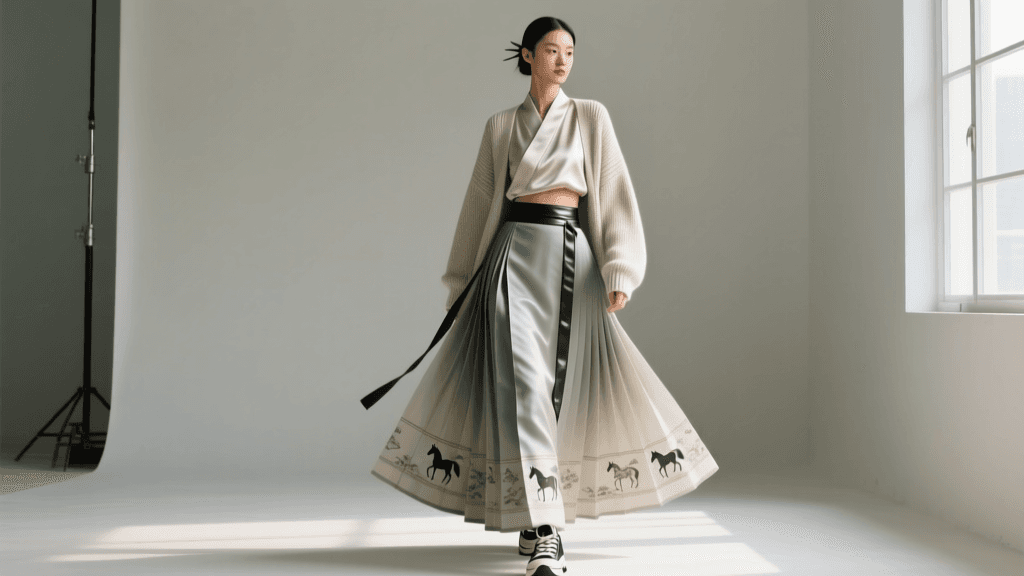
Hanfu Layering Guide: Inner Garments and Structural Basics
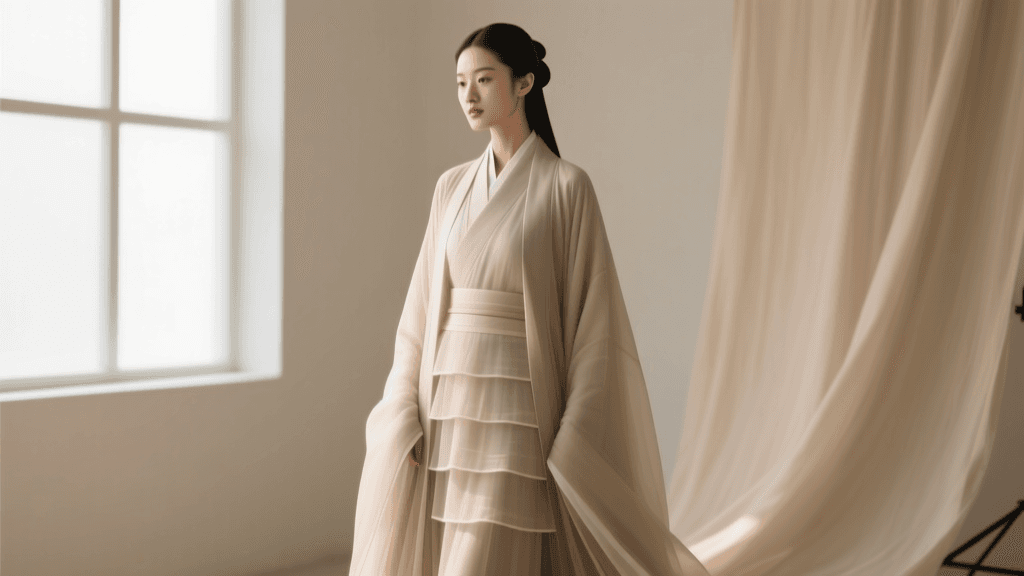
The Foundation of Elegance: Understanding Hanfu Layers
When we think of traditional Chinese clothing, the mind often drifts to the sweeping, embroidered silk robes and dramatic wide sleeves seen in historical dramas. However, the true beauty and structural integrity of Hanfu do not come from the outermost layer alone. Hanfu is an architectural system of garments, deeply rooted in Confucian ideals of modesty, propriety, and harmony. To wear Hanfu authentically, one must understand the foundational layers that create its iconic silhouette. Without the proper undergarments and middle layers, the outer robes will lack volume, drape incorrectly, and fail to achieve the traditional aesthetic.
The revival of Hanfu in the 21st century has brought immense attention to outer garments, but seasoned enthusiasts and historical reenactors know that the magic lies beneath. According to textile archives and historical analyses provided by the Metropolitan Museum of Art's Heilbrunn Timeline of Art History, the use of specific inner textiles like ramie and silk was essential not just for comfort, but for maintaining the rigid, elegant lines expected in traditional Chinese dress. This comprehensive guide will break down the structural basics of Hanfu layering, offering actionable advice on measurements, fabric choices, and the crucial art of the 'peeking collar.'
The Core Layers: Neiyi, Zhongyi, and Waiyi
The traditional Hanfu ensemble is divided into three primary categories of layering: the inner layer (Neiyi), the middle layer (Zhongyi), and the outer layer (Waiyi). Each serves a distinct functional and aesthetic purpose.
Neiyi: The Inner Garments
The Neiyi is the base layer worn directly against the skin. In ancient times, this layer was crucial for sweat absorption and protecting the more expensive, harder-to-wash outer silks from body oils. For women, this typically includes the Moxiong (a tube top or bustier) or the Dudou (a traditional halter-neck diamond-shaped garment). For men and women alike, the base layer includes Ku (traditional split-crotch or closed-crotch trousers) or a Qun (inner slip skirt). The Neiyi ensures modesty, particularly when the outer layers shift during movement or when sitting.
Zhongyi: The Structural Middle Layer
The Zhongyi is the unsung hero of the Hanfu wardrobe. It is a lightweight, long-sleeved inner robe that acts as a structural bridge between the skin and the outer garments. Typically made of white or off-white fabric, the Zhongyi serves two main purposes: it provides a comfortable barrier that absorbs perspiration, and it creates the iconic layered collar effect. The collar of the Zhongyi is designed to sit slightly higher than the outer robe, framing the face and adding a crisp, clean line to the neckline.
Waiyi: The Outer Statement
The Waiyi encompasses the visible outer garments, such as the Ruqun (jacket and skirt), Shenyi (deep robe), or Beizi (outer coat). These garments are crafted from heavier, more ornate fabrics like brocade, damask, or embroidered silk. The Waiyi relies entirely on the Zhongyi beneath it to provide the necessary friction and structure to stay in place and drape correctly.
Structural Basics: Building the Traditional Silhouette
The silhouette of traditional Chinese clothing is distinctly different from Western historical dress. While Western corsetry and crinolines manipulate the body's natural shape to create an hourglass figure, Hanfu relies on flat, geometric cutting and strategic layering to create an A-line or H-line silhouette that obscures the body's natural curves, reflecting traditional modesty.
The Rule of Jiaoling Youren
The most critical structural rule in Hanfu is Jiaoling Youren, which translates to 'cross-collar, right over left.' The left side of the collar must always cross over the right side, forming a 'y' shape at the neckline. The right side of the garment is wrapped first, and the left side is folded over it. Reversing this (left over right) is historically reserved for the deceased and is considered highly inauspicious in traditional culture.
The Art of Bailing (The Peeking Collar)
Bailing refers to the intentional layering of collars. When wearing a Zhongyi beneath an outer robe, the white collar of the Zhongyi should 'peek' out above the outer collar by exactly 1 to 2 centimeters. This creates a striking visual contrast and proves to observers that the wearer is properly layered. To achieve this, the Zhongyi must have a slightly tighter neckline than the Waiyi, and the wearer must carefully adjust the collars before securing the garment with a waist tie or sash.
Data Table: The Hanfu Layering System
To help you build your own authentic ensemble, refer to the layering chart below. This table outlines the standard progression of garments, their primary functions, and the best fabrics to use for each layer.
| Layer | Garment Type | Primary Function | Recommended Fabric | Estimated Cost (USD) |
|---|---|---|---|---|
| Base (Neiyi) | Moxiong / Dudou / Ku | Modesty, sweat absorption, skin protection | Soft cotton, bamboo viscose, linen blends | $10 - $25 |
| Middle (Zhongyi) | Inner Robe / Inner Jacket | Structural base, collar framing (Bailing) | White cotton, ramie, light silk habotai | $20 - $50 |
| Outer (Waiyi) | Ruqun / Shenyi / Beizi | Visual statement, warmth, social signaling | Silk brocade, jacquard, heavy linen, wool | $60 - $200+ |
| Accessory | Yaodai (Waist Tie) / Gongtiao | Securing layers, defining the waistline | Silk ribbons, woven cotton, leather | $5 - $30 |
Seasonal Fabric Selection for Inner Garments
China's diverse climate, ranging from the humid, sweltering summers of the south to the biting, dry winters of the north, necessitated a highly adaptable approach to textile layering. Choosing the right fabric for your Zhongyi and Neiyi is essential for comfort and historical accuracy.
Summer Layering: Breathability is Key
In the summer months, the goal is to prevent the outer silk layers from clinging to the skin while allowing air circulation. The best fabric for a summer Zhongyi is Xia Bu (summer cloth), a traditional Chinese ramie textile. Ramie is highly breathable, naturally antibacterial, and becomes softer with each wash. If ramie is difficult to source, a lightweight, unbleached linen or a crisp cotton-linen blend is an excellent alternative. Avoid synthetic fabrics like polyester for inner layers, as they will trap heat and cause excessive sweating, which can damage your outer silk garments.
Winter Layering: Insulation and Volume
Winter Hanfu requires structural insulation. The Zhongyi in winter is often replaced or supplemented by a Jia Ao (padded inner jacket). These jackets are quilted with cotton or silk floss to provide warmth without adding excessive bulk that would ruin the drape of the outer robe. Major cultural institutions, such as the Victoria and Albert Museum, preserve historical examples of Qing and Ming dynasty padded garments that showcase the intricate quilting techniques used to trap heat. For modern wearers, a flannel-backed cotton Zhongyi or a lightweight merino wool inner layer can provide necessary warmth while maintaining a smooth surface for the outer Waiyi.
Actionable Sizing and Measurement Guide
Unlike modern Western clothing, which is tailored to hug the body's contours, Hanfu is cut using flat, rectangular panels. This means that fit is determined more by the length of the garments and the placement of the ties than by complex darts and seams. However, getting the measurements right for your Zhongyi is crucial for a comfortable fit.
- Bust/Chest Ease: When measuring your bust or chest for a Zhongyi, add at least 10 to 15 centimeters (4 to 6 inches) of ease. The middle layer must be loose enough to allow for deep breathing and movement, but not so voluminous that it creates unsightly lumps under the outer robe.
- Sleeve Length: The sleeves of the Zhongyi should extend slightly past the wrist bone. For everyday wear, a sleeve that ends at the base of the thumb is practical. For formal or ceremonial wear, the Zhongyi sleeves should be long enough to peek out from the wide sleeves of the Waiyi, adding another layer of visual depth.
- Collar Width: The standard width for a Zhongyi collar is between 4 and 6 centimeters. If the collar is too narrow, it will fold over and disappear beneath the outer robe; if it is too wide, it will feel stiff and restrict neck movement.
- Garment Length: A standard Zhongyi top should fall just below the hips, covering the waist ties of the inner trousers or skirt. This ensures that when you raise your arms, your midriff remains completely concealed.
Honoring the Intangible Heritage of Dress
Mastering the layers of Hanfu is about more than just achieving a beautiful photograph; it is an exercise in cultural preservation and historical empathy. The meticulous layering of Neiyi, Zhongyi, and Waiyi reflects a civilization that valued order, modesty, and the harmonious relationship between the human body and the textiles that adorn it. As the global interest in traditional Asian garments continues to grow, as documented by modern cultural exhibitions like those at the Metropolitan Museum of Art, understanding these structural basics ensures that the revival of Hanfu remains deeply rooted in its authentic heritage. By investing time in selecting the right inner fabrics, mastering the cross-collar tie, and respecting the architecture of the garments, you honor the artisans and ancestors who woven these traditions into the very fabric of Asian history.