The Modern Qipao: Evolution, Styling, and Sizing Guide
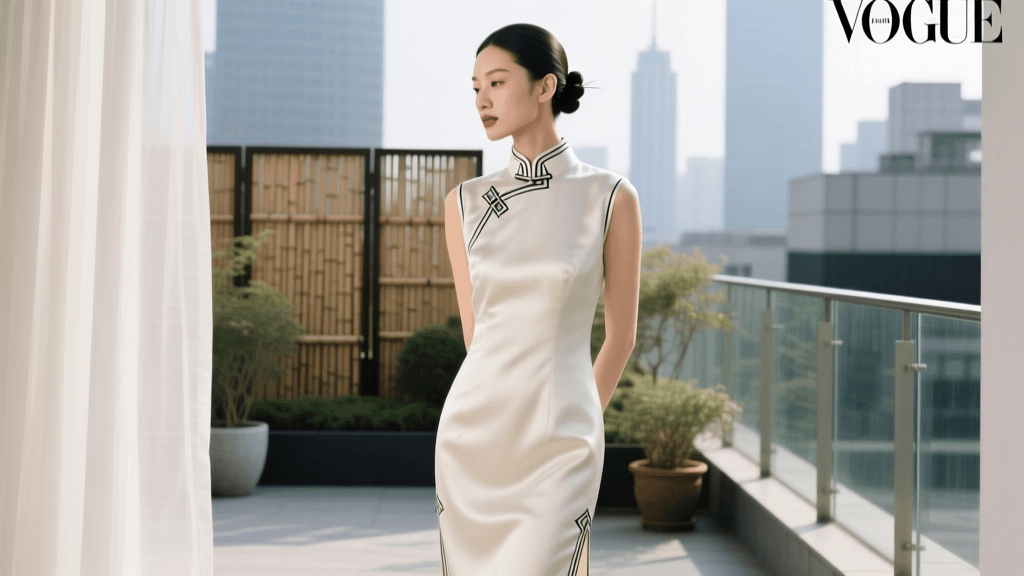
The qipao, also known in Cantonese as the cheongsam, is arguably the most iconic and recognizable garment in Chinese fashion history. Far from being a static relic of the past, this elegant, form-fitting dress has undergone a radical evolution. From its origins as a modest, loose-fitting Manchu robe to its glamorous 1930s Shanghai heyday, and finally to its current renaissance in modern streetwear, the qipao remains a dynamic symbol of Asian sartorial heritage. Today, the intersection of traditional tailoring and contemporary aesthetics has birthed the Xin Zhongshi (New Chinese Style) movement, making the qipao more accessible and versatile than ever before.
The Historical Evolution: From Banner Robe to Shanghai Glamour
To understand how to style the qipao today, one must first understand its structural roots. The garment originated from the changpao (long robe) worn by Manchu women during the Qing Dynasty (1644–1912). These early iterations were characterized by their voluminous, A-line silhouettes, high mandarin collars, and heavy embellishments, designed to conceal the figure rather than accentuate it. They were strictly traditional, heavily layered, and served as markers of ethnic and social identity within the imperial hierarchy.
The true transformation occurred in the 1920s and 1930s in Shanghai, heavily influenced by the May Fourth Movement, which championed women's education and gender equality. Female students began adopting a simplified version of the male scholar's robe as a statement of intellectual parity. Influenced by Western tailoring techniques and the feminist movements of the era, Shanghainese tailors soon began to dart, cinch, and slit the robe. As noted by fashion historians and documented by BBC Culture, this era introduced the 'year-round' qipao, featuring figure-hugging cuts, side slits for mobility, and the integration of modern textiles like imported lace, sheer georgette, and velvet. The iconic writer Eileen Chang famously championed the garment, cementing its status as the uniform of the modern, intellectual Chinese woman.
Following a period of decline in the mid-20th century due to political shifts and the rise of utilitarian clothing, the qipao experienced a global revival in the late 1990s and early 2000s, heavily influenced by cinema and international red carpets. However, it was often relegated to formal wear, weddings, or hospitality uniforms. It wasn't until the late 2010s that the garment was reclaimed by younger generations as a canvas for everyday self-expression.
The Modern Qipao: Xin Zhongshi and Streetwear Integration
Today’s qipao is defined by the Xin Zhongshi (New Chinese Style) movement. This trend deconstructs the rigid rules of traditional cheongsam wearing, blending heritage elements with contemporary streetwear, punk, and minimalist aesthetics. According to cultural reports from Sixth Tone, Gen Z and millennial consumers are driving a market that values 'guochao' (national trend), seeking garments that honor their heritage while fitting seamlessly into a modern, urban lifestyle.
Modern iterations often feature shortened hemlines, relaxed drop-shoulders, and unconventional fabrics like raw denim, vegan leather, and tech-wear nylon. The traditional knotted pankou (frog buttons) are sometimes replaced with industrial zippers, metal hardware, or left purely decorative while hidden zippers provide the actual closure. This evolution proves that the qipao is not merely a costume, but a living, breathing fashion staple capable of adapting to the rhythm of modern city life.
The Tailor’s Blueprint: Essential Qipao Measurements
Whether you are ordering a bespoke silk qipao from a master tailor in Shanghai or a made-to-measure linen piece online, the fit is paramount. Unlike Western dresses that rely heavily on bust and waist darts, a traditional qipao requires a complex grid of measurements to ensure the mandarin collar sits flush against the neck and the side slits drape elegantly without pulling.
When consulting with a tailor or using an online sizing matrix, ensure you provide the following specific data points. Always measure in centimeters for the highest degree of accuracy, wearing the undergarments you intend to pair with the dress.
| Measurement Point | Description & Technique | Tailor's Fit Tip |
|---|---|---|
| Mandarin Collar | Measure around the base of the neck where the collar will sit. | Add exactly 1-1.5 cm for ease; too tight restricts breathing, too loose ruins the silhouette. |
| Shoulder Width | Measure from the edge of one shoulder bone to the other across the back. | Crucial for the placement of the traditional diagonal chest dart and sleeve cap. |
| Bust & Underbust | Fullest part of the chest, and directly beneath the bust line. | Qipaos require precise bust darts; provide both to avoid fabric pulling across the chest. |
| Hipline Depth | Measure from the base of the neck down to the fullest part of the hips. | Determines where the side slits will begin and where the hip curve is emphasized. |
| Armhole (Scye) | Measure around the shoulder joint and under the armpit. | Traditional qipaos have high, tight armholes to allow arm movement without lifting the whole dress. |
| Dress Length | From the nape of the neck down to the desired hemline (ankle, midi, or mini). | Account for heel height if wearing the qipao for formal events to prevent tripping. |
Modern Styling Rules: Breaking the Traditional Mold
Styling a qipao for the modern era is all about juxtaposition. The goal is to strip away the 'costume' or 'pageant' feel and ground the garment in contemporary reality. Here are actionable styling formulas to integrate the cheongsam into your daily wardrobe:
1. The Streetwear Juxtaposition
Pair a midi-length, sleeveless cotton or denim qipao with chunky retro sneakers (such as New Balance 990s or Nike Air Monarchs). Add a pair of slouchy, ribbed athletic socks pulled up to the mid-calf. This breaks the formality of the dress and makes it suitable for weekend brunches, coffee runs, or gallery hopping.
2. The Autumn Layering Technique
The qipao’s high collar makes it an exceptional layering piece. During autumn, wear a fitted, fine-knit turtleneck underneath a sleeveless, brocade qipao. Alternatively, layer a cropped, oversized vintage leather moto jacket over a silk midi qipao. The harshness of the leather contrasts beautifully with the delicate sheen of the silk and the traditional pankou knots.
3. Footwear and Hemline Harmony
Forget the stiletto. For a modern, editorial look, pair an ankle-grazing qipao with square-toed leather boots or chunky Mary Janes. If you are wearing a mini or knee-length qipao, knee-high go-go boots or sleek loafers with white ankle socks offer a chic, mod-inspired silhouette reminiscent of 1960s Shanghai-meets-London fashion.
4. Accessorizing with Intent
- Jewelry: Skip the matching jade sets. Opt for asymmetric, contemporary metal jewelry, chunky silver chains, or minimalist gold hoops to modernize the neckline and draw attention to the collarbone.
- Bags: Instead of a traditional silk clutch, carry a structured, architectural leather handbag or a casual canvas tote to signal that the garment is part of your everyday life.
- Hair: Avoid the perfectly coiffed, traditional updo. Messy buns, sleek blunt bobs, or loose, textured waves provide a necessary 'undone' contrast to the structured tailoring of the dress.
Sourcing, Fabrics, and Costs: What to Expect
Investing in a qipao requires understanding the market tiers and the textiles involved. As highlighted by Vogue, the craftsmanship involved in traditional frog button making and bias-cutting silk commands a premium, but modern manufacturing has made entry-level pieces highly accessible. Traditionalists may seek out Xiangyunsha (gambiered Guangdong silk), which is dyed with natural plant juices and mud, or intricate Song brocades from Suzhou, both of which elevate the garment to wearable art.
- Off-the-Rack / Fast Fashion ($40 - $120): Usually made from polyester blends, cotton, or rayon. Often feature faux pankou buttons with hidden back zippers. Best for casual wear, music festivals, or experimenting with the silhouette. Brands on platforms like Taobao or specialized Etsy sellers offer vast arrays of modern, streetwear-inspired cuts.
- Made-to-Measure ($250 - $600): You select from a curated range of fabrics (linen, crepe de chine, mid-weight wools) and provide your exact measurements. The tailor adjusts a base pattern to your body. This is the sweet spot for high-quality daily wear, bridal parties, and professional settings.
- Bespoke / Haute Couture ($1,000 - $5,000+): A master tailor drafts a unique paper pattern exclusively for you. This tier includes hand-woven silks, authentic hand-knotted frog closures, and meticulous hand-finishing. A bespoke qipao is an heirloom garment, often commissioned for weddings or high-profile cultural events.
Garment Care: Preserving the Silhouette
Because traditional qipaos are often cut on the bias to allow the woven silk to stretch and mold to the body, improper storage can ruin the garment's structural integrity. Never hang a heavy, beaded, or bias-cut silk qipao on a wire hanger; the weight will distort the shoulders and stretch the hem unevenly. Instead, store the garment flat, folded with acid-free tissue paper in a breathable cotton garment bag. For daily cotton or linen qipaos, a padded velvet hanger is sufficient. Always dry-clean authentic silks and brocades, but spot-clean modern cotton blends to preserve the stiffness of the mandarin collar. If your qipao features traditional hand-knotted buttons, avoid pulling them aggressively; use the loop gently to prevent the silk threads from fraying over time.
Ultimately, the modern qipao is a testament to the resilience and adaptability of Asian fashion. By understanding its rich history, mastering the nuances of its tailoring, and styling it with contemporary confidence, you honor the garment’s legacy while pushing it boldly into the future.