Decoding Kimono Patterns and Status in Ukiyo-e Prints
Introduction to Ukiyo-e and the Kimono Canvas
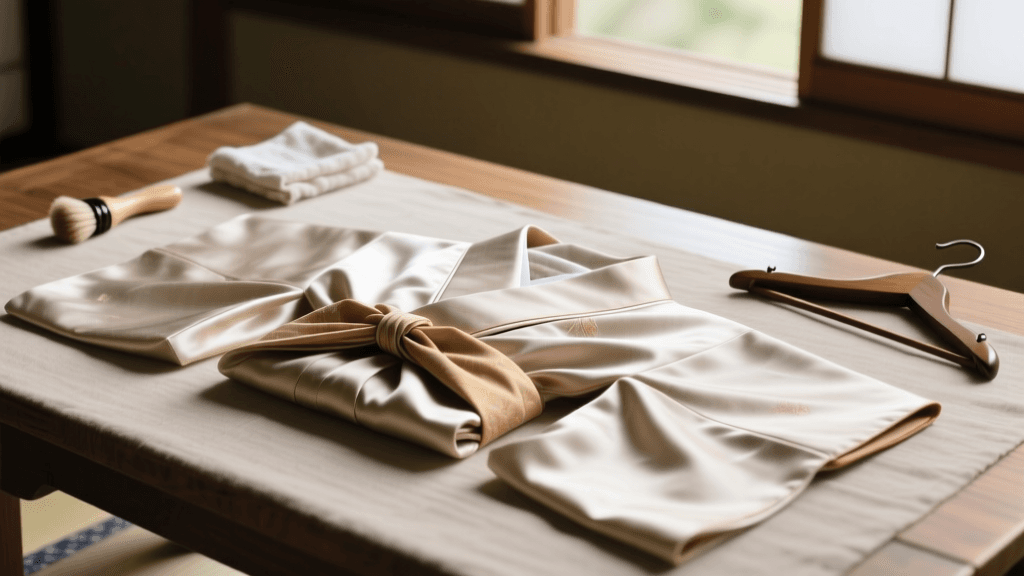
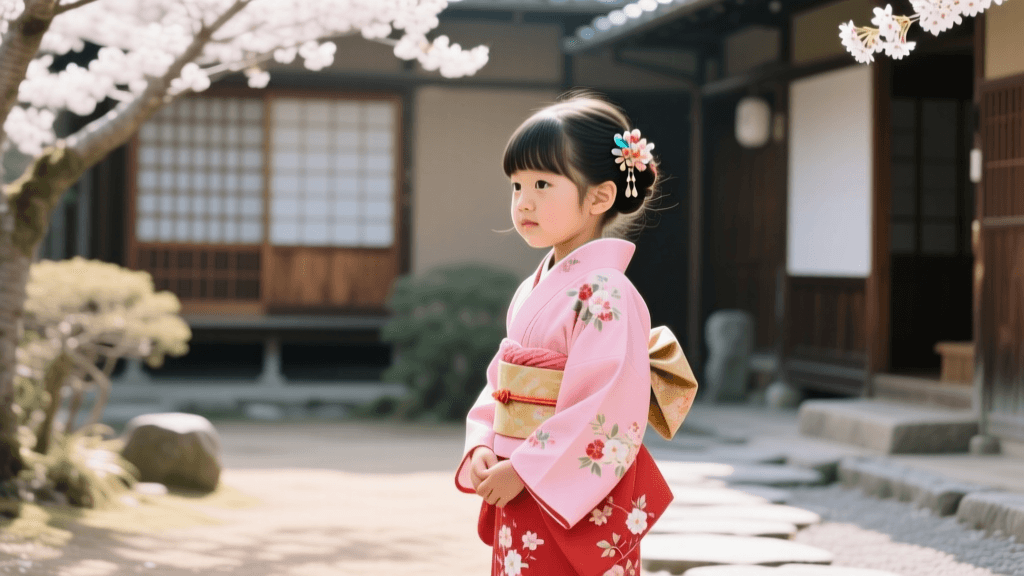
The term ukiyo-e translates to "pictures of the floating world," a genre of Japanese art that flourished from the 17th through the 19th centuries. While these woodblock prints are globally celebrated for their sweeping landscapes and dramatic Kabuki actor portraits, they also serve as an unparalleled historical archive of Japanese fashion. In the Edo period (1603–1867), the kimono was far more than a mere garment; it was a highly regulated, deeply symbolic canvas that communicated the wearer's age, marital status, social class, and even their philosophical outlook. For modern collectors, historians, and fashion enthusiasts, learning to decode the intricate patterns, layering systems, and textile motifs depicted in ukiyo-e is essential to understanding the rich tapestry of Asian traditional garments.
The Edo Period Social Hierarchy and Sumptuary Laws
To accurately read the garments in a woodblock print, one must first understand the rigid social hierarchy of the Tokugawa shogunate. Society was divided into four main classes: samurai, peasants, artisans, and merchants (shi-no-ko-sho). Paradoxically, the merchant class (chonin) possessed immense wealth but held the lowest social rank. To prevent them from outshining the samurai class, the government enacted strict sumptuary laws that dictated permissible fabrics, colors, and patterns.
Merchants were frequently banned from wearing ostentatious silks, vibrant crimson dyes, or large, flashy motifs. However, the wealthy merchant class circumvented these restrictions through a sophisticated aesthetic concept known as iki—an understated, subtle elegance that prioritized hidden luxury over overt display. A wealthy merchant's wife might wear a subdued, dark indigo outer kimono made of plain cotton or crepe silk, but the inner lining (hakkake) and the under-kimono (nagajuban) would be crafted from exorbitant, hand-painted silk featuring bold, vibrant patterns. Master ukiyo-e artists like Suzuki Harunobu and Kitagawa Utamaro expertly captured these subtle cues, often depicting a slight slip of the collar or a gust of wind revealing the lavish, forbidden linings beneath a modest exterior.
Oiran vs. Geisha: Reading the Layers and Silhouettes
When examining bijin-ga (pictures of beautiful women), it is crucial to distinguish between the high-ranking courtesans (oiran) and the geisha. Their kimono ensembles were distinctly different, serving as visual markers of their respective professions and social functions within the pleasure quarters.
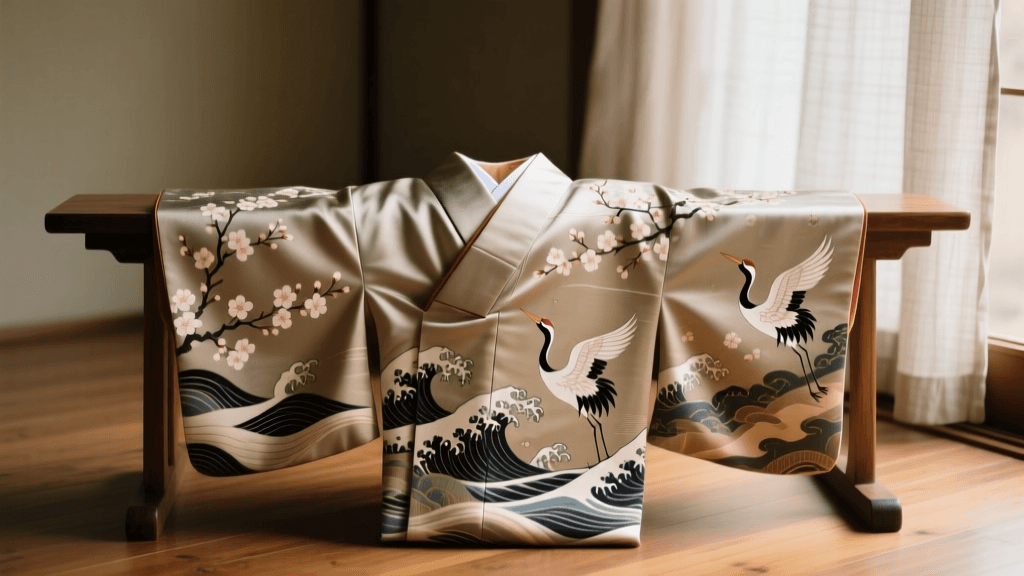
- The Oiran (Courtesan): Oiran were the celebrities of the Edo period. In ukiyo-e prints, they are depicted wearing heavily padded, multi-layered kimono ensembles known as uchikake. Their garments were adorned with lavish, auspicious motifs like cranes, peonies, and gold-leaf clouds. The most telling visual cue is the obi (sash), which was massive, elaborately brocaded, and tied in a complex knot at the front of the body. This front-tied obi, along with their towering, lacquered hair ornaments (kanzashi), signified their untouchable, elevated status.
- The Geisha: Geisha were primarily entertainers and artists, not courtesans. Their fashion was intentionally more subdued and refined to avoid competing with the oiran. In woodblock prints, geisha are shown wearing elegant, high-quality silk kimono with more restrained, seasonal patterns. Their obi was always tied at the back in a standard "drum" or "box" knot, allowing for greater mobility during dance and musical performances. Their hairstyles were simpler, utilizing fewer hairpins, emphasizing an aesthetic of effortless grace.
A Guide to Key Kimono Motifs in Woodblock Prints
Seasonality (kisetsukan) is a foundational pillar of Japanese traditional dress. Wearing a motif out of season was considered a severe faux pas. Ukiyo-e artists adhered strictly to these rules, allowing modern viewers to date the context of a print or understand the specific time of year depicted. Below is a structured guide to the most common motifs found in Edo-period garments:
| Motif | Season | Symbolic Meaning | Ukiyo-e Context & Application |
|---|---|---|---|
| Cherry Blossoms (Sakura) | Spring | Transience, beauty, the fleeting nature of life | Often featured on the kimono of young, unmarried women in Harunobu's prints. |
| Chrysanthemum (Kiku) | Autumn | Longevity, rejuvenation, imperial connections | Frequently seen on the formal crested kimono of older, married women or samurai wives. |
| Pine, Bamboo, Plum (Shochikubai) | Winter / New Year | Resilience, steadfastness, prosperity | Used in New Year's prints (surimono) and on the uchikake of high-ranking brides. |
| Water and Streams (Kousui) | Summer | Coolness, purity, flow of time | Depicted on lightweight, unlined summer kimono (hitoe) and yukata to provide visual relief from the heat. |
| Paulownia (Kiri) | Autumn / Formal | High status, imperial favor | Reserved for the highest-ranking courtesans and elite samurai families in formal portraits. |
Practical Guide: Starting an Ukiyo-e Collection
For collectors and enthusiasts looking to acquire authentic ukiyo-e prints featuring traditional garments, understanding the market and authentication process is vital. The market for Japanese woodblock prints is robust, but it requires a discerning eye and a strategic budget.
Budgeting and Market Tiers
- Entry-Level ($150 – $400): Late 19th-century (Meiji period) prints, works by lesser-known students of master artists, or landscape prints with minor condition issues (e.g., trimmed margins or slight fading). These are excellent for studying the evolution of Meiji-era fashion, which incorporated Western textiles and aniline dyes.
- Mid-Tier ($500 – $2,500): Works by renowned artists like Utagawa Kunisada (famous for his exhaustive documentation of Kabuki costumes and geisha fashion) or Utagawa Hiroshige. Prints in this tier usually feature strong color retention and intact margins.
- Masterworks ($5,000 – $100,000+): Early impressions of Kitagawa Utamaro's bijin-ga, rare actor portraits by Toshusai Sharaku, or pristine examples of Hokusai's early fashion illustrations. These are typically handled by specialized auction houses or elite galleries.
Authentication: Reading the Seals
Authenticating an Edo-period print involves examining the publisher's mark and the censorship seals, which changed chronologically. According to the Library of Congress Japanese Woodblock Prints Collection, studying these seals is one of the most reliable ways to date a print. Before 1790, prints lacked official seals. From 1790 to 1876, the kiwame (approved) seal was mandatory. Post-1876, the aratame (examined) seal was used. Additionally, look for the publisher's cartouche; for example, the iconic ivy leaf mark of Tsutaya Juzaburo, who published Utamaro's most famous courtesan portraits. Utilizing high-resolution digital archives from institutions like the Library of Congress is an invaluable, free method for comparing seals before making a purchase.
Archival Framing and Conservation of Antique Prints
Ukiyo-e prints were created on washi (handmade mulberry paper) using organic, water-soluble pigments. The red pigment (beni), derived from safflower, is notoriously fugitive and will fade rapidly if exposed to ultraviolet light. Furthermore, the metallic dusts (kira-zuri) used to highlight the luxurious fabrics of a courtesan's kimono can tarnish or flake if handled improperly. Therefore, professional archival framing is not optional; it is a necessity to preserve the garment details for future generations.
Actionable Framing Specifications
- Glazing: Never use standard glass. Invest in Optium Museum Acrylic, which provides 99% UV protection, is anti-reflective, and possesses anti-static properties that prevent the delicate mica dust from lifting off the paper. Expect to pay between $150 and $250 for the glazing alone.
- Matting: Use only 100% cotton rag mat board that is acid-free and lignin-free. Standard wood-pulp mats will off-gas and cause severe yellowing and brittleness in the washi paper.
- Hinging: The print must never be dry-mounted or taped with pressure-sensitive adhesives. It should be hinged using traditional Japanese kozo (mulberry) paper and a reversible, cooked wheat starch paste. A qualified conservation framer will charge between $350 and $700 for this complete archival package for a standard oban size print (approx. 10 x 15 inches).
Conclusion and Institutional Resources
The kimono depicted in ukiyo-e woodblock prints are not merely historical costumes; they are complex visual codes that reveal the ambitions, restrictions, and artistic sensibilities of Edo-period Japan. By learning to decode the subtle layers of iki, the strict rules of seasonal motifs, and the distinct silhouettes of the pleasure quarters, collectors and enthusiasts can unlock a deeper appreciation for Asian traditional garments. For those seeking to deepen their knowledge, the Metropolitan Museum of Art's Heilbrunn Timeline of Art History offers exceptional, peer-reviewed essays on the evolution of ukiyo-e and its intersection with Japanese textile arts, providing a vital academic foundation for any serious collector or student of traditional Asian fashion.