Douyin Hanfu Street Style: Mastering The Viral Mamianqun Look
The Rise of the Douyin Street Snap
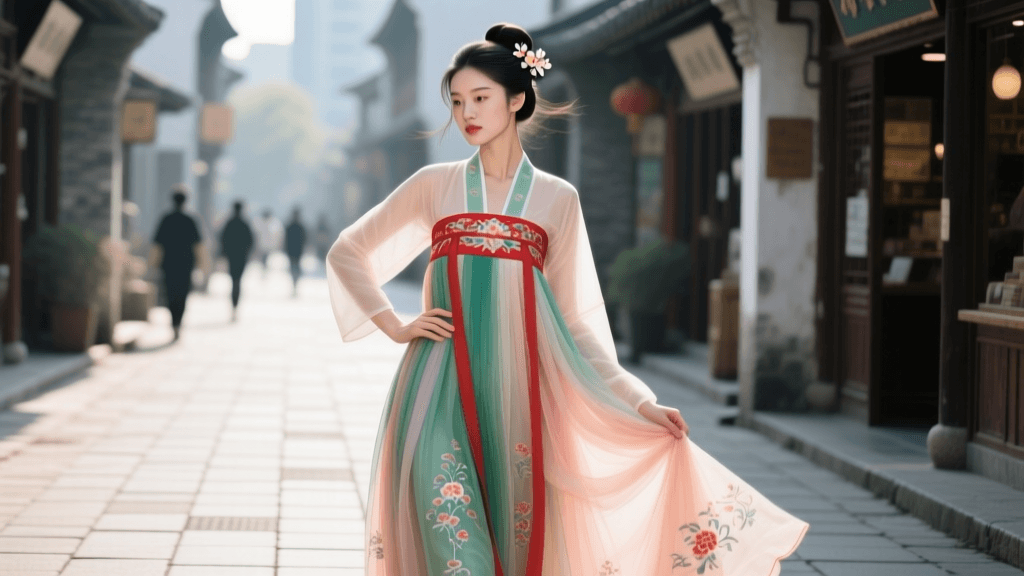
If you have spent any time on Douyin (the Chinese counterpart to TikTok) or its international sister app, you have likely encountered the mesmerizing "Hanfu street snap" phenomenon. In bustling cultural hubs like Chengdu's Taikoo Li shopping district or Xi'an's Datang Everbright City, street photographers capture young fashion enthusiasts wearing traditional Chinese garments interwoven with modern streetwear. These slow-motion videos, characterized by sweeping skirts, intricate embroidery, and an effortless blend of ancient and contemporary aesthetics, routinely garner millions of views. For international enthusiasts and Asian tradition aficionados, understanding the mechanics behind these viral trends offers a masterclass in modern cultural styling.
The most dominant silhouette in these viral videos is the "Xin Zhongshi" (New Chinese) look, anchored almost entirely by the Mamianqun, or "horse-face" skirt. This guide will deconstruct the anatomy of the viral Douyin Hanfu street snap, providing actionable advice on styling, sourcing, and even filming your own traditional fashion content.
Deconstructing the Mamianqun: The Core of the Wardrobe
The Mamianqun is a wrap skirt characterized by two flat, overlapping front and back panels (the "horse faces") flanked by intricate, symmetrical knife pleats. The historical roots of the Mamianqun trace back to the Song and Ming dynasties, characterized by intricate weaving and structural pleating that allowed for ease of movement while maintaining a rigid, regal silhouette (Encyclopaedia Britannica). Museums like the Metropolitan Museum of Art highlight how traditional Chinese textiles utilized complex brocade techniques to create garments that were both functional for daily life and indicative of social status.
For the modern Douyin street snap, the Mamianqun is favored because of its dynamic movement. When the wearer spins or walks briskly, the pleats fan out dramatically, creating a visual spectacle that translates perfectly to slow-motion video. To achieve the authentic viral look, the skirt must be constructed from medium-weight fabrics like woven jacquard, polyester-blend brocade, or heavy silk, which hold the pleats sharply even in windy conditions.
The Xin Zhongshi (New Chinese) Styling Formula
The secret to the Douyin street snap is contrast. Influencers rarely wear full, historically accurate Ming Dynasty ensembles for casual street photography. Instead, they utilize the Xin Zhongshi styling formula, which pairs the traditional Mamianqun with modern, structured tops. This grounds the historical garment in contemporary urban reality.
Tops and Layering
- The Tailored Blazer: A cropped, structured blazer in a neutral tone (black, cream, or houndstooth) contrasts beautifully with the ornate, metallic-threaded brocade of the skirt. Ensure the blazer ends exactly at the natural waistline to highlight the skirt's waistband.
- The Fitted Turtleneck: For autumn and winter snaps, a tight, ribbed turtleneck tucked into the skirt creates a sleek, minimalist upper half that allows the skirt's patterns to take center stage.
- The Modern Mandarin Collar: Many influencers opt for modernized Qipao tops or Mandarin-collar blouses made of crisp cotton or lace, bridging the gap between different eras of Chinese fashion history.
Footwear and Accessories
Footwear is where the streetwear element truly shines. While traditional cloud-toe shoes are historically accurate, Douyin influencers heavily favor chunky leather Mary Janes, platform loafers, or even high-end minimalist sneakers. This choice not only adds an edgy, modern flair but also provides the necessary arch support for hours of walking and filming.
Accessories should be curated sparingly. A single, high-quality jade hairpin holding up a modern claw-clip updo, or a contemporary leather handbag with subtle bamboo detailing, provides the perfect finishing touch. For deeper research into historical garment construction and regional embroidery styles that influence these modern accessories, the Victoria and Albert Museum's Asia Collections offer extensive archives on traditional textile motifs.
Sourcing Guide and Cost Breakdown
Acquiring an authentic, high-quality Mamianqun requires navigating Chinese e-commerce platforms like Taobao or specialized international Hanfu retailers. Below is a comparison of popular brand tiers frequented by influencers and enthusiasts.
| Brand Tier | Notable Brands | Price Range (USD) | Fabric Quality | Shipping Time |
|---|---|---|---|---|
| Entry-Level | Shisan Yu, Lan Ruo | $35 - $65 | Polyester blends, printed jacquard | 15-25 days |
| Mid-Tier | Zhong Ling, Ting Yue Shi | $80 - $150 | Woven brocade, metallic yarns, silk blends | 15-30 days |
| Couture/Heritage | Ming Hua Tang, Kong Que | $300 - $800+ | Pure silk, authentic gold/silver thread, hand-woven | 30-60 days |
Actionable Tip: When ordering a Mamianqun, pay strict attention to the length. For a wearer who is 160cm to 165cm (5'3" to 5'5"), a skirt length of 100cm to 105cm is ideal. This ensures the hem grazes the ankle bone, allowing for dramatic spins without the risk of stepping on the fabric and ruining the pleats.
Videography and Editing for the Algorithm
Recreating the Douyin aesthetic requires specific camera settings and editing techniques. The hallmark of these videos is the buttery-smooth slow-motion spin.
- Frame Rate: Always shoot in 4K at 60fps (frames per second) or 120fps. This allows you to slow the footage down by 50% to 25% in post-production without losing crispness or introducing motion blur.
- Shutter Speed: Follow the 180-degree shutter rule. If shooting at 60fps, set your shutter speed to 1/120. This creates natural motion blur on the spinning pleats while keeping the subject's face sharp.
- Lighting: The golden hour (shortly after sunrise or before sunset) is heavily favored in Chengdu and Xi'an street snaps. The warm, directional light catches the metallic threads in the Mamianqun brocade, creating a shimmering effect that flat, midday sunlight cannot replicate.
- The "Drop" Edit: Structure your video to start at normal speed with the subject walking toward the camera. As the beat of the audio track drops, transition into the slow-motion spin, ensuring the skirt flares out to its maximum width.
Garment Care and Maintenance
Mamianqun skirts, particularly those made with metallic jacquard or silk blends, require meticulous care to maintain their structural integrity. The knife pleats are the soul of the garment; if they lose their shape, the skirt loses its visual impact.
Never machine wash or wring a woven brocade Mamianqun. The agitation will permanently destroy the pleat structure and cause the metallic threads to fray.
Instead, spot clean minor stains with a damp cloth and mild detergent. For deep cleaning, dry cleaning is the only safe option. When storing the skirt, do not hang it by the waistband for long periods, as the heavy brocade will stretch the cotton waist ties and distort the flat panels. Instead, fold the skirt meticulously along its existing pleat lines and store it flat in a breathable cotton garment bag with silica gel packets to prevent humidity damage.
Conclusion
The Douyin Hanfu street snap is more than just a fleeting internet trend; it is a vibrant, community-driven revival of Asian traditions adapted for the modern urban landscape. By understanding the historical significance of the Mamianqun, mastering the Xin Zhongshi styling formula, and utilizing precise videography techniques, you can actively participate in this global cultural renaissance. Whether you are walking the streets of your local city or planning a destination shoot in Xi'an, the fusion of ancient textiles and modern streetwear offers a profound way to wear history on your sleeve.