The Ultimate Kimono Buying Guide: Types, Occasions & Costs
The Art of Choosing the Perfect Kimono
Investing in a traditional Japanese kimono is a journey into centuries of textile artistry, cultural heritage, and meticulous craftsmanship. However, for both seasoned collectors and first-time buyers, navigating the complex hierarchy of kimono types, formality rules, and sizing can be overwhelming. According to the Metropolitan Museum of Art, the kimono evolved from a simple undergarment in the Heian period into the T-shaped, highly symbolic outer robe recognized globally today. Whether you are purchasing a piece for a tea ceremony, a wedding, or a personal collection, understanding the nuances of kimono types is essential.
This comprehensive buying guide breaks down the primary categories of women's kimono, decodes the Japanese rules of formality, provides exact sizing measurements, and offers actionable advice on where to source authentic pieces, from vintage markets in Kyoto to specialized online retailers.
The TPO Rule: Time, Place, and Occasion
In Japanese fashion, the selection of a kimono is strictly governed by the TPO rule: Time, Place, and Occasion. Wearing a highly formal garment to a casual event can be seen as overdressed and socially awkward, while wearing a casual kimono to a formal ceremony is considered disrespectful. The formality of a kimono is determined by three main factors:
- Pattern Placement: Patterns that flow continuously across seams (eba-moyo) denote higher formality than small, repeating patterns.
- Crests (Kamon): The number of family crests (one, three, or five) directly correlates with the garment's formality. Five crests represent the highest level of formal wear.
- Fabric and Dyeing: Silk crepe (chirimen) and hand-painted Yuzen dyes are reserved for formal wear, while cotton, wool, and polyester are strictly casual.
Comprehensive Kimono Type Comparison Chart
The table below provides a quick-reference guide to the most common types of women's kimono, their formality levels, and estimated market costs for authentic, high-quality pieces.
| Kimono Type | Formality Level | Pattern & Crests | Best Occasions | Avg. Price (USD) |
|---|---|---|---|---|
| Komon | Casual / Everyday | Repeating pattern, 0 crests | Shopping, casual dining, tea practice | $50 - $300 |
| Tsukesage | Semi-Formal | Patterns on lower half/shoulder, 0-1 crests | Tea ceremonies, graduation, parties | $200 - $800 |
| Homongi | Formal | Continuous picture pattern, 1-3 crests | Weddings (guest), formal parties | $400 - $2,500+ |
| Furisode | Formal (Unmarried) | Large vibrant patterns, 0-3 crests | Coming of Age Day, weddings (guest) | $500 - $3,000+ |
| Irotomesode | Formal (Married) | Colored base, pattern below waist, 1-5 crests | Weddings (close relatives) | $600 - $2,000 |
| Kurotomesode | Highest Formal (Married) | Black base, pattern below waist, 5 crests | Weddings (mother of bride/groom) | $800 - $3,500+ |
Deep Dive: Selecting the Right Kimono Type
Komon: The Everyday Wardrobe Staple
The Komon is characterized by a small, repeating pattern that covers the entire garment. It is the most versatile and casual type of silk kimono. A sub-category, the Edo Komon, features incredibly fine, micro-geometric patterns that appear solid from a distance but reveal intricate stenciled dye work up close. Komon are ideal for tourists exploring Kyoto, casual theater outings, or practicing the tea ceremony. When buying vintage Komon, expect to pay between $50 and $150 for excellent condition pieces.
Tsukesage and Homongi: The Elegant Middle Ground
The Tsukesage features patterns that are dyed or embroidered primarily on the lower half of the skirt and the outer shoulder, ensuring the design does not cross the seams. It bridges the gap between casual and formal. The Homongi (literally "visiting wear") is a step up in formality. It utilizes the eba-moyo technique, where the silk is temporarily basted together before painting, allowing the pattern to flow seamlessly across the seams like a canvas. Homongi are the go-to choice for attending weddings as a guest or participating in high-level cultural events.
Furisode: The Statement of Youth
Translated as "swinging sleeves," the Furisode is the most formal kimono for young, unmarried women. The sleeves can range from 85cm (ko-furisode) to over 114cm (oh-furisode). The vibrant, sprawling designs often feature auspicious motifs like cranes, pine trees, and flowing water. Because they are primarily worn for the Seijin Shiki (Coming of Age Day) or wedding attendance, many Japanese women opt to rent Furisode. However, purchasing a vintage or modern silk Furisode is a magnificent investment for collectors, often serving as stunning display pieces.
Tomesode: The Pinnacle of Married Women's Formality
Once a woman marries, she transitions from Furisode to Tomesode for high-formal events. The Kurotomesode (black tomesode) with five family crests is the absolute highest level of formality, reserved exclusively for the mothers of the bride and groom at weddings. The Irotomesode features a colored background and can have one to five crests, making it suitable for close female relatives at weddings or imperial court functions.
Fabric Choices and Dyeing Techniques
When evaluating a kimono for purchase, the fabric and dyeing method dictate both the price and the care requirements.
- Tango Chirimen (Silk Crepe): The gold standard for formal kimono. The twisted weft threads create a pebbled texture that resists wrinkling and takes dye beautifully.
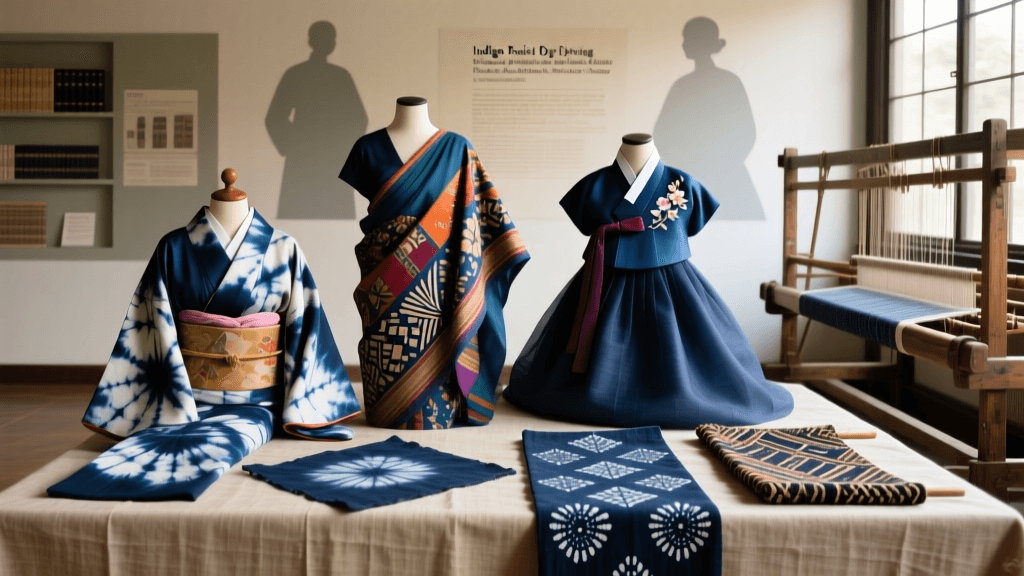
- Yuzen Dyeing: A traditional resist-dyeing technique using rice paste. Hand-painted Kyo-Yuzen (from Kyoto) is highly prized and commands premium prices, often exceeding $2,000 for new pieces.
- Nishijin-ori: While this refers to the Obi (sash) rather than the kimono itself, a kimono outfit is incomplete without a Nishijin brocade obi. Authentic gold-leaf Nishijin obi can cost more than the kimono itself.
- Polyester and Cotton: Modern washable polyesters are excellent for beginners, rainy weather, and casual summer festivals (yukata). The Japan National Tourism Organization often recommends cotton Yukata for tourists seeking a comfortable, breathable, and easy-to-wear summer experience.
Sizing and Measurements: Finding Your Fit
Unlike Western clothing, kimono are sold based on specific body measurements rather than standard S/M/L sizes. Because the garment is wrapped and folded, there is a generous margin for adjustment, but knowing your jitsusei (ideal length) and yuki (sleeve span) is crucial for buyers.
- Mitake (Body Length): The ideal length is roughly 0.6 times your height. For example, a woman who is 160cm (5'3") tall should look for a kimono with a mitake of about 96cm. The extra fabric is folded at the waist (the ohashori) to adjust the hemline.
- Yuki (Sleeve Span): Measured from the center back of the neck, over the shoulder, to the wrist bone. A standard modern yuki is around 64cm to 68cm. Vintage kimono (pre-1970s) often have much shorter yuki measurements (60cm or less) due to the shorter average height of women in the past, which can make them difficult for modern Western buyers to wear without alteration.
Where to Buy: Retail, Vintage, and Online Markets
Sourcing a kimono depends on your budget, location, and desire for authenticity.
1. Specialty Gofukuya (Kimono Shops) in Japan
For brand-new, bespoke, or high-end formal kimono, visiting a Gofukuya in Kyoto's Nishijin district or Tokyo's Ginza is unparalleled. Stores like Mitsukoshi Department Store offer curated collections. Expect to spend upwards of $3,000 for a full, custom-tailored silk set, and be prepared for a multi-week fitting and delivery process.
2. Vintage and Recycle Shops
Japan has a thriving second-hand kimono market. "Recycle shops" in Kyoto (such as those around Shijo-Kawaramachi) offer racks of vintage silk Komon and Homongi for as little as $20 to $100. When buying vintage, inspect the collar and hem for shimi (age spots) and check the silk for suji (creases or weakening along the fold lines).
3. Online Vintage Dealers
For international buyers, specialized online dealers provide curated, measured, and photographed vintage pieces. Platforms like Ichiroya are highly respected in the global kimono community. They provide exact centimeter measurements, detailed condition reports noting any flaws, and ship globally. This is the safest route for buyers who cannot travel to Japan but want authentic, high-quality silk garments.
"Buying a vintage kimono is not just a sustainable fashion choice; it is an act of preserving living history. Many vintage pieces feature dyeing techniques and artisan skills that are incredibly rare or entirely extinct in modern textile production."
Essential Accessories: Completing the Outfit
A kimono cannot be worn alone. When budgeting for your purchase, remember to allocate funds for the essential accessories:
- Obi: The sash. A formal Fukuro obi or a versatile Nagoya obi is required.
- Obiage & Obijime: The silk scarf (obiage) and decorative cord (obijime) used to secure and embellish the obi knot.
- Nagajuban: The under-robe that protects the expensive silk kimono from sweat and body oils.
- Tabi & Zori: Split-toe white cotton socks (tabi) and formal sandals (zori) made of brocade or leather.
Care and Maintenance
Silk kimono require specialized care. Never wash a silk kimono at home. Professional cleaning in Japan is known as maru-arai (whole garment washing), where the kimono is taken apart, washed, re-dyed if necessary, and sewn back together. For international owners, spot cleaning with a specialized silk solvent or consulting a master textile conservator is recommended. Store your kimono folded in acid-free tatou-shi paper, inside a kiribako (paulownia wood box), which naturally repels moisture and insects.
Conclusion
Purchasing a kimono is a deeply rewarding experience that connects you to the rich tapestry of Asian traditions. By understanding the TPO rules, accurately measuring your body for the correct yuki and mitake, and knowing where to source authentic textiles, you can build a stunning, culturally respectful collection. Whether you opt for a vibrant vintage Furisode or an elegant, understated Homongi, your kimono will serve as a timeless wearable heirloom.