Decoding Kimono Fashion in Ukiyo-e Woodblock Prints
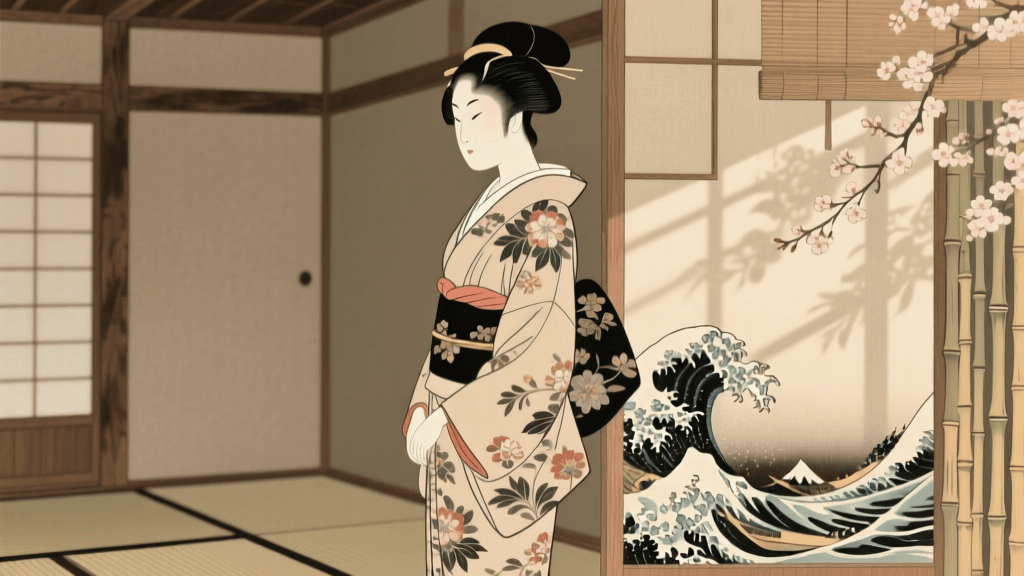
The Intersection of Textile and Timber: Kimono in Ukiyo-e
Long before the advent of modern fashion magazines, the streets of Edo (modern-day Tokyo) were documented through the vibrant, mass-produced medium of ukiyo-e woodblock prints. Translating to "pictures of the floating world," ukiyo-e served as the ultimate visual catalog for the burgeoning merchant class during the Edo period (1603–1867). While these prints are celebrated globally for their artistic mastery, they are equally invaluable as historical records of Japanese textile arts. For historians, collectors, and modern kimono enthusiasts, ukiyo-e provides a meticulously detailed window into the layering systems, dyeing techniques, and seasonal motifs that defined traditional Japanese garments.
According to the Metropolitan Museum of Art's Heilbrunn Timeline on Ukiyo-e, these prints were not merely high art reserved for the elite; they were affordable, popular media consumed by everyday citizens. Kabuki actors and high-ranking courtesans were the fashion influencers of their day, and their sartorial choices were rapidly translated onto woodblocks and distributed across the country. A woman in Kyoto could view the latest obi-tying techniques or sleeve lengths worn by a star in Edo simply by purchasing a print.
Technical Mastery: Simulating Silk and Dye in Wood
One of the most remarkable achievements of ukiyo-e artists and craftsmen was their ability to translate the luxurious textures of silk, crepe, and intricate dye patterns onto flat, two-dimensional paper. The introduction of nishiki-e (brocade pictures) in the 1760s allowed for multi-color printing, utilizing dozens of separate carved woodblocks for a single image. This innovation was crucial for capturing the complexity of kimono fashion.
Master printers employed specialized techniques to mimic the tactile qualities of traditional garments:
- Bokashi (Color Gradation): Printers would carefully wipe ink across the woodblock to create soft gradients. This was frequently used to depict the deep, rich folds of heavy silk crepe (chirimen) and the subtle shading of yuzen resist-dyeing.
- Karazuri (Blind Printing): By pressing the paper into an un-inked carved block, artisans created subtle embossing. This technique was brilliantly utilized to simulate the crinkled, three-dimensional texture of kanoko shibori (fawn-spot tie-dye), a highly expensive and labor-intensive textile art.
- Kirazuri (Mica Dusting): Artists like Kitagawa Utamaro applied powdered mica to the background of prints featuring beautiful women (bijin-ga). The shimmering background created a striking contrast with the matte paper, making the intricate, multi-colored patterns of the subject's kimono appear to glow with the luster of woven silk.
Sumptuary Laws and the Birth of 'Iki'
To fully understand the fashion depicted in ukiyo-e, one must understand the political climate of the Edo period. The Tokugawa shogunate frequently enacted sumptuary laws designed to prevent the wealthy merchant class (chonin) from dressing above their social station. Ostentatious displays of wealth, including bright red benibana (safflower) dyes and large-scale tie-dyeing, were routinely banned.
These restrictions inadvertently birthed the sophisticated aesthetic concept of iki—an understated, subtle elegance that prioritized hidden luxury over flashy displays. As noted in the Victoria and Albert Museum's comprehensive guide to the Kimono, merchants circumvented these laws through ingenious layering. A print might depict a woman in a subdued, dark outer garment patterned with microscopic Edo Komon designs, but a slight shift in the wind or the deliberate pull of a sleeve would reveal a wildly extravagant, brightly dyed silk under-kimono (nagajuban) or a lavish inner lining. Ukiyo-e artists became masters of capturing these fleeting glimpses of hidden rebellion, often focusing on the hemlines, collars, and inner sleeves where the true wealth of the wearer was concealed.
Decoding Motifs: A Visual Dictionary of Edo Fashion
The motifs painted onto kimono in ukiyo-e prints were never arbitrary; they were deeply tied to the seasons, poetry, and social signaling. Modern kimono wearers still use these historical prints as reference guides for authentic seasonal coordination (kitsuke). Below is a breakdown of common motifs found in woodblock prints and their traditional meanings.
| Motif | Japanese Name | Season | Symbolism and Context in Ukiyo-e |
|---|---|---|---|
| Cherry Blossom | Sakura | Spring | Represents the transience of beauty. Frequently depicted on the kimono of courtesans to symbolize their fleeting youth. |
| Pine, Bamboo, Plum | Sho Chiku Bai | Winter / New Year | The ultimate auspicious trio. Worn during New Year prints to convey resilience, longevity, and prosperity. |
| Flowing Water | Ryusui | Summer | Provides a psychological cooling effect. Often paired with autumn grasses in late summer prints. |
| Chrysanthemum | Kiku | Autumn | Associated with the Imperial family and rejuvenation. Often rendered in rich yellows and deep purples via woodblock layering. |
| Swallows | Tsubame | Spring | Harbingers of spring and safe return. Often shown flying across the shoulders of a kimono in dynamic diagonal compositions. |
Actionable Guide: Applying Ukiyo-e Aesthetics to Modern Kitsuke
For contemporary kimono collectors, vintage textile dealers, and practitioners of kitsuke (the art of dressing in kimono), ukiyo-e serves as an actionable masterclass in color theory and seasonal timing. The Metropolitan Museum of Art's history of the Kimono highlights how the straight-line cutting of the tanmono (kimono bolt, typically 36 cm wide and 11 meters long) dictates the angular, geometric folds seen in prints. Understanding these folds helps modern collectors authenticate vintage garments and identify how a flat textile will drape on the body.
If you are looking to incorporate Edo-period aesthetics into your modern wardrobe or collection, consider the following actionable guidelines derived directly from woodblock print analysis:
- Master the Seasonal Timing Rule: In traditional aesthetics documented by ukiyo-e, seasonal motifs are introduced exactly one month before the season actually begins. Cherry blossoms should be worn in March, not April; autumn maple leaves appear on garments in September. Wearing a motif at the peak of its season is considered slightly behind the curve.
- Utilize 'Kasane no Irome' (Color Layering): Study the collars and sleeve openings in Utamaro's prints. The art of layering a specific color over another (e.g., a pale green under-kimono peeking out from a deep purple outer layer) creates a visual vibration. Modern wearers can replicate this by investing in a high-quality, contrasting han-eri (detachable collar) to frame the face.
- Collector's Authentication Tip: When evaluating the monetary value of an Edo-period ukiyo-e print featuring textiles, look closely at the censor seals (kiwame). These seals not only date the print to a specific month and year but also allow you to cross-reference the depicted kimono patterns with historical sumptuary law edicts, significantly increasing the print's provenance and value.
- Budgeting for Authentic Prints: Entry-level Edo-period landscape prints with smaller kimono-clad figures can be acquired from reputable dealers for $300 to $600. However, pristine bijin-ga prints by masters like Utamaro or Suzuki Harunobu, which showcase complex, multi-layered textile patterns and kirazuri mica backgrounds, typically range from $2,500 to over $15,000 at auction.
Conclusion
The kimono depicted in ukiyo-e woodblock prints are far more than mere costumes; they are intricate maps of Japanese cultural history, technical innovation, and social subversion. By learning to read the subtle language of blind-printed textures, hidden linings, and seasonal motifs, we gain a profound appreciation for both the artisans who carved the woodblocks and the weavers who spun the silk. Whether you are a collector seeking to authenticate a rare Edo-period print, or a modern wearer striving for historical accuracy in your kitsuke, the floating world of ukiyo-e remains the ultimate, timeless guide to Japanese fashion.