Ultimate Guide to Tai Chi Practice Wear and Wushu Uniforms
The Intersection of Mind, Body, and Garment in Martial Arts
In the realm of traditional Chinese martial arts, the clothing you wear is not merely a uniform; it is an extension of your practice. Whether you are performing the slow, deliberate movements of Taijiquan (Tai Chi) or the explosive, acrobatic routines of modern Wushu, your attire directly impacts your range of motion, breath control, and mental focus. According to Harvard Health Publishing, Tai Chi is often described as 'medication in motion,' requiring deep diaphragmatic breathing and fluid joint articulation. Restrictive clothing can hinder this mind-body connection, making the selection of proper traditional practice wear a critical component of your martial arts journey.
This comprehensive guide explores the anatomy, fabrics, sizing, and styling of Tai Chi and Wushu practice wear, providing actionable advice for both beginners and seasoned practitioners looking to refine their martial arts wardrobe.
The Anatomy of a Traditional Tai Chi Suit (Taijiquan Fu)
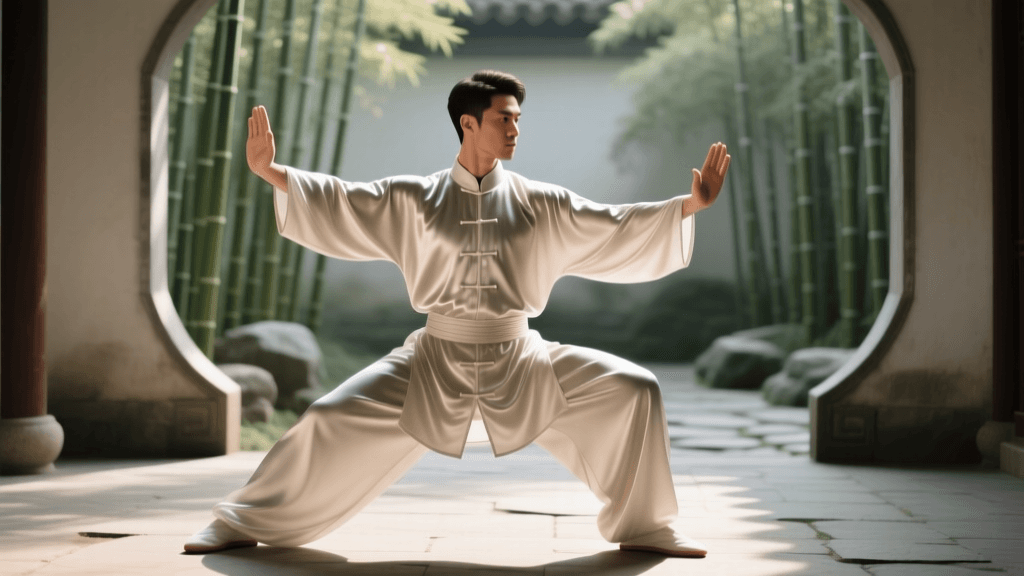
The traditional Tai Chi suit, known as Taijiquan fu, is designed with specific structural elements that honor Chinese sartorial history while accommodating the deep stances and sweeping arm movements characteristic of internal martial arts.
The Mandarin Collar and Frog Buttons
The jacket typically features a Mandarin collar (Li Ling), a short, unfolded stand-up collar that frames the neck without restricting the flow of Qi (energy) through the throat chakra. The closure system relies on Pan Kou, or traditional Chinese frog buttons. These intricate knot buttons are not just decorative; they lie flat against the body, ensuring that when you perform grounding exercises or lie flat for meditation, no hard plastic or metal zippers dig into your skin.
The Cut of the Trousers
Tai Chi trousers are engineered for the Ma Bu (horse stance) and Pu Bu (drop stance). Unlike standard athletic pants, they feature a high rise and a diamond-shaped gusset in the crotch. This gusset provides an extra 3 to 5 inches of fabric, preventing the seams from tearing when you sink into a deep, wide stance. The legs are generally cut wide and straight, sometimes tapering slightly at the ankle with a soft elastic or tie cuff to prevent tripping during sweeping kicks.
Fabric Selection: What to Wear for Flow and Form
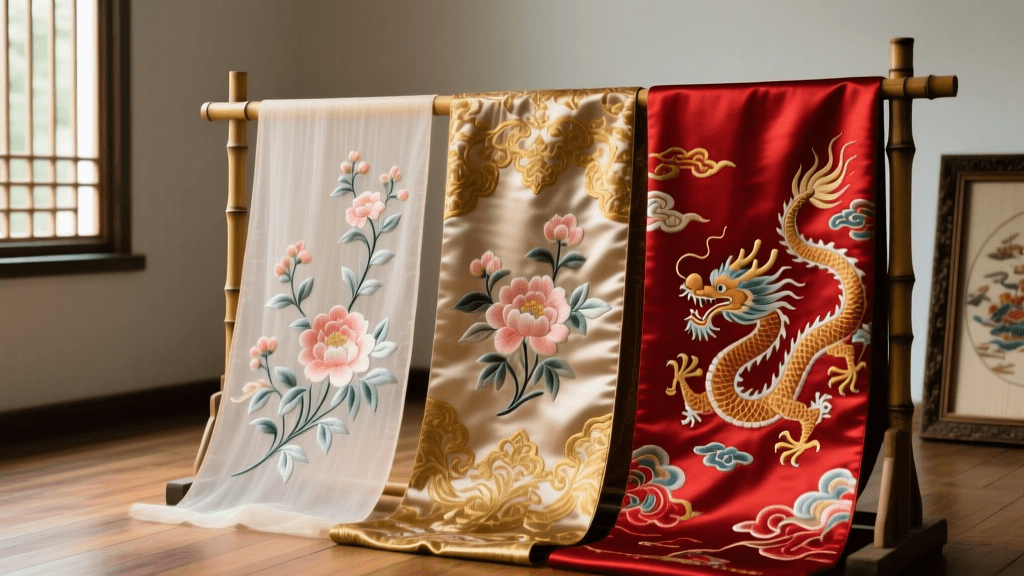
Choosing the right fabric is paramount. The textile must drape beautifully to highlight the fluidity of your forms, yet be durable enough to withstand daily friction and sweat. Historically, as noted by the Metropolitan Museum of Art's Heilbrunn Timeline of Art History, Chinese silk has been the premier textile for centuries, prized for its luster and breathability. However, modern practitioners have a wider array of options.
| Fabric Type | Weight & Drape | Breathability | Best Season / Environment | Estimated Cost (USD) |
|---|---|---|---|---|
| Mulberry Silk | Lightweight, exceptional drape | Very High | Summer, indoor studios, competitions | $80 - $180 |
| Cotton Poplin | Medium weight, structured | High | Spring/Autumn, outdoor park practice | $35 - $65 |
| Raw Linen | Heavy, textured, stiff initially | Maximum | Hot, humid climates | $50 - $90 |
| Ice Silk (Viscose Blend) | Lightweight, fluid, cool to touch | Moderate to High | Summer, high-sweat sessions | $25 - $50 |
| Charmeuse Satin | Medium, glossy finish, slippery | Low to Moderate | Winter (layered), stage performances | $40 - $75 |
Actionable Advice: If you are practicing outdoors in the early morning dew, avoid raw linen and silk, as they absorb moisture and become heavy. Opt for a cotton-polyester blend or Ice Silk, which wicks moisture and dries rapidly. For formal demonstrations, nothing commands respect quite like a heavyweight Mulberry Silk suit in deep navy or plum.
Wushu Performance Uniforms: Changquan and Nanquan
While Tai Chi suits prioritize flowing, unhindered movement for internal energy work, modern Wushu uniforms (Wushu fu) are built for external, athletic performance. Governed by the standards of organizations like the International Wushu Federation (IWUF), competitive Wushu uniforms are designed to accentuate speed, power, and acrobatic precision.
Key Differences in Tailoring
- Tapered Silhouettes: Unlike the wide legs of Tai Chi pants, Wushu Changquan (Long Fist) pants are heavily tapered, fitting snugly around the calves and ankles. This allows judges and audiences to clearly see the exact footwork and landing mechanics during aerial kicks like the Xuanfengjiao (tornado kick).
- Elastic Cuffs and Sashes: Wushu jackets often feature tight elastic cuffs at the wrists to prevent the sleeves from obscuring hand forms (fist and palm strikes). A wide silk sash is tied tightly around the waist to support the core during intense rotational twists.
- High-Contrast Fabrics: Wushu uniforms frequently utilize high-gloss satin with contrasting paneling, embroidery, and metallic threading to catch the arena lighting during rapid movements.
Sizing and Fit: Measuring for the Stance
Buying off-the-rack martial arts clothing often leads to compromised fits. To ensure your garment supports rather than restricts your practice, take the following measurements while wearing your base layer:
- The Stance Test (Inseam & Rise): Stand in your deepest Ma Bu (horse stance). Have a partner measure from your crotch to the floor. Your Tai Chi pants must have a rise that sits at your natural waist, not your hips. Add 2 inches to your standard inseam measurement to account for the pants riding up when your knees bend deeply.
- Shoulder Drop: The shoulder seam of a Tai Chi jacket should drop 1 to 2 inches past your natural shoulder bone. This 'drop shoulder' construction prevents the fabric from pulling across your chest when you raise your arms for postures like 'White Crane Spreads Its Wings.'
- Chest and Back Allowance: Measure your chest at its widest point and add 4 to 6 inches. The jacket should billow slightly when you stand still, collapsing gracefully against your body as you exhale and compress your torso during forms.
'The uniform should feel like water against the skin—present, yet entirely unobtrusive. If you are thinking about your clothing while practicing your form, the fit is wrong.' — Master Li, Traditional Wushu Instructor
Footwear: Grounding Your Practice
Your connection to the earth is the foundation of all martial arts. Modern running shoes with thick, cushioned heels are detrimental to Tai Chi and Wushu, as they elevate the heel, alter your center of gravity, and numb the proprioceptive feedback from the soles of your feet.
The Feiyue Martial Arts Shoe
The gold standard for traditional practice is the Feiyue (Flying Leap) shoe. Originally designed in Shanghai in the 1920s, these canvas shoes feature a thin, flexible rubber sole that allows you to grip the floor and feel the subtle shifts in your weight distribution. They cost between $15 and $30, making them an incredibly accessible investment.
Traditional Cloth Shoes (Bu Xie)
For indoor practice on smooth wood floors, traditional multi-layered cotton cloth shoes offer excellent slide-and-grip characteristics. They allow for the smooth pivoting required in Baguazhang and Tai Chi, but they offer zero water resistance and should never be worn on concrete or damp grass.
Care and Maintenance of Martial Arts Garments
Proper care extends the life of your practice wear and maintains the integrity of the fabrics.
- Silk Suits: Never machine wash silk. Hand wash in cold water using a pH-neutral detergent specifically designed for delicates. Do not wring the fabric; instead, roll it in a clean, dry towel to press out excess water, then lay it flat in the shade. Direct sunlight will degrade the silk proteins and fade the dye.
- Cotton and Linen: These can be machine washed on a gentle cycle with cold water. However, to prevent the Pan Kou (frog buttons) from fraying or catching on other garments, always place the suit inside a mesh laundry bag before washing.
- Storage: Hang your suits on wide, padded hangers to maintain the shoulder shape. Avoid wire hangers, which will create permanent dimples in the fabric. For long-term storage, fold the garments with acid-free tissue paper to prevent hard creases from forming along the joints.
Conclusion
Investing in high-quality, properly fitted Tai Chi and Wushu practice wear is an investment in your martial arts progression. By understanding the historical context, structural anatomy, and material science behind these garments, you can select attire that honors the rich traditions of Asian martial arts while providing the functional performance required for modern practice. Whether you are sinking into a low stance in the park or performing a dynamic routine on the competition floor, the right uniform will allow your body to move as freely as your mind.