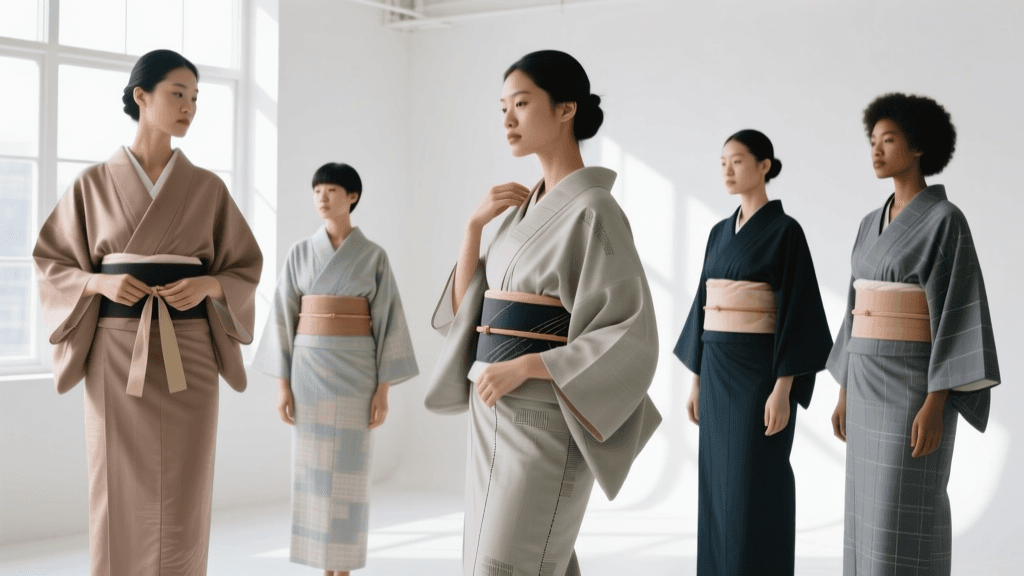
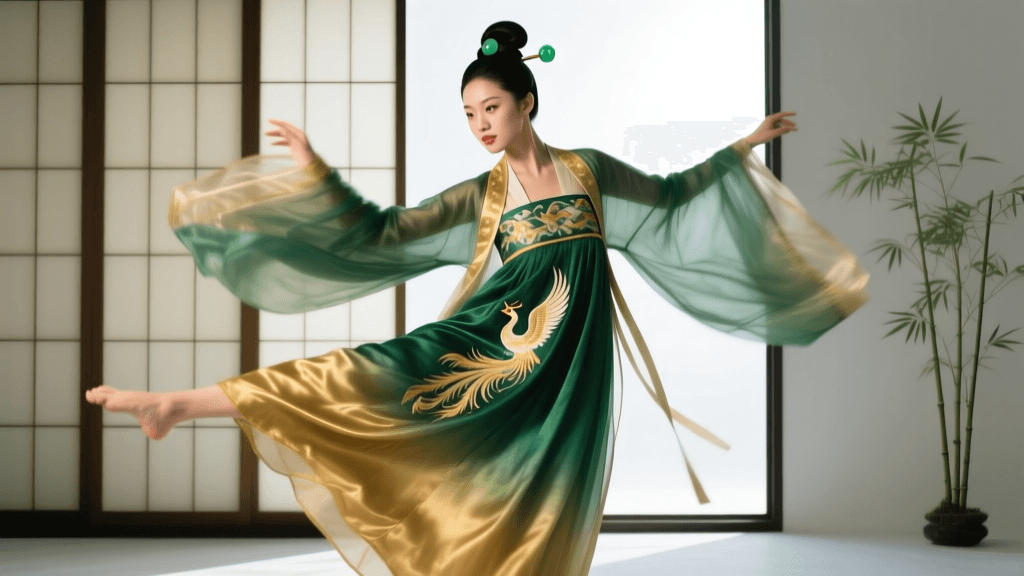
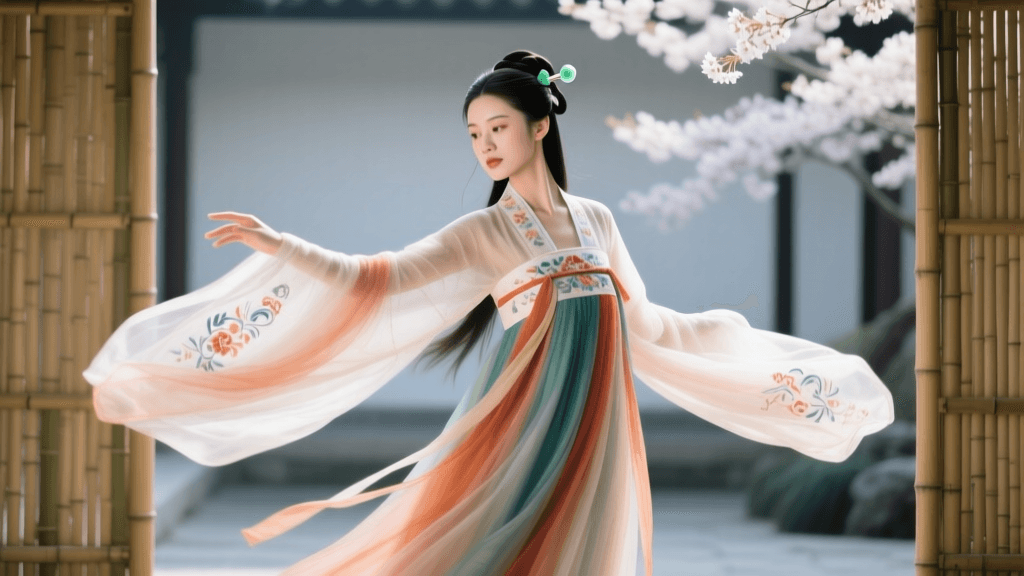
Complete Ming Hanfu Ensembles And Jade Hair Accessories
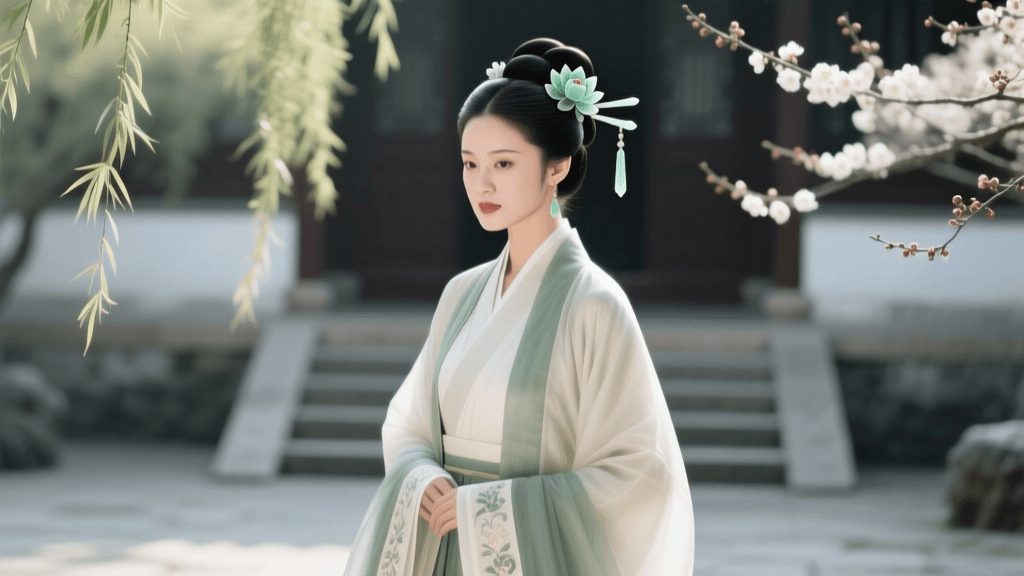
The Elegance of Ming Dynasty Hanfu and Jade
The modern Hanfu movement has beautifully resurrected centuries of Chinese sartorial history, allowing enthusiasts to reconnect with traditional aesthetics in everyday life and at cultural festivals. Among the various dynastic styles, the Ming Dynasty (1368–1644) remains one of the most sought-after eras for traditional dress. Ming silhouettes are celebrated for their structured elegance, modest layering, and intricate textile patterns. However, a truly complete Ming Dynasty Hanfu ensemble extends far beyond the garments themselves; it requires a meticulous approach to hair styling and the selection of authentic accessories.
In traditional Chinese culture, jade has always held a supreme position, symbolizing purity, moral integrity, and protection. As noted by the Metropolitan Museum of Art, the Ming era saw a significant flourishing of jade carving, with artisans producing exquisite personal adornments that reflected the wearer's social standing and refined taste. Pairing a meticulously tailored Ming Hanfu set with historically inspired jade hair accessories creates a harmonious, head-to-toe aesthetic that honors this rich heritage.
Anatomy of a Complete Ming Dynasty Hanfu Ensemble
To build a cohesive look, one must first understand the foundational garments of the Ming wardrobe. The ensemble typically consists of an upper garment and a lower skirt, bound by strict rules of proportion and modesty.
The Upper Garment: Ao and Shan
The upper body is adorned with either a Shan (an unlined, lighter top for spring and summer) or an Ao (a lined, warmer top for autumn and winter). Both feature the iconic Jiaoling Youren (cross-collar, right lapel) closure. The defining feature of Ming upper garments is the Pipa sleeve—named after the traditional Chinese lute—which is narrow at the wrist and curves outward toward the shoulder, offering a graceful, structured drape. When commissioning or buying off-the-rack, ensure the garment length falls between 65cm and 75cm, ending just below the hips to maintain the correct historical proportion over the skirt.
The Lower Skirt: Mamianqun
The Mamianqun, or horse-face skirt, is the undisputed centerpiece of Ming women's fashion. It is constructed from two overlapping panels of fabric featuring flat, unpleated sections at the front and back (the 'horse faces') with heavily pleated sides. A standard, historically accurate Mamianqun requires between 4.5 to 6 meters of fabric circumference. For a flattering drape that holds its structure, look for skirts with 12 to 16 pairs of knife pleats. The waistband should be measured precisely to your natural waist, typically utilizing a sturdy cotton or silk blend to prevent the heavy skirt from slipping during wear.
The Crown of the Ensemble: Jade Hair Accessories
Hair in the Ming Dynasty was rarely left down; it was swept into elaborate updos and secured with a variety of pins and combs. Jade was the premier material for these accessories, prized for its cool touch and spiritual resonance.
Essential Hairpin Types
- Zan (Single-Prong Pin): The structural workhorse of the updo. A jade Zan is typically 15cm to 18cm long, used to anchor the bulk of the hair.
- Chai (Double-Prong Pin): Features two prongs for better grip, often adorned with a carved jade motif like a lotus or phoenix at the head.
- Buyao (Dangling Hairpin): Translating to 'step-shake', these feature jade pendants suspended on delicate metal chains that sway gently with movement.
- Shu (Hair Comb): A crescent-shaped jade or jade-inlaid comb placed prominently at the front or crown of the updo for decorative emphasis.
Understanding Jade Grades and Types
When sourcing jade hair accessories, it is vital to understand the mineralogical differences. According to the Gemological Institute of America (GIA), the term 'jade' encompasses two distinct minerals: Nephrite and Jadeite. Historically, Chinese artisans carved Nephrite (specifically Hetian jade), while Jadeite became highly popular in later centuries. Below is a practical comparison to help you choose the right jade for your Hanfu accessories.
| Jade Type | Hardness (Mohs) | Visual Traits | Avg. Cost (USD) | Best Accessory Use |
|---|---|---|---|---|
| Hetian (Nephrite) | 6.0 - 6.5 | Translucent, creamy white (mutton fat) or deep spinach green | $200 - $1,500+ | Heirloom Zan and Chai pins |
| Xiuyan (Nephrite) | 4.5 - 5.5 | Yellow-green, highly translucent, often with dark inclusions | $30 - $120 | Everyday Buyao and combs |
| Dushan (Nephrite) | 6.0 - 6.5 | Multi-colored, opaque, striking bands of white, green, and pink | $80 - $300 | Carved floral Shu (combs) |
| Jadeite | 6.5 - 7.0 | Vibrant, glassy, ranges from pale green to imperial emerald | $150 - $5,000+ | Statement centerpiece hairpins |
Step-by-Step Styling: Assembling the Look
Achiving a secure and historically inspired updo requires practice and the right tools. Follow these actionable steps to style your hair for a Ming Dynasty ensemble.
Hair Preparation and Updos
Traditional Ming updos, such as the Diji (a low, elegant bun at the nape) or the Baoji (a wrapped, rounded bun), require significant hair volume. If your hair is naturally fine or short, invest in a color-matched hair donut or synthetic padding piece. Begin by brushing your hair thoroughly and applying a light-hold texturizing spray to give the pins something to grip. Pull the hair into a tight, low ponytail at the crown or nape, depending on your chosen style, and wrap the hair around the base, securing it temporarily with U-shaped hairpins.
Placement of Jade Accessories
The placement of jade follows a hierarchy of balance. Insert your primary structural Zan horizontally through the center of the bun to lock the hair in place. Next, position a decorative Shu (comb) at the front edge of the bun, ensuring the carved motif faces outward. Finally, insert a Buyao at a 45-degree angle on the left or right side of the bun. The asymmetrical placement of the dangling Buyao creates a dynamic, sweeping line that complements the structured symmetry of the Mamianqun below.
Sourcing and Budgeting Your Ensemble
Building a complete, high-quality Ming Hanfu and jade accessory collection requires careful budgeting. Here is a realistic breakdown of costs for a mid-tier enthusiast wardrobe:
- Upper Garment (Ao/Shan): $60 to $150 for woven jacquard cotton or mid-grade silk blends.
- Mamianqun Skirt: $80 to $200. Look for skirts with woven metallic threads (Zhijin) for formal events, or printed cotton for daily wear.
- Xiuyan Jade Hairpin Set: $50 to $100 for a matching Zan and Buyao set, perfect for beginners.
- Hair Accessories and Padding: $20 to $40 for U-pins, combs, and styling tools.
When purchasing jade, always request a certificate of authenticity from a recognized gemological lab. Beware of 'jade' sold at suspiciously low prices, as these are often dyed quartz, glass, or resin. A genuine piece of Xiuyan or Hetian jade will feel noticeably cold to the touch and will not exhibit perfectly uniform, bubble-like inclusions typical of glass. By investing in authentic materials and understanding the structural nuances of Ming tailoring, you can curate a Hanfu ensemble that is not only visually breathtaking but deeply rooted in Asian cultural traditions.