Inclusive Kimono Guide: Styling for All Bodies & Genders
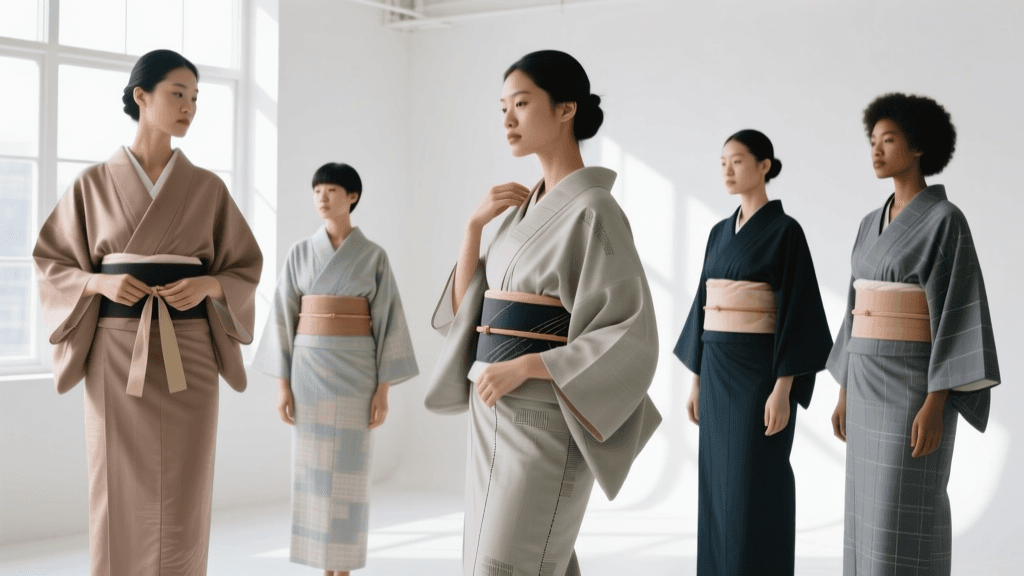
The kimono is often misunderstood in the West as a rigid, restrictive garment reserved for a singular, idealized body type. In reality, the traditional Japanese kimono is a masterclass in modular, wrapped fashion. Because it is constructed from straight bolts of fabric known as tanmono and wrapped around the body, it possesses an inherent flexibility that modern tailored clothing lacks. Today, a renaissance in Japan's kimono industry is actively dismantling outdated sizing stigmas, welcoming plus-size individuals, tall and petite wearers, and the gender-nonconforming community into the world of kitsuke (the art of dressing).
The Myth of the 'Standard' Size
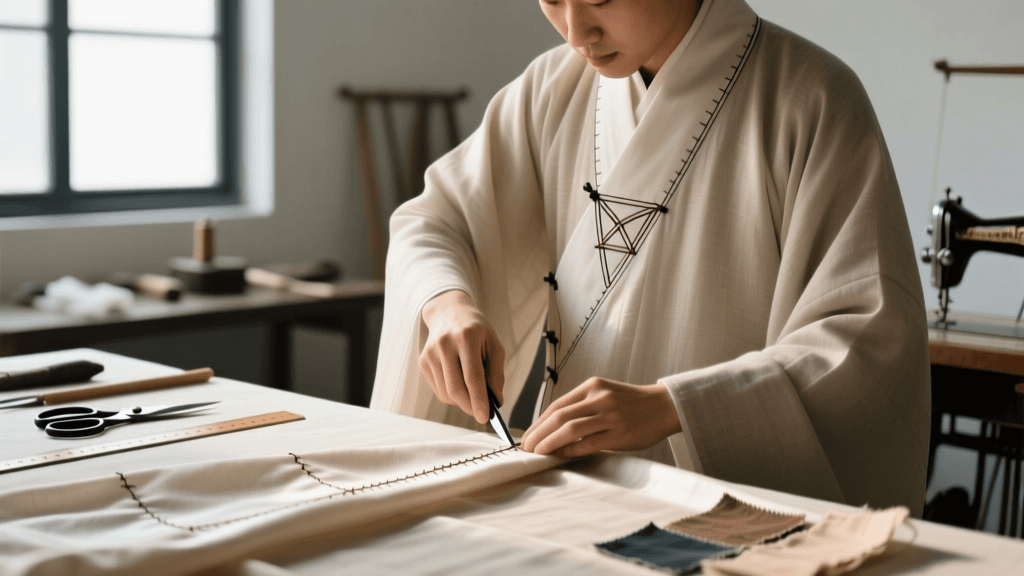
Historically, kimonos were not bought off the rack in standardized sizes. A bolt of fabric was woven to the specific measurements of the wearer, then cut and sewn. If the wearer's body changed, the garment could be entirely taken apart, washed, and resewn. However, the mid-20th century push for mass production and the rise of the secondhand vintage market created a 'standard' size that often alienates modern, diverse bodies. Understanding the foundational measurements of the kimono is the first step toward reclaiming this garment for everyone.
Decoding Kimono Measurements
Unlike Western clothing, which relies heavily on bust, waist, and hip circumferences, kimono fitting revolves around width and length adjustments. The most critical measurement is the yuki (the distance from the center back of the neck, over the shoulder, to the wrist). Another vital metric is the mitake (the total length of the garment from shoulder to hem), and the maemigoro (the width of the front body panels).
| Measurement | Petite (Under 5'2') | Standard (5'3' - 5'6') | Tall / Plus (Over 5'7' / Curvy) |
|---|---|---|---|
| Yuki (Sleeve Length) | 24 - 25 inches | 25.5 - 27 inches | 27.5 - 30+ inches |
| Mitake (Body Length) | 48 - 51 inches | 52 - 56 inches | 57 - 62+ inches |
| Maemigoro (Front Width) | Standard (approx. 10 in) | Standard (approx. 10 in) | Extended (12 - 15+ in) |
Actionable Styling Tips by Body Type
Petite Frames: Mastering the Ohashori
For wearers under 5'2' (157 cm), managing excess length is the primary challenge. The ohashori—the waist fold that adjusts the kimono's length—is your most important tool. The excess fabric is folded deeply at the waist and secured with the datejime (under-sash). To avoid being visually swallowed by heavy fabric, petite wearers should opt for komon (small, repeating patterns) or edokomon (micro-patterns). Large, sweeping yuzen motifs can overwhelm a smaller frame, whereas vertical, subtle patterns elongate the silhouette. Additionally, choosing a narrower nagoya obi rather than a wide fukuro obi prevents the torso from looking disproportionately short.
Plus-Size and Curvy Figures: Width and Support
Standard vintage kimonos often fall short in the maemigoro width, causing the front panels to pull and expose the undergarments. For curvy or plus-size figures, modern retailers now offer extended-width tanmono or innovative two-piece kimonos (ni-bu-shiki) that provide extra room at the hips. When tying the obi (sash), avoid stiff, heavily brocaded maru obi which can dig uncomfortably into the midsection. Instead, utilize a tsuke-obi (pre-tied sash) made from soft, stretchable materials, or a lightweight, soft-weave nagoya obi tied in a simple, elegant otaiko (drum) knot. Strategic use of kimono padding (hosou-gu) around the lower back and hips creates a smooth, cylindrical canvas, preventing the obi from slipping and ensuring a comfortable fit all day.
Tall Silhouettes: Sourcing Length and Embracing Scale
Finding adequate mitake is the primary hurdle for wearers over 5'8' (173 cm). If the kimono is too short, the ohashori cannot be formed, which breaks traditional dressing rules. Vintage markets are excellent resources; historical garments from the Taisho and early Showa eras were often cut longer to accommodate different historical aesthetics. If purchasing new, seek out artisans who weave custom-length bolts. Tall individuals possess the frame to beautifully carry bold, dramatic gara (patterns) and can balance wide, heavily embroidered fukuro obi with striking visual harmony.
Breaking the Binary: Gender-Inclusive Kimono Fashion
Historically, the foundational garment of Japan, the kosode, was largely unisex. The strict gender binaries seen in modern kimono—such as the deep, swinging sleeves of the women's furisode versus the narrow, attached sleeves of the men's kimono—are largely Edo-period and Meiji-era constructs designed to enforce societal roles. Today, the genderless fashion movement in Japan is heavily influencing traditional wear, allowing non-binary, transgender, and gender-fluid enthusiasts to blend masculine and feminine elements seamlessly.
A popular gender-neutral styling technique involves pairing a solid, dark iromuji (single-colored kimono) with a hakama (pleated trousers or skirt) and a structured haori (jacket). This silhouette, historically worn by scholars, martial artists, and samurai, offers a striking, architectural look that transcends modern gender norms. Furthermore, men's haori often feature hidden, luxurious haura (lining) designs—a subtle, intimate flair now enthusiastically embraced by wearers of all genders who wish to subvert traditional expectations of modesty and display.
'The kimono is not a static relic bound by rigid historical rules; it is a dynamic, living fashion medium that has continuously adapted to global and diverse body types over centuries.' — Adapted from the Victoria and Albert Museum's landmark exhibition, Kimono: Kyoto to Catwalk.
Where to Source Inclusive Kimonos
For tourists and beginners, renting is the most accessible entry point. Renting an inclusive kimono in cultural hubs like Kyoto's Higashiyama district or Tokyo's Asakusa typically costs between $40 and $90 USD for a full-day experience, including professional dressing services. Progressive shops such as Yumeyakata and Okamoto have begun actively stocking extended sizes, offering larger juban (undergarments), and training their kitsuke stylists in gender-neutral dressing techniques.
For those looking to purchase and build a personal collection, a standard off-the-rack polyester or washable cotton kimono costs around $100 to $300 USD. Brands like Yamato and Tansu-ya are increasingly transparent about their garment measurements, allowing online shoppers to buy based on exact yuki and mitake rather than arbitrary S/M/L sizing. For a truly bespoke experience, a custom-tailored silk kimono woven in Kyoto's historic Nishijin district will range from $1,500 to over $5,000 USD, ensuring a perfect, inclusive fit that honors both the wearer's body and the artisan's craft.
Conclusion
The beauty of the kimono lies not in its ability to mold the body into a specific shape, but in its capacity to drape, fold, and adapt to the human form it adorns. Whether you are petite, plus-size, tall, or exploring gender-neutral expressions, the world of kitsuke offers a welcoming space. By understanding your measurements, utilizing modern styling adaptations, and embracing the garment's fluid history, anyone can wear the kimono with confidence, dignity, and profound personal style.