A Guide to Kimono Seasonality: Layering and Dressing Rules
Introduction to Kimono Seasonality
In Japanese culture, the concept of shiki (the four seasons) dictates not only culinary and architectural practices but also the intricate rules of traditional dress. The kimono is far more than a static garment; it is a dynamic canvas that reflects the exact time of year, the weather, and the wearer's respect for nature and tradition. Understanding kimono seasonality requires mastering a complex interplay of fabric weights, linings, layering techniques, and seasonal motifs. According to the Metropolitan Museum of Art, the kimono's T-shaped structure allows for versatile layering, making it uniquely adaptable to Japan's distinct seasonal shifts while maintaining a graceful silhouette.
The Three Pillars of Kimono Seasonality
The most fundamental rule of kimono dressing is selecting the correct garment construction for the month. Unlike Western fashion, which often transitions based on daily weather fluctuations, traditional kimono rules are strictly tied to the calendar. The year is divided into three primary wearing seasons based on the garment's lining.
| Kimono Type | Japanese Term | Wearing Months | Lining | Typical Fabrics |
|---|---|---|---|---|
| Lined | Awase (袷) | October 1 to May 31 | Fully lined with silk or synthetic habutae | Rinzu, Chirimen, Tsumugi, Omeshi |
| Unlined | Hitoe (単衣) | June 1 to June 30; Sept 1 to Sept 30 | Unlined (single layer of fabric) | Lightweight silk, Ro, Sha, linen |
| Sheer/Summer | Usuyamono (薄物) | July 1 to August 31 | Unlined, sheer, and breathable | Ro, Sha, Koma-chirimen, hemp |
Awase: The Lined Kimono
The Awase is worn for eight months of the year. It features an inner lining (called dōura for the body and sodeguchi for the sleeve openings) that provides warmth and gives the garment structural weight. When dressing in an Awase, the collar is folded to reveal exactly 1.5 to 2 centimeters of the inner lining, a subtle detail that signals proper tailoring.
Hitoe: The Transitional Unlined Kimono
Worn during the humid beginnings of summer (June) and the lingering warmth of early autumn (September), the Hitoe lacks an inner lining. The seams are finished with intricate interior folds rather than hidden behind a lining layer. Because it is lighter, a Hitoe requires a slightly stiffer obi-jime (decorative cord) to hold the obi in place without the friction provided by a lined garment.
Usuyamono: The Sheer Summer Garment
During the peak heat and humidity of July and August, wearers transition to Usuyamono (often referred to as Natsugi). These garments are woven with open-weave techniques like Ro (alternating solid and open rows) or Sha (continuous open weave). The transparency of the fabric is intentional, and the undergarments worn beneath become a visible part of the aesthetic.
The Art of Kasane: Layering Techniques
Historically, the Heian period (794–1185) saw the pinnacle of kimono layering with the Jūnihitoe, a twelve-layered ensemble worn by court ladies. Today, the art of Kasane (layering) is more subdued but remains a critical dressing technique, particularly around the neckline and the hem.
Neckline Layering (Kasane-eri)
The most visible layering technique involves the han-eri (half-collar). A standard han-eri measures 15 centimeters in width and 100 centimeters in length. For formal winter events, dressers employ kasane-eri, which involves pinning a secondary, contrasting silk collar beneath the primary white collar. The secondary collar is positioned to peek out by exactly 2 to 3 millimeters at the nape of the neck. This mimics the historical layering of multiple kimono without the crushing weight of actual extra garments. Modern dressers often use specialized collar-stays (plastic or metal inserts measuring 14cm x 1cm) inside the han-eri to ensure the collar remains perfectly crisp and stands away from the neck by a precise 2-centimeter gap, known as the eri-nuki.
Hem and Sleeve Peeking (Iromachi)
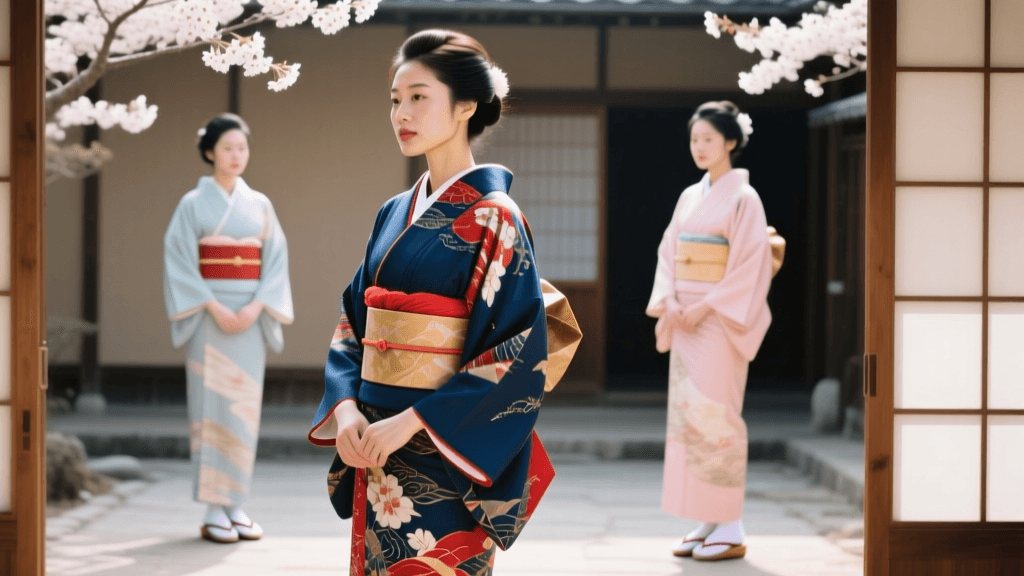
When walking or kneeling, the inner layers of the kimono or the vibrant red silk lining of the sleeve openings (sodeguchi) briefly flash into view. In winter, a red or deep crimson lining is preferred for its visual warmth and historical association with warding off evil spirits. In summer, cool tones like pale blue, silver, or sheer white linings are utilized to provide a psychological cooling effect to the observer.
Practical Dressing Techniques for Temperature Control
While the calendar dictates the outer kimono, the dresser must employ practical techniques to manage personal comfort, as Japan's summers are notoriously sweltering and its winters can be biting.
Summer Cooling Techniques
When dressing in an Usuyamono in July, managing perspiration is paramount to protect the delicate silk.
- Suteteko and Koshi-maki: Instead of a full-length slip, summer dressing utilizes a koshi-maki (a waist-half-slip) paired with suteteko (lightweight, breathable leggings). Modern versions made from cooling, moisture-wicking synthetic blends cost between $20 and $40 and are essential for preventing sweat from reaching the outer silk.
- Obi Adjustments: The standard Nagoya-obi is 30 centimeters wide. In summer, dressers tie the obi slightly higher on the torso and use a thinner, unlined hakata-ori obi to reduce bulk and allow for better air circulation around the lower back.
- Eri-nuki (Collar Pulling): The back collar is pulled down further than in winter, exposing more of the nape to the air, which serves both as a traditional aesthetic of elegance and a practical cooling measure.
Winter Warmth Techniques
Wearing a lined Awase in January requires strategic insulation, as traditional silk does little to block the wind.
- Hada-juban and Thermal Layers: A specialized V-neck thermal undershirt (hada-juban) is worn. Modern dressers frequently substitute this with ultra-thin, low-neck thermal wear to ensure the undergarment remains hidden beneath the kimono's deep neckline.
- Kairo (Heat Packs): Adhesive heat packs are strategically applied to the undergarments, never the silk kimono. The two primary placement zones are the lower back (over the kidneys) and the lower abdomen. This targeted heating warms the blood circulating through the body without adding physical bulk that would ruin the cylindrical silhouette of the obi.
- Haori and Shawls: Outdoors, a lined Haori (hip-length jacket) is worn. For formal occasions where a haori is inappropriate, specialized silk or cashmere shawls are draped over the shoulders and secured with an obi-dome or hidden clips.
Seasonal Motifs and the Rule of Anticipation
The visual design of the kimono follows a strict temporal rule: motifs must anticipate the season, never lag behind it. As noted by the Victoria and Albert Museum, the Japanese aesthetic deeply values the fleeting nature of the seasons, and wearing a motif after it has peaked in nature is considered a sartorial faux pas.
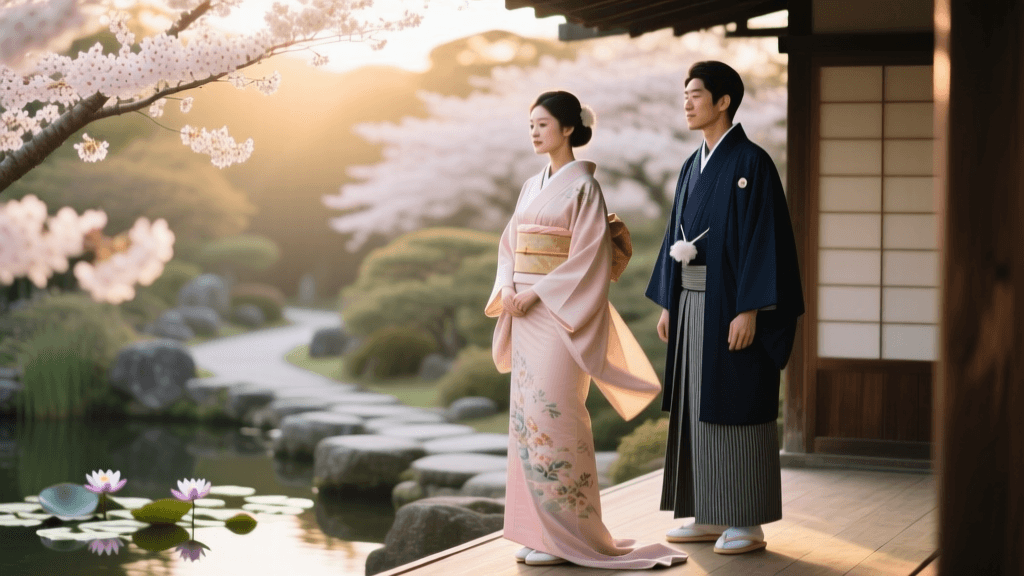
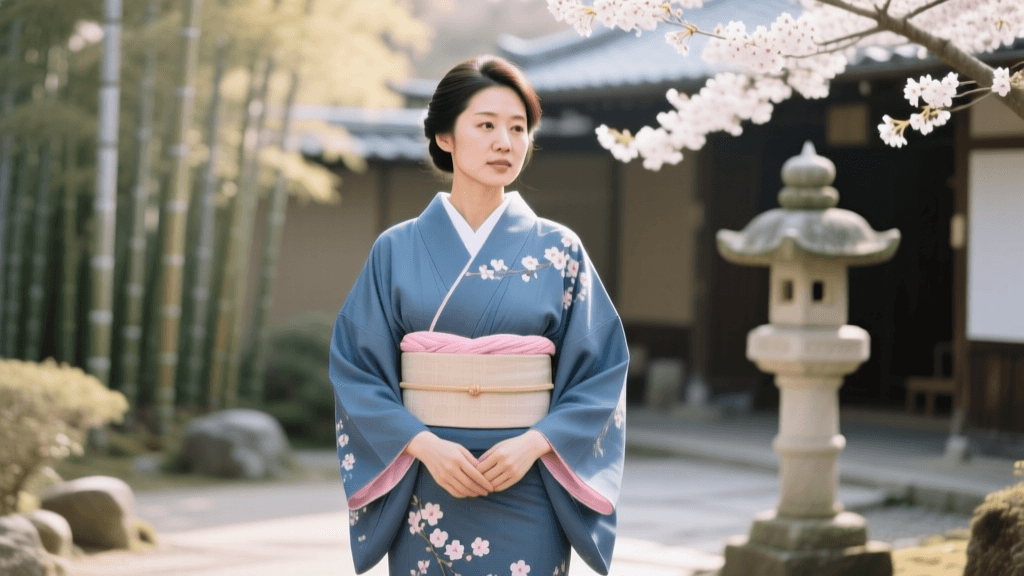
For example, cherry blossom (sakura) motifs are worn in late February and March, while the buds are still forming or just beginning to open. Once the cherry blossoms are in full bloom in April, wearing a sakura kimono is considered late; instead, the dresser transitions to motifs of wisteria, iris, or peonies. Similarly, autumn motifs like maple leaves and susuki grass are introduced in late August and September, well before the leaves actually turn color in November. This practice, known as saki-dori (taking the lead), demonstrates the wearer's refined anticipation and deep appreciation for the impending natural shifts.
Sourcing and Costs for Seasonal Garments
Building a complete seasonal kimono wardrobe requires strategic sourcing. Because the wearing window for Hitoe and Usuyamono is so brief (only two months each), these garments are often less common in the secondhand market compared to the versatile Awase.
- Vintage Market: A high-quality, vintage silk Awase can be sourced from specialized online dealers or Kyoto flea markets for $50 to $200. However, a pristine vintage Hitoe or sheer Ro summer kimono often commands a premium, ranging from $120 to $350, due to their scarcity and the fragility of open-weave silks.
- Custom Tailoring: For those seeking modern, washable, or custom-fitted seasonal wear, purchasing a 13-meter bolt of kimono silk (tanmono) and commissioning a tailor is the traditional route. A standard bolt of summer Koma-chirimen costs between $150 and $400. Tailoring fees for a Hitoe (which requires more meticulous, hidden seam finishing than an Awase) typically range from $250 to $400, bringing the total investment for a bespoke unlined kimono to roughly $400 to $800.
- Rental Services: For tourists or those attending single seasonal events, the Japan National Tourism Organization highlights the abundance of rental shops in cultural hubs like Kyoto and Kanazawa. Renting a fully dressed, seasonally appropriate kimono ensemble, complete with a licensed dresser's services, typically costs between $40 and $80 for a full day, offering a practical, cost-effective way to experience the nuances of shiki without the burden of garment maintenance.
Mastering kimono seasonality is a lifelong pursuit that blends historical reverence with practical adaptation. By respecting the boundaries of the calendar, utilizing intelligent layering techniques, and anticipating the shifts in nature, the wearer transforms the kimono from a mere article of clothing into a living, breathing reflection of the Japanese landscape.