Destination Kimono Weddings: The Ultimate Planning Guide
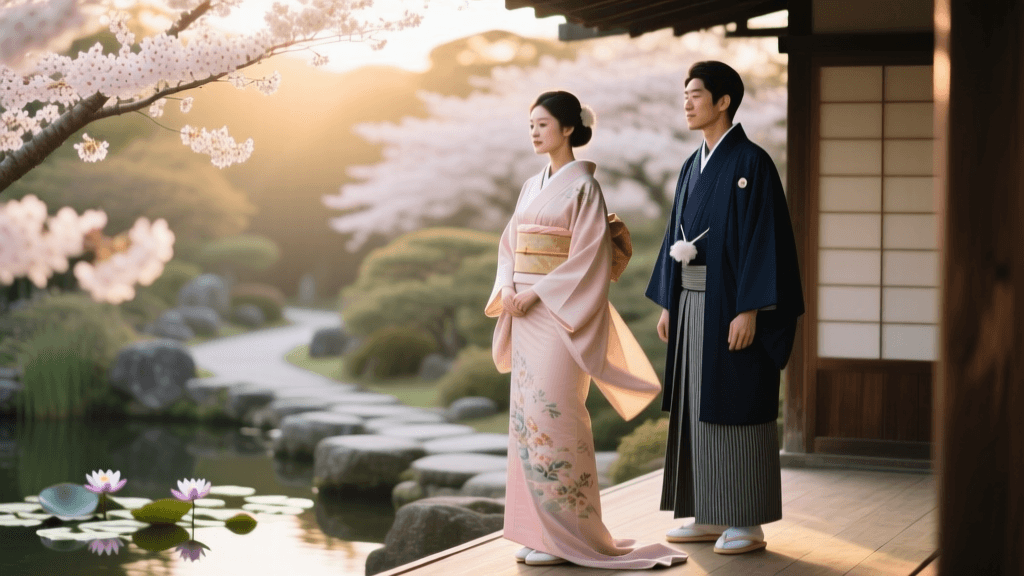
The Allure of the Destination Kimono Wedding
Planning a destination wedding is a monumental task that requires balancing logistics, aesthetics, and cultural significance. For couples drawn to the rich heritage of Asian traditions, incorporating a traditional Japanese kimono into a destination wedding or special event offers a breathtaking visual narrative. The kimono is not merely a garment; it is a wearable canvas that reflects centuries of artistry, symbolism, and meticulous craftsmanship. According to the Victoria and Albert Museum, the kimono has historically served as a profound indicator of social status, age, and marital status, making it an incredibly meaningful choice for a bridal ceremony.
However, executing a traditional Japanese wedding abroad presents unique challenges. Unlike Western bridal gowns, which are tailored to the individual's exact measurements and zipped or buttoned into place, a kimono is a straight-line, T-shaped garment constructed from standard-width fabric bolts known as tanmono. It requires a complex, multi-layered dressing process called kitsuke, specialized undergarments, and careful handling of delicate textiles like silk and brocade. This comprehensive guide provides actionable advice, precise timelines, and logistical strategies for couples planning a destination kimono wedding, ensuring your celebration is as seamless as it is stunning.
Selecting the Right Bridal Kimono for Travel
Choosing the appropriate garment is the first critical step. Bridal kimono are generally heavier and more ornate than everyday wear, which directly impacts travel logistics. The three primary options for brides are the Shiromuku, the Uchikake (or Iro-Uchikake), and the Furisode. Understanding the weight, formality, and packing requirements of each will help you align your garment choice with your destination venue.
The Shiromuku is the most formal and traditional bridal garment, consisting of an entirely white ensemble that symbolizes purity and the bride's willingness to be 'dyed' the colors of her new family. It is typically paired with a wataboshi (white hood) or tsunokakushi (horn-hiding headpiece). The Uchikake is a heavily brocaded outer robe worn open over a base kimono (kakeshita), often featuring vibrant colors and auspicious motifs like cranes or pine trees. For less formal destination elopements or reception dinners, a Furisode—a formal kimono with long, swinging sleeves worn by unmarried women—can be adapted for bridal wear with the addition of a bridal obi (sash).
| Garment Type | Weight & Bulk | Packing Difficulty | Estimated Purchase Cost | Best Destination Setting |
|---|---|---|---|---|
| Shiromuku (White) | Heavy (4-7kg) | High (Multiple layers) | $2,000 - $15,000+ | Indoor shrines, luxury hotels, climate-controlled halls |
| Uchikake (Brocade) | Heavy (4-6kg) | High (Stiff brocade) | $1,500 - $10,000 | Garden estates, banquet halls, autumn/winter weddings |
| Furisode (Long Sleeve) | Moderate (2-3kg) | Moderate | $800 - $5,000 | Beach, outdoor civil ceremonies, spring/summer events |
| Yukata / Hakama | Light (1-2kg) | Low | $150 - $600 | Casual elopements, rehearsal dinners, summer festivals |
Sourcing, Measurements, and the 8-Month Timeline
Unlike Western dresses that are altered to fit the body, the body must be padded and folded to fit the kimono. Standard kimono are cut to fit a person roughly 150cm to 160cm tall. The length is adjusted via the ohashori, a waist tuck that allows the hem to fall perfectly at the ankle. If a bride is taller than 170cm, finding a vintage or ready-made kimono with enough length for a proper ohashori can be exceedingly difficult. In such cases, couples must either commission a custom kakeshita (which requires at least 6 months of lead time) or accept a modern compromise where the tuck is omitted, though this breaks traditional sartorial rules.
To ensure a stress-free experience, adhere to this destination wedding timeline:
- 8 Months Prior: Source the main garment. If purchasing vintage, factor in time for professional cleaning (maru-arai) and potential stain removal. As noted by the Metropolitan Museum of Art, historical silk weaving techniques and metallic thread embroidery require specialized conservation and care.
- 6 Months Prior: Purchase all undergarments and accessories. You will need a hadajuban (skin layer), susoyoke (half-slip), nagajuban (long under-robe), eri-shin (collar stiffener), at least five koshihimo (cotton ties), two datejime (wide sashes), an obi-ita (front board), and an obi-makura (obi pillow).
- 4 Months Prior: Book a traveling kitsuke-shi (professional dresser) or begin intensive DIY dressing practice. Securing a licensed dresser who is willing to fly internationally requires early negotiation regarding flights, accommodation, and day rates.
- 1 Month Prior: Conduct a full dress rehearsal with all layers. This is crucial for destination brides to test mobility, bathroom logistics, and heat tolerance.
The Art of Packing: Protecting Silk and Brocade
Packing a bridal kimono for international travel requires abandoning standard luggage habits. Never use plastic dry-cleaning bags or vacuum-sealed storage, as these trap moisture and can cause irreversible mold damage or permanent creasing in silk brocades. Instead, invest in tatoushi, which are traditional, breathable, acid-free kimono storage papers made from mulberry or specialized wood pulp.
Fold the garment precisely along its original seam lines to prevent stress on the silk fibers. Wrap the folded kimono in the tatoushi, and place it in a dedicated, rigid carry-on suitcase or a specialized garment travel box. Never check your bridal kimono in the cargo hold, as lost luggage could derail the entire ceremony. Include a few silica gel desiccant packets inside the tatoushi to control humidity fluctuations during the flight. For the obi, which is notoriously difficult to fold without damaging the stiff brocade core, roll it gently around a pool noodle or specialized obi roller to maintain its shape and prevent deep creases.
Kitsuke: Hiring a Professional vs. DIY Dressing
The kitsuke (dressing) process for a bride takes between 60 to 90 minutes and requires significant physical stamina. The dresser uses the cotton koshihimo ties to tightly bind the layers, create the ohashori tuck, and pad the body to achieve the traditional cylindrical silhouette, which minimizes the appearance of curves and provides a smooth canvas for the obi.
Hiring a professional kitsuke-shi to travel to your destination is the safest route for a flawless result. Expect to pay the dresser's standard day rate (typically $300 to $800 USD, depending on their rank and location), plus all travel and lodging expenses. If a traveling professional is outside your budget, many brides opt for the DIY route. This requires months of practice using a muslin practice kimono. Online communities and specialized YouTube channels offer step-by-step tutorials for the fukura-suzume (sparrow) or o-taiko (drum) obi knots. However, DIY brides must appoint a trusted bridesmaid to assist with the back knots and final adjustments, as tying a bridal obi on oneself is virtually impossible.
Venue Considerations and Cultural Etiquette
Your destination venue will dictate the practicality of your kimono. Traditional Japanese garments are designed for flat, even surfaces. If your wedding is on a beach, in a forest, or on uneven cobblestone, the trailing hem of an Uchikake or Shiromuku will act as a broom, collecting dirt, moisture, and debris. For outdoor or rugged destinations, a Furisode with a hem tied slightly higher, or a shorter hakama ensemble, is highly recommended.
Footwear is another critical consideration. Brides wear zori (formal sandals) with tabi (split-toe socks). Zori offer zero arch support and are not designed for walking long distances or standing on grass. Plan for a wheelchair, a golf cart, or a sturdy bridal assistant to help transport the bride from the dressing room to the ceremonial altar. Furthermore, be mindful of the venue's flooring. If the ceremony takes place on tatami mats or inside a historic wooden shrine, verify the venue's rules regarding footwear and the dragging of heavy brocade, as some heritage sites restrict certain garments to protect their floors.
"The global appreciation for the kimono has evolved from viewing it as an exotic costume to recognizing it as a masterpiece of textile engineering. When wearing these garments abroad, respecting the mechanics of the silk and the heritage of the weave is just as important as the visual aesthetic." — BBC Culture
Final Thoughts on Destination Elegance
A destination kimono wedding is a profound way to honor Asian traditions while celebrating your union in a breathtaking global location. By understanding the structural realities of the tanmono fabric, respecting the 8-month sourcing timeline, and carefully managing the logistics of packing and kitsuke, you can ensure your garments arrive in pristine condition. Whether you are walking down the aisle of a historic European castle or exchanging vows on a tropical shoreline, the meticulous preparation behind your bridal kimono will allow you to move through your special day with grace, confidence, and deep cultural resonance.