Complete Hanfu Ensembles: Styling With Jade Hair Accessories
The Resurgence of Hanfu and the Elegance of Jade
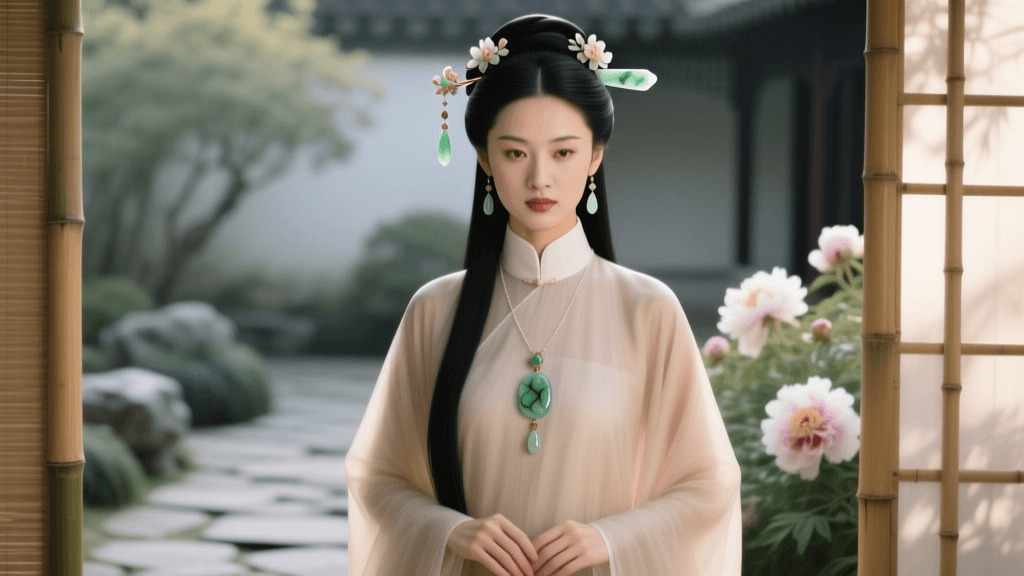
The global revival of traditional Chinese clothing, known as the Hanfu movement, has brought centuries of sartorial history back into the modern spotlight. However, a truly authentic and complete Hanfu ensemble extends far beyond the silk robes and pleated skirts. The crowning glory of any traditional Chinese outfit lies in its intricate hair styling and the careful selection of hair accessories. Among the myriad of materials used historically, jade holds an unparalleled position. Revered for its spiritual significance and understated elegance, jade hair accessories are the ultimate finishing touch for any Hanfu enthusiast looking to achieve a historically grounded and visually stunning aesthetic.
Styling a complete ensemble requires an understanding of garment proportions, historical accuracy, and the physical properties of the accessories themselves. This comprehensive guide will walk you through building a complete Hanfu outfit, authenticating jade materials, and mastering the art of traditional hair ornamentation.
Building the Complete Hanfu Ensemble
Before placing a single jade pin into your hair, the foundation of your ensemble must be meticulously assembled. A complete Hanfu outfit typically consists of inner garments, main outerwear, and structural skirts. For beginners and intermediate wearers, the Ming Dynasty style is highly recommended due to its structured silhouette and ease of wear.
Core Garment Measurements and Layers
- Inner Layer (Zhongyi): A lightweight, usually white or off-white cotton or linen top and bottom. This protects the outer silk layers from sweat and provides a crisp collar line. Ensure the collar sits exactly 1-2 cm above the outer garment's collar.
- Upper Garment (Ao or Shan): The Ao (lined jacket) or Shan (unlined shirt) features the iconic crossed collar (Jiaoling Youren), where the left side always crosses over the right. Sleeve lengths vary, but the popular Pipa sleeves should measure at least 160 cm from cuff to cuff to allow for elegant hand folding.
- Lower Garment (Mamianqun): The horse-face skirt is a staple. For a proper historical drape, the skirt waist should sit at your natural waistline, and the length should fall exactly 3-5 cm above the ground when wearing your intended shoes. A standard length is usually between 100 cm and 110 cm.
- Outerwear (Pifeng or Bijia): A sleeveless vest (Bijia) or a long open cloak (Pifeng) adds depth to the outfit and provides a canvas for contrasting embroidery that can later be matched with your jade accessories.
Understanding Jade in Traditional Hair Ornaments
In Chinese culture, jade (Yu) is more than a precious stone; it is a symbol of moral integrity, purity, and nobility. Confucius famously compared the qualities of jade to the virtues of a gentleman. When selecting jade for Hanfu accessories, historical accuracy dictates the type of jade you should choose based on the dynasty you are emulating.
According to the Gemological Institute of America (GIA), the term 'jade' encompasses two distinct minerals: Nephrite and Jadeite. Nephrite, specifically the renowned Hetian jade, is the historically accurate choice for dynasties ranging from the Han to the Ming. It is prized for its mutton-fat white or deep spinach green hues and its soft, oily luster. Jadeite (Feicui), characterized by its glassy luster and vivid emerald greens, only became widely popular in China during the late Qing Dynasty. Therefore, pairing vivid green Jadeite with a Tang or Song dynasty Hanfu ensemble is historically anachronistic, whereas it perfectly suits a late Qing or Republic-era aesthetic.
Material Comparison: Authentic Jade vs. Imitations
The market for Hanfu accessories is flooded with imitations. Understanding the physical properties of these materials is crucial for making informed purchases. The The Metropolitan Museum of Art's Heilbrunn Timeline of Art History notes that the Chinese have carved nephrite for over 5,000 years, making it the most culturally significant material for antique and reproduction hairpins.
| Material | Historical Era | Mohs Hardness | Avg. Cost (USD) | Identification Tip |
|---|---|---|---|---|
| Nephrite (Hetian) | Antiquity to Ming | 6.0 - 6.5 | $50 - $500+ | Oily luster, fibrous structure, cool to touch |
| Jadeite (Feicui) | Qing Dynasty onward | 6.5 - 7.0 | $100 - $1000+ | Glassy luster, granular structure, vivid colors |
| Serpentine (Xiu Yu) | All Eras (Budget) | 2.5 - 5.5 | $15 - $50 | Waxy luster, scratches easily with a steel pin |
| Glass/Resin | Modern Imitation | 5.5 (Glass) | $5 - $20 | Contains bubbles, mold marks, warms up quickly in hand |
Essential Jade Hair Accessories and How to Style Them
Styling Hanfu hair requires a structural foundation, usually achieved with a modern hair donut or a traditional wooden base, before the jade ornaments are applied. Here are the primary jade accessories and how to use them effectively.
1. Zanzi (Hairpins)
The Zanzi is a single-pronged hairpin used primarily for structural support and securing the bun. Measurements & Styling: A standard jade Zanzi measures between 15 cm and 18 cm in length. Because authentic nephrite is dense and heavy, the prong is often made of silver, gold, or brass, with only the decorative head carved from jade. Insert the Zanzi horizontally through the center of the bun, catching the hair at the base of the scalp to anchor the style. Never use a purely jade prong for thick hair, as the stone can snap under torsional stress.
2. Buyao (Step-Shake Ornaments)
The Buyao translates to 'step-shake,' featuring dangling elements that sway gracefully with the wearer's movements. Measurements & Styling: Buyao are heavily front-loaded and decorative. They should be placed at the front of the hairline or slightly to the sides of the main bun. To prevent the heavy jade beads from pulling the hair out, ensure the metal prong has a textured grip or wrap the prong in a tiny piece of clear elastic band before inserting it. Limit the dangling jade drops to no more than three per pin to maintain a refined, aristocratic look rather than an overly cluttered one.
3. Shubi (Hair Combs)
Ornamental combs are placed at the crown or front of the hair to display intricate jade carvings. Measurements & Styling: A decorative jade-backed comb should be roughly 8 cm to 12 cm wide. Push the comb teeth downward into the top of the bun, angling it slightly forward (about 15 degrees) so the jade face catches the light. For Ming Dynasty styling, a single, wide jade comb placed centrally above the forehead is highly authentic.
Color Coordination and Weight Management
Achieving visual harmony between your Hanfu garments and your jade accessories is an art form. The color of the jade should complement, not compete with, the embroidery of your clothing.
- Mutton-Fat White Jade: Highly versatile, this pairs beautifully with pastel Song Dynasty Ruqun (light blues, pinks, and celadon greens). It provides a soft, ethereal contrast.
- Spinach Green Nephrite: Best reserved for rich, dark Ming Dynasty Aoqun ensembles featuring deep reds, navy blues, or black fabrics with gold embroidery. The dark green grounds the outfit and adds a regal maturity.
- Weight Management: Authentic jade is surprisingly heavy. A fully loaded traditional hairdo can weigh over 500 grams. To prevent neck strain and hair slippage, distribute the weight evenly. Use two lighter jade Zanzi crossed in an 'X' shape for structural support, rather than relying on one massive, heavy pin. Take breaks and remove the heaviest Buyao if you plan to wear the ensemble for more than four hours.
Practical Tips for Sourcing and Caring for Jade Ornaments
When sourcing authentic jade hair accessories, avoid generic fast-fashion platforms. Instead, seek out specialized Hanfu accessory artisans on platforms like Etsy, specialized Taobao agents, or dedicated Hanfu boutique websites. Always ask the seller for the specific mineral name (Nephrite vs. Serpentine) rather than accepting the generic term 'jade.' A genuine hand-carved nephrite hairpin head will typically cost between $40 and $120, excluding the metalwork.
Caring for your jade is straightforward but requires diligence. Jade is tough but can chip if dropped on hard tile or stone floors. After wearing your accessories, wipe the jade elements with a soft, dry microfiber cloth to remove natural hair oils and styling products. Store them in a velvet-lined box, ensuring that harder gems like diamonds or sapphires (if you mix historical styles) do not scratch the jade's surface. With proper care, these jade ornaments will not only elevate your Hanfu ensembles but will become cherished heirlooms that carry the weight and beauty of Asian traditions for generations to come.