The Modern Qipao: A Practical Styling and Sizing Guide
The Renaissance of the Qipao: From 1920s Shanghai to Modern Streetwear
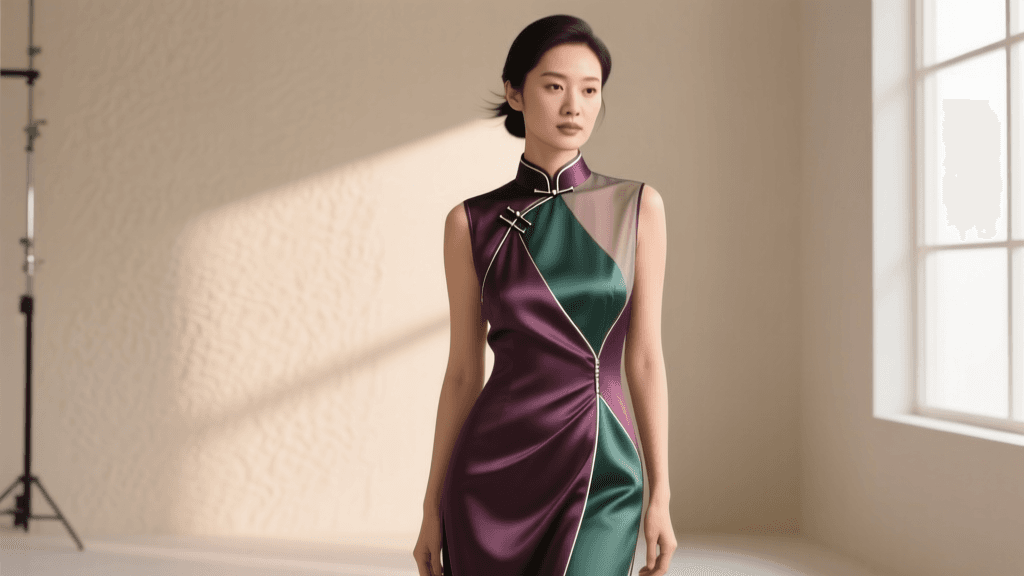
The qipao, also widely known as the cheongsam, is arguably the most recognizable and enduring garment in Chinese fashion history. Once a symbol of 1920s Shanghai glamour and a staple of mid-century elegance, the qipao has experienced a massive resurgence in contemporary fashion. Today, it is no longer reserved strictly for weddings, banquets, or diplomatic events. Driven by the Xin Zhongshi (New Chinese Style) movement and a global appreciation for heritage garments, the modern qipao has been reimagined for everyday streetwear, office environments, and casual weekend styling.
According to the Encyclopedia Britannica, the qipao evolved from the loose-fitting, floor-length robes worn by Manchu women during the Qing Dynasty. It was in the cosmopolitan hub of 1920s and 1930s Shanghai that the garment was radically tailored, adopting Western darting and a form-fitting silhouette that celebrated the natural curves of the body. The garment's profound impact on global fashion was later immortalized in The Metropolitan Museum of Art's landmark exhibition, 'China: Through the Looking Glass,' which showcased how the cheongsam has continuously influenced Western haute couture and modern design aesthetics.
For the modern consumer, navigating the world of qipaos can be daunting. How do you size a garment traditionally meant to fit like a second skin? Which fabrics work best for daily wear? This comprehensive guide will walk you through the practicalities of measuring, selecting, and styling the modern cheongsam.
How to Measure and Size Your Modern Cheongsam
The most common mistake buyers make when purchasing a qipao online is ordering their exact body measurements. Traditional bespoke qipaos are tailored with 'zero ease' or even 'negative ease' to create a skin-tight, corseted effect. However, modern styling prioritizes comfort, mobility, and layering. When buying off-the-rack or commissioning a modern piece, you must account for 'wearing ease.'
Essential Measurements and Ease Allowances
- Bust: Measure around the fullest part of your chest. For a modern, comfortable fit, add 1.5 to 2 inches (3.8 to 5 cm) to your actual measurement. This allows for breathing room and prevents the fabric from pulling across the bust, which can distort the traditional floral or geometric patterns.
- Waist: Measure at your natural waistline (the narrowest part of your torso). Add 1 inch (2.5 cm) for ease. If you are opting for an A-line modern qipao, the waist measurement is less critical, but still important for the placement of the waist darts.
- Hips: Measure around the fullest part of your hips and buttocks. Add 1 to 1.5 inches (2.5 to 3.8 cm). A skirt that is too tight across the hips will restrict walking and cause the side slits to pull open awkwardly.
- Hollow-to-Hem: Measure from the hollow at the base of your neck down to your desired hemline. Modern qipaos often hit at the midi-calf or just above the knee, making them much more practical for navigating city streets and public transit than the traditional ankle-length cuts.
- Shoulder Width: Measure from the edge of one shoulder bone to the other. This is crucial for the structured Mandarin collar and the set-in sleeves typical of the 1930s-inspired cuts.
Choosing the Right Fabric: A Practical Comparison
When exploring historical textiles, institutions like the Victoria and Albert Museum highlight the intricate weaving techniques and luxurious silks traditionally used in Chinese dress. However, authentic silk brocade requires meticulous care and is rarely suited for a Tuesday morning at the office. Modern qipao design relies on a diverse range of textiles that balance aesthetics, durability, and ease of maintenance.
| Fabric Type | Best For | Cost Range (USD) | Care Instructions | Pros & Cons |
|---|---|---|---|---|
| Silk Brocade / Jacquard | Weddings, galas, formal banquets | $150 - $500+ | Dry clean only | Pros: Stunning structural drape, rich heritage patterns. Cons: Stiff, unforgiving, requires professional care. |
| Cotton & Linen Blends | Everyday wear, summer outings, travel | $40 - $120 | Machine wash cold, hang dry | Pros: Breathable, affordable, easy to maintain. Cons: Wrinkles easily, lacks the formal sheen of silk. |
| Crepe de Chine (Silk) | Office wear, elegant dinners, date nights | $100 - $300 | Hand wash or dry clean | Pros: Fluid drape, lightweight, subtle matte sheen. Cons: Delicate, prone to water spotting. |
| Stretch Velvet | Winter events, holiday parties, evening wear | $80 - $250 | Dry clean or steam | Pros: Luxurious texture, forgiving stretch, warm. Cons: Can look heavy, attracts lint and pet hair. |
Contemporary Styling: Breaking the Traditional Rules
The modern qipao is a masterclass in high-low fashion mixing. To transition the cheongsam from a costume-like formal garment to a versatile wardrobe staple, you must break away from traditional styling conventions. Here are three actionable styling formulas for the modern wearer.
1. The Urban Commuter: Denim and Sneakers
Pair a knee-length, cotton or linen qipao with a cropped, oversized vintage denim jacket and chunky white sneakers. The rigidity of the denim contrasts beautifully with the delicate frog closures (pankou) and Mandarin collar. This look grounds the garment, making it appropriate for weekend markets, casual museum visits, or coffee runs. Keep the side slits modest (around 6-8 inches) to ensure comfort while walking briskly.
2. The Winter Layer: Turtlenecks and Tailored Trousers
The qipao does not have to be relegated to warmer months. In autumn and winter, treat a sleeveless or short-sleeved qipao as a structured vest. Layer it over a fitted, ribbed merino wool turtleneck in a complementary solid color. Instead of bare legs or sheer tights, pair the qipao with wide-leg, high-waisted tailored trousers or dark-wash straight-leg jeans. The trousers should peek out elegantly from beneath the qipao's side slits, creating a striking, avant-garde silhouette that provides both warmth and modesty.
3. The Evening Edge: Leather and Hardware
For evening events where a traditional look might feel too conservative, introduce edge through accessories. Swap the classic jade or pearl jewelry for chunky silver hardware, geometric drop earrings, and a structured leather mini-bag. Pair a velvet or dark silk qipao with pointed-toe leather ankle boots. The juxtaposition of the delicate silk knot buttons against tough leather creates a fierce, contemporary aesthetic perfect for gallery openings or upscale dinners.
Occasion-Based Guide: Selecting the Right Collar and Slit
Not all qipaos are created equal. The height of the collar and the depth of the side slit drastically alter the formality and comfort of the garment.
- For the Office / Formal Events: Opt for a standard Mandarin collar (1.5 to 2 inches high) and double side slits that hit just above the knee. This provides a polished, conservative look that respects traditional modesty while allowing for sitting at a desk.
- For Casual / Summer Wear: Look for modern adaptations like the 'water drop' neckline, keyhole cutouts, or a collarless band. These variations reduce the feeling of restriction around the neck in hot weather and project a relaxed, approachable vibe.
- For Brides / Red Carpet: A high, stiff collar (2.5 inches or more) paired with a dramatic, thigh-high slit creates the ultimate glamorous, elongating effect. This is best achieved with heavy brocades or embroidered silks that hold their architectural shape.
Where to Buy: Off-the-Rack vs. Bespoke Tailoring
Acquiring a qipao is an investment, and understanding the market will save you time and money. The price and fit will vary wildly depending on your chosen route.
Off-the-Rack and Ready-to-Wear
For everyday cotton and linen qipaos, online marketplaces and specialized Asian fashion boutiques offer excellent ready-to-wear options. Expect to pay between $40 and $120. The advantage is immediate availability and lower cost, but you are restricted to standard sizing charts. Always check the garment's specific size chart, as Asian sizing typically runs one to two sizes smaller than US or European sizing.
Bespoke Tailoring in Shanghai and Hong Kong
If you want a flawless, heirloom-quality silk qipao, bespoke tailoring is the gold standard. In cities like Shanghai (specifically around the South Bund Fabric Market) or Hong Kong, master tailors can create a custom cheongsam from scratch. Cost Expectations: A bespoke silk qipao will generally cost between $400 and $1,500, depending on the intricacy of the hand-embroidery and the quality of the silk. Timing: The bespoke process requires a minimum of 2 to 4 weeks and at least two in-person fittings. The first fitting is usually done in a 'muslin' or cheap cotton mock-up to perfect the darting and collar fit before the final silk is cut. If you are traveling to Asia, schedule your tailor visit on the second day of your trip to allow time for alterations before you fly home.
Garment Care and Preservation
Proper care is essential to maintain the structural integrity of the qipao, particularly the delicate frog closures and the bias-cut skirts. Never hang a heavy silk or brocade qipao on a wire hanger, as the weight of the garment will stretch the shoulders and distort the collar. Instead, store the garment flat in a breathable cotton garment bag, layered with acid-free tissue paper to prevent permanent creasing. For cotton and linen blends, a gentle hand wash in cold water with a pH-neutral detergent will preserve the fibers and prevent the vibrant dyes from bleeding.
Conclusion
The modern qipao is a testament to the adaptability of Asian traditional garments. By understanding how to properly measure for ease, selecting the right fabric for your lifestyle, and embracing contemporary styling rules, you can seamlessly integrate this iconic piece of cultural heritage into your daily wardrobe. Whether you are walking the streets of Shanghai or navigating a modern metropolis, the cheongsam remains a powerful, elegant, and deeply personal expression of style.