Harajuku Kimono Revival: Styling Traditional Japanese Streetwear

The Intersection of Tradition and Harajuku Street Fashion
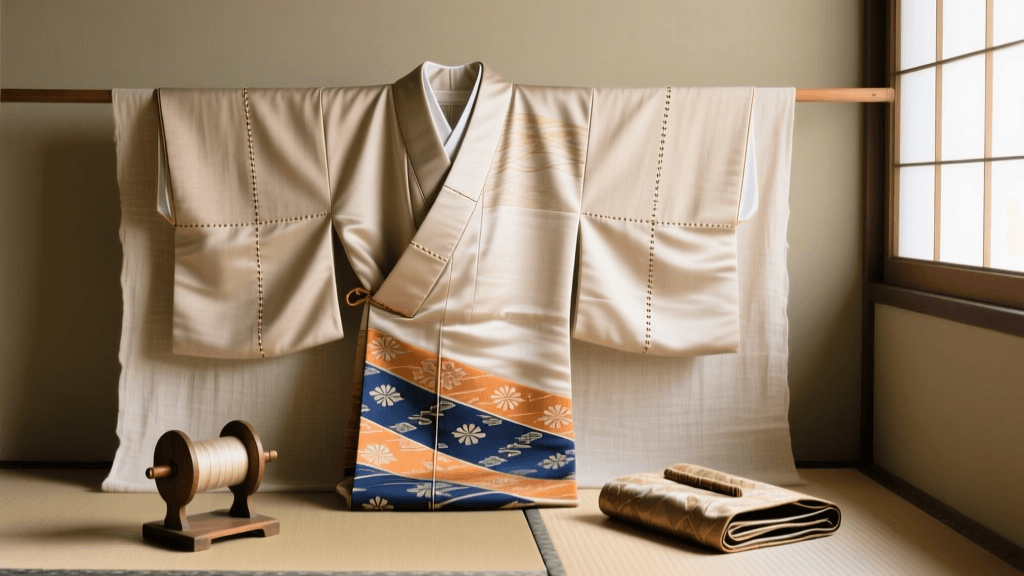
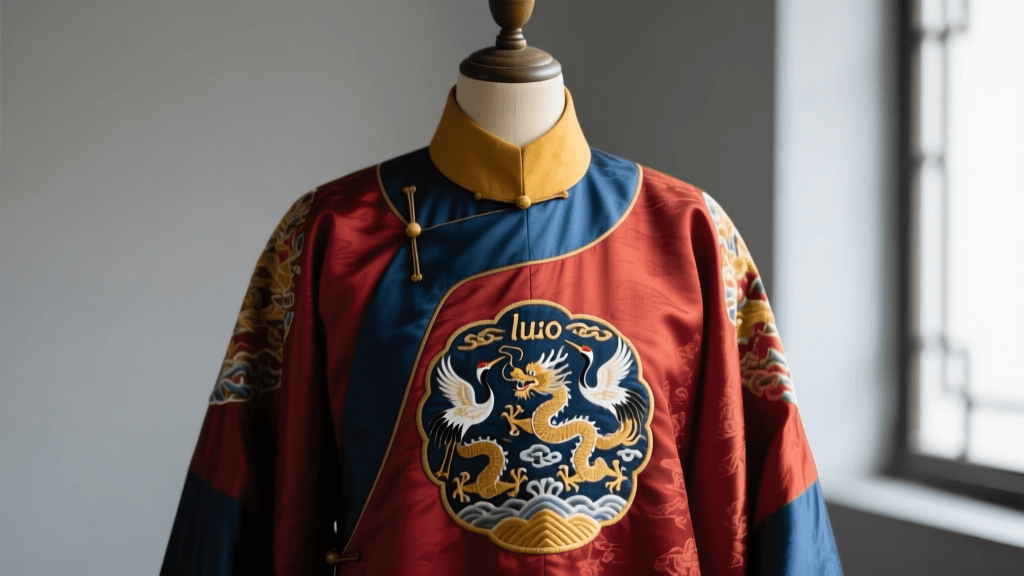
The streets of Harajuku, Daikanyama, and Koenji have long been the global epicenter of avant-garde fashion, serving as a living canvas where traditional Japanese clothing meets contemporary urban subcultures. The modern revival of the kimono and its related garments is not merely a nostalgic trend; it is a deliberate sartorial rebellion. Today's youth and streetwear enthusiasts are deconstructing centuries-old silhouettes, blending vintage silk haori with heavyweight cotton hoodies, and repurposing brocade obi belts into statement corsetry. This movement honors the meticulous craftsmanship of Japanese textiles while adapting them for the dynamic, fast-paced reality of modern streetwear.
According to the Victoria and Albert Museum's 'Kimono: Kyoto to Catwalk' exhibition, the kimono has always been a highly adaptable garment, historically reflecting shifting social and aesthetic values. In the 21st century, that adaptability is being pushed to its limits by streetwear stylists who view traditional garments not as fragile museum pieces, but as functional, modular layers for everyday urban life.
Sourcing Vintage Garments: Timing, Locations, and Costs
Building an authentic streetwear wardrobe rooted in Japanese tradition requires knowing where and when to hunt. The most cost-effective and authentic method is navigating Tokyo's sprawling weekend antique and flea markets.
- Oedo Antique Market (Tokyo International Forum): Held on the 1st and 3rd Sundays of the month from 9:00 AM to 4:00 PM. This is the premier destination for high-quality vintage silk haori and michiyuki (traditional coats). Arrive by 10:30 AM for the best selection of streetwear-friendly oversized pieces.
- Hanazono Shrine Antique Market (Shinjuku): Operating every Sunday, this market is slightly more rugged and offers excellent opportunities for upcycling projects. You can find damaged but beautifully patterned houmongi (visiting kimono) ideal for cutting into skirts or bomber jackets.
- Shimokitazawa and Koenji Vintage Thrift Stores: Neighborhoods famous for curated vintage shops. While prices are marked up compared to flea markets, the curation saves time.
Budgeting Guide: Expect to pay between ¥2,000 and ¥5,000 ($15–$35 USD) for casual wool or polyester kimono jackets. Vintage silk haori with intricate yuzen dyeing or gold leaf embroidery typically range from ¥8,000 to ¥20,000 ($55–$140 USD). Always inspect the collar and hem for hidden stains, as traditional silk requires specialized dry cleaning.
Decoding Traditional Measurements for Modern Fits
Unlike Western clothing, which is cut to follow the curves of the body, traditional Japanese garments are constructed using straight lines from standard bolt widths (approximately 36cm). Understanding traditional measurements is crucial for achieving the intentional, oversized drop-shoulder look prevalent in modern streetwear. The Metropolitan Museum of Art's Heilbrunn Timeline of Art History notes that this modular, straight-line construction allows garments to be easily taken apart, cleaned, and resewn, a feature that modern upcyclers exploit heavily.
| Traditional Term | Measurement Point | Ideal Streetwear Fit | Modern Equivalent |
|---|---|---|---|
| Yuki | Center back neck to wrist | 70cm - 80cm | Oversized Drop-Shoulder Sleeve |
| Mitake | Back length from neck to hem | 90cm - 105cm (Haori) | Mid-thigh Trench / Longline Cardigan |
| Maemigoro | Front panel width | 25cm - 35cm per panel | Boxy / Relaxed Torso Fit |
Actionable Tip: When buying a haori for streetwear layering over hoodies, look for a yuki measurement of at least 74cm. This ensures the shoulder seam drops down the arm, creating the relaxed, architectural silhouette popularized by designers like Yohji Yamamoto.
3 Actionable Streetwear Styling Formulas
Integrating traditional garments into a modern wardrobe requires balancing the delicate nature of vintage silk with the rugged textures of contemporary streetwear. Here are three proven styling formulas.
Formula 1: The Haori as an Architectural Trench
The haori is a traditional hip- or thigh-length jacket worn open. To adapt it for streetwear, treat it as a lightweight, unlined trench coat. Pair a dark, stenciled silk haori with a heavyweight 400gsm cotton hoodie in a contrasting neutral tone (like slate grey or olive). The stiffness of the hoodie provides structure, preventing the delicate silk from clinging. Complete the look with wide-leg cargo trousers and chunky sneakers. The open front of the haori allows the hoodie's drawstrings and kangaroo pocket to serve as the visual anchor.
Formula 2: The Obi Corset Belt
The obi is the sash used to secure a kimono. In streetwear, a stiff, brocade fukuro obi (double-width obi) can be repurposed as a statement corset belt. Wrap the obi tightly over an oversized, unstructured blazer or a longline denim jacket. Secure it at the back using a modern parachute buckle or heavy-duty D-rings, allowing the frayed, metallic ends of the vintage brocade to hang down like a traditional taiko musubi knot. This technique cinches voluminous outerwear, creating a striking hourglass silhouette that merges cyberpunk aesthetics with Edo-period textiles.
Formula 3: Upcycled Kimono Skirts and Wa-Lolita Elements
Damaged kimono that cannot be worn traditionally are perfect for upcycling. The lower half of a tomesode (formal black kimono with patterns only below the waist) features spectacular, continuous landscape motifs. By carefully unpicking the side seams and reattaching the fabric to a modern cotton canvas waistband with heavy-duty belt loops, you create a structured, A-line midi skirt. Pair this with a graphic streetwear tee, a leather biker jacket, and combat boots to offset the formality of the gold-leaf silk.
Footwear: Bridging Tabi and Sneaker Culture
No traditional Japanese outfit is complete without tabi (split-toe socks) and appropriate footwear. In the modern streetwear scene, the split-toe silhouette has been fully embraced, largely thanks to high-fashion interpretations. For a practical, street-ready approach, invest in a pair of contemporary jikatabi (split-toe work boots with rubber soles) from heritage brands like SOU-SOU or Rikizo. These offer the architectural, ninja-inspired silhouette that pairs perfectly with wide, cropped trousers, allowing the footwear to become the focal point of the lower half. For sneakerheads, styling vintage kimono fabrics with split-toe luxury sneakers offers a seamless bridge between Harajuku subculture and Parisian runways.
Garment Care in an Urban Environment
Wearing vintage silk in rain-soaked, polluted urban environments requires strict maintenance protocols. Never attempt to machine wash vintage silk kimono or haori; the water will cause the natural dyes to bleed and the silk fibers to warp irreparably.
- Airing Out: After wearing your haori in the city, hang it on a wide, padded hanger in a well-ventilated, shaded area for 24 hours to allow urban odors and moisture to dissipate.
- Spot Cleaning: For minor dirt on the hem, use a specialized silk-safe dry cleaning sponge or a soft brush. Avoid liquid stain removers.
- Storage: Store your garments wrapped in tatoushi (traditional acid-free washi paper). Never use plastic garment bags, as they trap humidity and encourage the growth of mold, which will rapidly destroy vintage silk threads.
For deep cleaning, seek out modern services that specialize in maruarai (a traditional Japanese method of washing entire garments using specialized solvents and stretching techniques), which is increasingly available via international mail-order services catering to vintage collectors. By treating these garments with respect and understanding their structural origins, you ensure that the legacy of Japanese textile art continues to thrive on the modern streets. For further visual research on historical silhouettes, the Kyoto Costume Institute Digital Archives provides an invaluable, searchable database of garment construction and layering techniques that can inspire your next streetwear ensemble.