Decoding Kimono Motifs: Seasonal Colors & Symbolic Patterns
The Language of Silk: Understanding Kimono Symbolism
Japanese traditional garments are far more than mere clothing; they are intricate, wearable canvases that communicate the wearer's age, marital status, social standing, and, most importantly, their deep connection to the natural world. The kimono operates on a complex visual language where every color, motif, and fabric choice carries profound historical and cultural weight. According to the Victoria and Albert Museum, the evolution of the kimono from the Heian period to the modern era reflects a society that has always placed immense aesthetic value on the transient beauty of nature and the changing of the seasons.
To wear a kimono authentically is to engage in a dialogue with the environment. Unlike Western fashion, which often dictates that seasonal clothing be worn during the exact months of that season, Japanese garment traditions operate on a concept of anticipation. This guide will decode the intricate symbolism of kimono patterns and colors, providing you with actionable advice on how to curate, measure, and wear these garments with cultural accuracy and respect.
The Golden Rule of Kisetsukan (Seasonal Anticipation)
The concept of kisetsukan, or seasonal feeling, is the cornerstone of kimono styling. The most critical rule of motif selection is anticipation: you must wear a motif just before it peaks in nature, never after. Wearing cherry blossoms while they are falling from the trees is considered a fashion faux pas, as it highlights the end of the season rather than its joyful arrival. By wearing a motif slightly ahead of its natural bloom, the wearer invites the season in and shows reverence for nature's impending beauty.
Spring (Haru): Renewal and Elegance
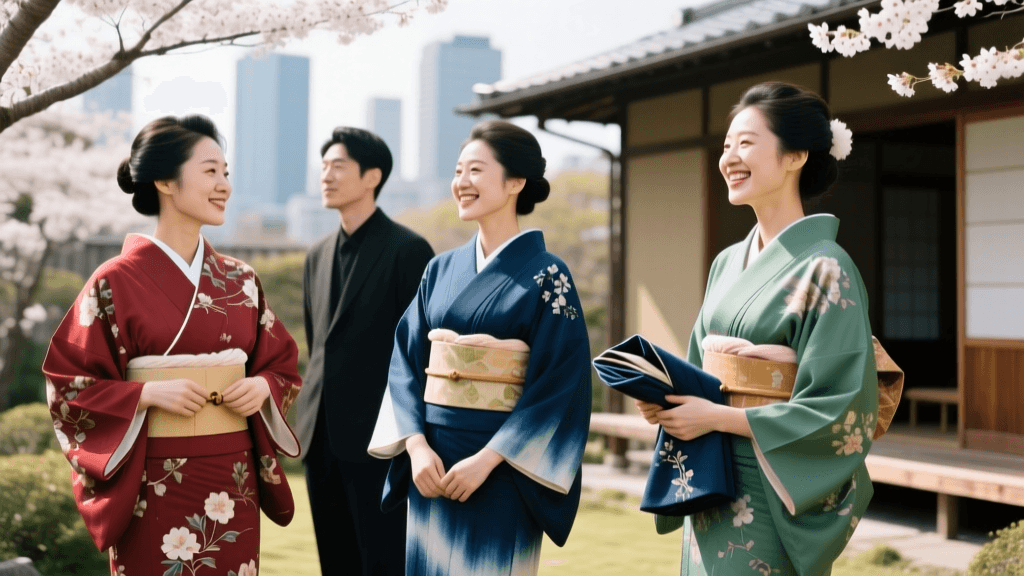
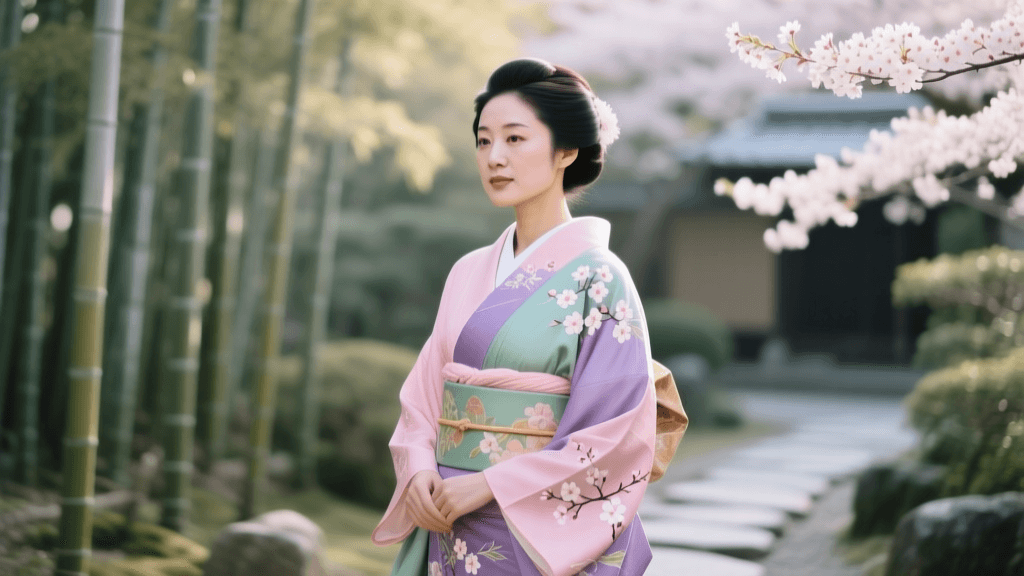
Spring motifs are characterized by vibrant, hopeful imagery. The sakura (cherry blossom) is the most iconic, symbolizing the ephemeral nature of life. However, it should be worn from late February through early April, stopping before the actual peak bloom in your region. Other prominent spring motifs include ume (plum blossoms), which represent resilience as they bloom in the late winter cold, and botan (peonies), which signify wealth, honor, and prosperity. Soft pinks, pale yellows, and fresh greens dominate the spring palette.
Summer (Natsu): Coolness and Fluidity
Summer kimono styling is designed to evoke a psychological sense of coolness amidst Japan's sweltering humidity. Motifs like asagao (morning glory), fuji (wisteria), and seigaiha (ocean waves) are highly favored. The seigaiha pattern, consisting of concentric overlapping circles resembling water ripples, is particularly popular for its association with peaceful seas and good fortune. Colors shift toward cool, watery tones: deep indigos, crisp whites, and translucent blues. As noted by the Metropolitan Museum of Art, the development of lightweight, sheer fabrics like ro and sha during the Edo period was a direct response to the need for visual and physical relief during the summer months.
Autumn (Aki): Melancholy and Harvest
Autumn brings a rich, melancholic beauty to the kimono wardrobe. The momiji (maple leaf) is the definitive autumn motif, symbolizing the passage of time and the beauty of aging. It is paired with kiku (chrysanthemums), the imperial flower representing longevity and rejuvenation, and susuki (pampas grass), which evokes the quiet, windy evenings of the harvest moon. The color palette deepens into rusts, burgundies, burnt oranges, and rich ochres.
Winter (Fuyu): Endurance and Purity
Winter motifs focus on flora that endure the harsh cold. The shochikubai trio—matsu (pine), take (bamboo), and ume (plum)—is a classic auspicious combination often worn for New Year celebrations, symbolizing steadfastness, resilience, and longevity. Tsubaki (camellia) is also popular, though its association with falling flowers makes it more suitable for early winter rather than late winter. Winter colors are stark and grounding: deep purples, charcoal blacks, forest greens, and pure snow whites.
The Psychology and Rules of Kimono Colors
Color in Japanese tradition is deeply tied to social hierarchy, spirituality, and the five elements (Wu Xing). Historically, sumptuary laws dictated which classes could wear specific dyes, elevating certain colors to symbols of immense prestige. Today, while strict class laws no longer exist, the cultural psychology of color remains deeply ingrained in formal wear.
| Color (Japanese) | Symbolism & Meaning | Best Occasions & Pairings |
|---|---|---|
| Kurenai (Deep Red) | Passion, youth, protection against evil spirits. | Coming-of-Age Day (Seijin no Hi), weddings (for unmarried women). Pairs with gold obi. |
| Ai (Indigo) | Purity, calmness, working-class heritage, summer coolness. | Everyday summer wear (yukata), casual outings. Pairs with white or mustard obi. |
| Murasaki (Purple) | Nobility, spirituality, eternity, highest social rank. | Formal tea ceremonies, mature women's formal events. Pairs with silver or subtle floral obi. |
| Kuro (Black) | Ultimate formality, mourning, sophistication, authority. | Kurotomesode (married women's formal wear), funerals (with specific plain obi). Pairs with gold/silver crests. |
| Shiro (White) | Purity, truth, beginnings, the divine. | Shiromuku (traditional bridal wear), undergarments (juban). Pairs with any color as a base. |
Actionable Guide: Building a Versatile Kimono Wardrobe
Transitioning from an admirer of kimono aesthetics to an active collector and wearer requires practical knowledge of measurements, market costs, and seasonal timing. The Japan National Tourism Organization frequently highlights the accessibility of traditional dress for visitors and residents alike, but navigating the secondary market requires precision.
1. Mastering Measurements: Mitake and Yuki
Unlike Western clothing, kimono are not tailored to exact body contours; they are wrapped and folded. However, two measurements are non-negotiable for a proper fit:
- Mitake (Length): The ideal kimono length should closely match your actual height, plus or minus 5 centimeters. When wearing the garment, the excess fabric is folded at the waist to create the ohashori (waist fold), which should sit neatly just above the obi. If you are 160 cm tall, look for a vintage kimono with a mitake of 155 cm to 160 cm.
- Yuki (Sleeve Span): This is measured from the center back of the neck, across the shoulder, and down to the wrist. For most adult women, a yuki measurement between 64 cm and 68 cm will provide an elegant drape where the sleeve ends exactly at the wrist bone when the arms are relaxed at the sides.
2. Navigating Costs: Vintage vs. New
Building a wardrobe does not require a massive budget if you know where to look. The vintage market (recycle shops in Japan or specialized online exporters) offers incredible value.
- Everyday Wear (Komon/Yukata): Vintage silk komon (repeating pattern kimono) typically range from ¥3,000 to ¥8,000 ($20 to $55 USD). Cotton yukata can be found for ¥2,000 to ¥5,000 ($15 to $35 USD).
- Semi-Formal (Houmongi/Tsukesage): Vintage visiting kimono with elegant, continuous motifs across the seams range from ¥15,000 to ¥40,000 ($100 to $270 USD), depending on the condition of the silk and the complexity of the yuzen (resist dye) work.
- High Formal (Furisode/Kurotomesode): Brand new, tailor-made silk furisode (long-sleeve kimono for unmarried women) purchased from modern boutiques will cost between ¥250,000 and ¥500,000+ ($1,700 to $3,400+ USD). Vintage alternatives can be sourced for ¥30,000 to ¥80,000 ($200 to $550 USD), though finding specific modern heights in vintage formal wear can be challenging.
3. Timing Your Purchases and Wear
The Japanese kimono calendar is strictly divided by fabric weight and lining. To build a functional wardrobe, you must time your purchases and wear accordingly:
- Awase (Lined Kimono): Worn from October through May. These feature a silk lining for warmth. Purchase these in late summer or early autumn to prepare for the cooler months.
- Hitoe (Unlined Kimono): Worn exclusively in June and September. These are made of a single layer of silk. They bridge the gap between the heavy winter silks and the sheer summer gauzes.
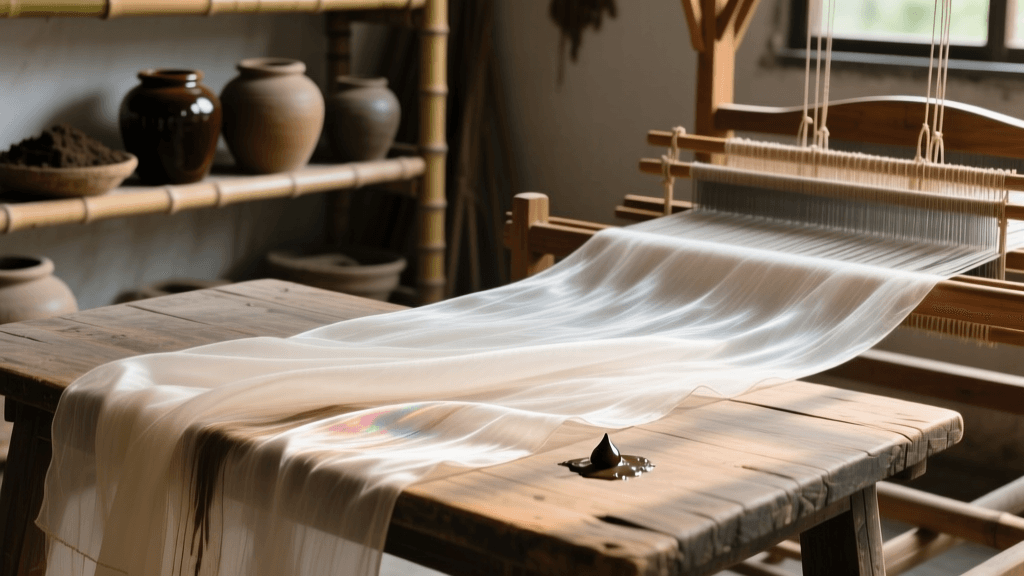
- Natsugoromo / Ro / Sha (Summer Gauze): Worn in July and August. These are sheer, breathable, and highly translucent. They require specialized, opaque undergarments. Purchase these in early spring to ensure you have them tailored and ready for the humid peak of summer.
Conclusion
Understanding the pattern, color, and motif symbolism of the kimono transforms the act of dressing into a profound cultural practice. By respecting the rules of kisetsukan, choosing colors that reflect the psychological weight of the occasion, and ensuring your garments are measured and timed correctly, you honor the centuries of artisan craftsmanship woven into every thread. Whether you are sourcing a vintage indigo yukata for a summer festival or investing in a formal silk houmongi adorned with autumn maples, the kimono remains a timeless atlas of Asian tradition, waiting to be read.