Kimono Influencers: Building an Online Styling Community
The Rise of the Global Kimono Creator
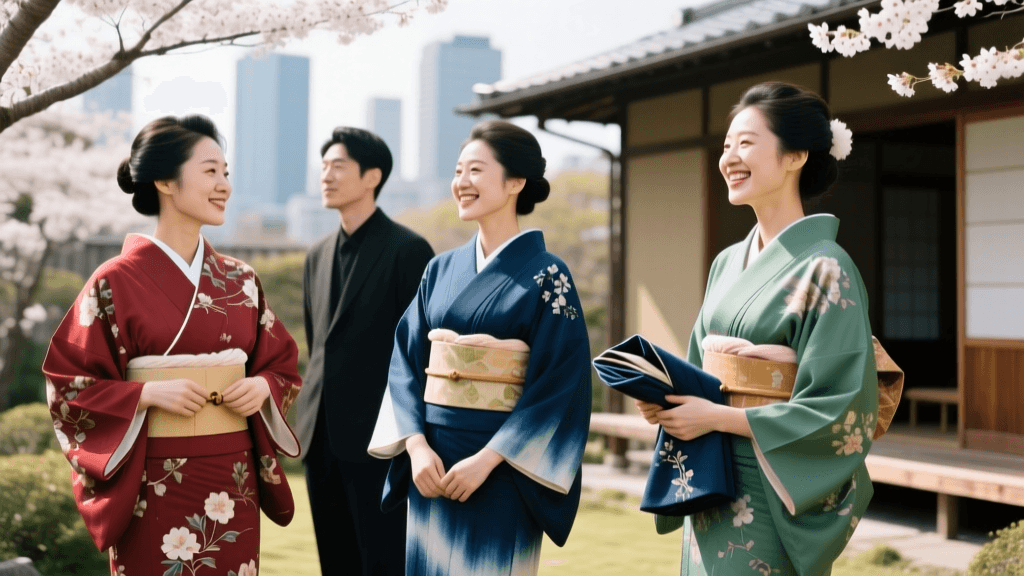
The digital age has fundamentally transformed the way traditional Japanese garments are appreciated, studied, and worn. Once confined to localized, generational knowledge transfer, the art of kitsuke (kimono dressing) has blossomed into a vibrant, global movement driven by kimono influencers, vloggers, and dedicated online communities. From the intricate tie-dye techniques of shibori to the metallic brocades of nishijin-ori obi, creators on YouTube, Instagram, and Reddit are democratizing access to centuries-old textile arts.
This digital renaissance is not just about fashion; it is about cultural preservation and global exchange. As highlighted by the Victoria and Albert Museum in their landmark exhibition, Kimono: Kyoto to Catwalk, the garment has never been a static relic. It is a dynamic, evolving canvas that has continuously absorbed global influences while projecting its own aesthetic worldwide. Today’s digital creators are the newest chapter in this ongoing evolution, serving as bridge-builders between traditional Japanese artisans and a worldwide audience hungry for sustainable, meaningful fashion.
Choosing Your Platform: Where Does the Kimono Community Thrive?
For aspiring kimono vloggers and influencers, understanding the nuances of each social platform is critical. The online kimono community is highly segmented, with different platforms serving distinct purposes ranging from visual inspiration to rigorous historical authentication.
| Platform | Content Format | Audience Intent | Best For Creators |
|---|---|---|---|
| High-res photos, Carousels, Reels | Visual inspiration, outfit coordination, aesthetic appreciation | Lookbooks, Obi knot close-ups, flat-lays of vintage haori | |
| YouTube | Long-form video, Vlogs | Education, step-by-step tutorials, deep-dive history | Full Kitsuke routines, fabric care guides, proxy bidding tutorials |
| TikTok | Short-form vertical video | Entertainment, quick transitions, trend participation | Before/after styling, thrift store hauls, quick obi hacks |
| Text posts, Image threads, AMAs | Deep-dive research, authentication, market valuation | Vintage identification, community Q&A, sourcing advice |
YouTube: The Educational Hub for Kitsuke
YouTube remains the undisputed king of educational kimono content. Because dressing in a kimono requires precise folding, tying, and padding, long-form video is essential. Successful creators in this space use multiple camera angles to demonstrate how to tie a flawless otaiko musubi (drum knot) or how to properly position a datejime (tying belt) to prevent the obi from slipping. Vloggers who combine historical context with practical dressing tutorials tend to build the most loyal, engaged subscriber bases.
Reddit and Discord: The Deep-Dive Collectors
While visual platforms drive aesthetic trends, forums like Reddit’s r/kimono and private Discord servers are where the serious collectors gather. These communities are invaluable for influencers looking to authenticate vintage pieces, decode family crests (kamon), and understand the subtle differences between rinzu (figured satin) and chirimen (crepe silk). Engaging authentically in these spaces is crucial for any influencer who wants to be respected as a knowledgeable authority rather than just a fashion blogger.
Sourcing Vintage: What Influencers Actually Buy
A major pillar of kimono influencer content is the 'vintage haul.' Because new, artisan-crafted kimono can cost upwards of $3,000 to $10,000, the online community heavily relies on the secondhand market. Influencers frequently document their experiences using Japanese proxy bidding services like Buyee, ZenMarket, and FromJapan to access domestic auction sites.
The Creator's Starter Wardrobe Budget
When advising followers on how to build a starter wardrobe, successful influencers recommend focusing on versatile, casual silk types. Here is a realistic cost breakdown based on current online vintage market averages:
- Vintage Komon (Casual Silk Kimono): $30 – $80. Ideal for everyday wear and highly forgiving of minor flaws.
- Silk Haori (Jacket): $40 – $150. Extremely popular in the global community as they can be worn over modern Western clothing.
- Nagoya Obi (Pre-folded Belt): $20 – $60. The most practical obi for beginners learning the otaiko knot.
- Kitsuke Accessories (Koshihimo, Obi-ita, Datejime): $15 – $30 for a complete basic set.
Mastering Measurements: The Key to Online Sourcing
One of the most common pitfalls for beginners in the online kimono community is buying garments that do not fit. Unlike Western clothing, kimono are not sized by standard S/M/L metrics. Influencers must educate their audiences on how to read Japanese measurement listings. When creating content around sourcing, always emphasize these three critical dimensions:
- Mitake (Back Length): Measured from the base of the neck down to the hem. For a proper fit, the mitake should ideally be equal to or slightly longer than the wearer's height from the nape of the neck to the ankle.
- Yuki (Sleeve Length): Measured from the center back of the neck, across the shoulder, and down to the wrist bone. A standard vintage yuki is around 62-64cm, which can be too short for taller global wearers, making this a crucial metric to highlight in reviews.
- Sode (Sleeve Depth): The vertical drop of the sleeve. This measurement dictates the formality and age-appropriateness of the garment. A deep sode (over 90cm) indicates a furisode (unmarried women's formal wear), while a shorter sode indicates a komon or tomesode.
Gear and Lighting: Capturing the Nuance of Silk
Kimono textiles are incredibly complex. Capturing the subtle gradients of yuzen dyeing, the raised textures of surihaku (metallic foil application), and the intricate tie-dye knots of shibori requires specialized camera gear. Influencers who produce high-quality, magazine-worthy content invest heavily in their lighting and lens setups.
Lighting for Silk Textures
Silk is highly reflective, and cheap lighting will wash out the rich colors of vintage garments or create harsh, unflattering glare. Creators must use continuous LED lights with a CRI (Color Rendering Index) of 95 or higher. A high CRI ensures that the deep indigos, madder reds, and subtle gold threads are rendered accurately on camera. Using a large octabox softbox positioned at a 45-degree angle diffuses the light, highlighting the weave of the silk without creating hotspots.
Lenses for Macro Details
To truly showcase the craftsmanship of a nishijin-ori obi, a standard kit lens will not suffice. Top kimono vloggers frequently use a 90mm or 105mm Macro Lens. This allows them to capture the individual threads of the brocade and the tiny, hand-tied knots of shibori dyeing. Additionally, a Circular Polarizer (CPL) filter is a secret weapon in the kimono creator’s arsenal; it cuts through the natural glare of the silk, allowing the camera to capture the true depth of the dye.
Community Etiquette and Cultural Appreciation
Navigating the intersection of global fashion and traditional Japanese culture requires sensitivity, research, and respect. The online kimono community is generally very welcoming to non-Japanese enthusiasts, provided they approach the garment with a mindset of cultural appreciation rather than exoticization.
As detailed by the Metropolitan Museum of Art’s Heilbrunn Timeline of Art History, the kimono is deeply embedded in Japan's social and cultural fabric, reflecting shifts in class, gender, and aesthetics over centuries. Influencers have a responsibility to educate their audiences on this context. This means explaining why certain motifs are reserved for specific seasons (like cherry blossoms in spring or maple leaves in autumn), why the left panel must always be wrapped over the right (as the reverse is reserved for dressing the deceased), and how to properly store silk to prevent irreversible damage.
Furthermore, ethical influencers actively support the living artisans and traditional craft houses in Japan. By linking to legitimate modern artisans, promoting sustainable wearing practices, and discouraging the purchase of mass-produced, culturally insensitive 'costume' knockoffs, creators help ensure that the kimono industry survives and thrives in the 21st century.
Conclusion: The Future of Digital Kitsuke
The role of the kimono influencer extends far beyond mere outfit photography. Today’s top vloggers and community leaders are archivists, educators, and cultural ambassadors. By mastering the technical aspects of proxy bidding, understanding the precise geometry of kitsuke, and investing in the right visual equipment, creators can build thriving online communities that honor the past while weaving the kimono into the future of global fashion. Whether you are documenting your first vintage haori haul or teaching the intricacies of the fukuro obi, your digital footprint contributes to the living, breathing history of Asia's most iconic garment.