Kimono Dress Codes: Formal Occasion Rules & Etiquette
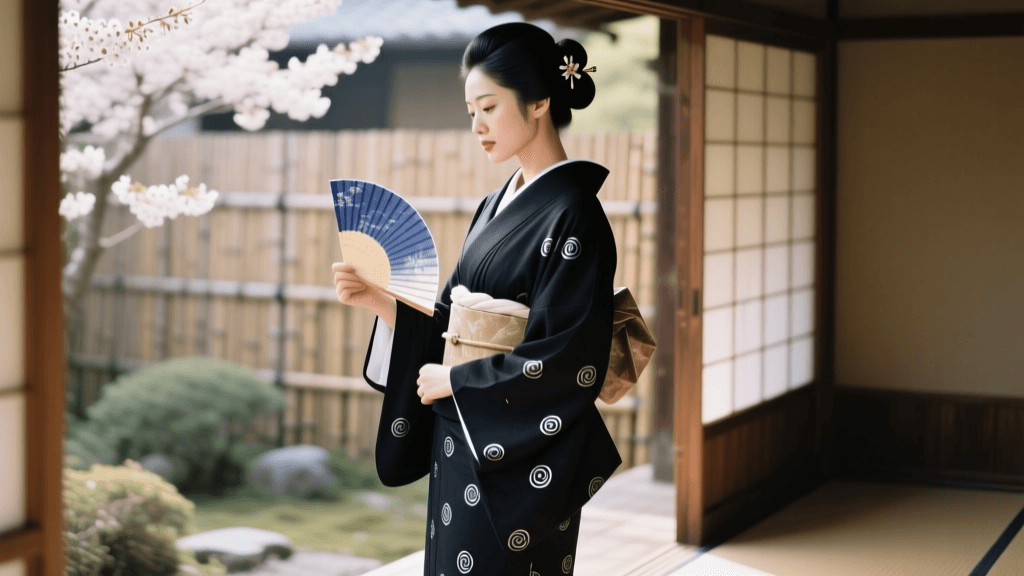
The Golden Rule of Japanese Fashion: TPO
In the intricate world of traditional Japanese clothing, the concept of TPO—Time, Place, and Occasion—is the ultimate guiding principle. Unlike Western fashion, where personal expression often overrides strict sartorial rules, kimono etiquette demands a harmonious alignment between the wearer, the garment, and the environment. Whether you are attending a traditional tea ceremony, a Shinto wedding, or a formal graduation, understanding kimono dress codes is essential to showing respect for the host and the occasion.
According to the Metropolitan Museum of Art, the kimono evolved from a simple undergarment into a highly structured outer robe that communicates the wearer’s age, marital status, and the formality of the event. Navigating these rules can seem daunting to the uninitiated, but mastering the hierarchy of formality unlocks a profound appreciation for Japanese textile arts and cultural heritage.
The Hierarchy of Kimono Formality
The formality of a kimono is determined by several factors: the presence and number of family crests (kamon), the color of the fabric, the placement of the dye or weave patterns, and the sleeve length. Below is a detailed breakdown of the primary formal kimono types.
Kurotomesode (Black Crested Kimono)
The kurotomesode is the pinnacle of formal wear for married women. It is characterized by a solid black background with patterns restricted exclusively to the lower half of the garment, below the obi (sash). A true kurotomesode features five kamon (family crests) placed on the back of the neck, the outer sleeves, and the front lapels. It is strictly reserved for the most auspicious occasions, such as attending the wedding of a close relative as the mother or aunt of the bride or groom.
Irotomesode (Colored Crested Kimono)
Similar in layout to the kurotomesode, the irotomesode features a colored background rather than black. The patterns are also confined to the lower half. It can feature one, three, or five crests. With five crests, it matches the formality of the kurotomesode but is often worn by unmarried female relatives at weddings, or by married women attending formal receptions where black might be deemed too somber or inappropriate.
Furisode (Swinging Sleeves)
The furisode is the most formal kimono for young, unmarried women. Its defining feature is its dramatically long, swinging sleeves, which typically measure between 100 cm and 114 cm in length. According to Britannica, the elongated sleeves historically served to signal a woman’s eligibility for marriage. Today, furisode are vibrant, heavily patterned garments worn at Coming of Age Day (Seijin no Hi), university graduations, and when attending weddings as a guest. They are paired with highly decorative obi tied in elaborate, voluminous knots.
Homongi (Visiting Wear)
The homongi is a versatile, semi-formal to formal kimono worn by both married and unmarried women. Its distinguishing feature is the eba pattern—a continuous, picturesque design that flows seamlessly across the seams of the garment when it is laid flat. Homongi typically feature one to three crests and are appropriate for tea ceremonies, formal parties, and wedding receptions. They are slightly less formal than the tomesode but far more elegant than everyday wear.
Tsukesage and Komon (Semi-Formal and Casual)
The tsukesage features patterns that do not cross the seams, making it slightly less formal than the homongi. It is ideal for dinner parties and cultural events. The komon, featuring a repeating, all-over stencil pattern, is considered casual wear, suitable for strolling through the city, casual dining, or informal lessons. As noted by travel and culture experts at Japan Guide, komon are the most common type of kimono rented by tourists exploring historic districts like Kyoto’s Higashiyama.
Kimono Formality and Occasion Chart
To quickly reference the appropriate garment for your next event, consult the structured chart below:
| Kimono Type | Target Wearer | Crest Count | Best Occasion | Obi Type |
|---|---|---|---|---|
| Kurotomesode | Married Women | 5 | Close family weddings | Fukuro Obi |
| Irotomesode | Married/Unmarried | 1, 3, or 5 | Weddings, formal banquets | Fukuro Obi |
| Furisode | Unmarried Women | 0 or 1 | Coming of Age, graduations | Fukuro / Maru Obi |
| Homongi | Married/Unmarried | 1 or 3 | Tea ceremonies, receptions | Fukuro Obi |
| Tsukesage | Married/Unmarried | 1 | Dinners, cultural classes | Fukuro / Nagoya Obi |
| Komon | Married/Unmarried | 0 | Casual outings, sightseeing | Nagoya Obi |
The Anatomy of Formal Accessories
A kimono is never worn alone; it is part of a meticulously curated ensemble. The accessories you choose can elevate or downgrade the formality of your outfit.
Obi (Sash) Selection
The obi is the wide sash that secures the kimono. For formal occasions like weddings or tea ceremonies, a Fukuro obi is mandatory. These are heavily brocaded, double-width sashes that can cost upwards of ¥300,000 ($2,000 USD). For semi-formal events, a Nagoya obi—which is pre-folded and stitched for easier tying—is acceptable. Casual cotton Yukata are paired with simple, unlined Hanhaba obi.
Footwear: Zori, Geta, and Tabi
Formal kimono demand zori, flat sandals made of brocade, vinyl, or woven straw, worn with white tabi (split-toe socks). The height of the zori heel can indicate formality, with higher heels often reserved for younger women wearing furisode. Geta, the elevated wooden clogs, are strictly casual and should only be worn with yukata or casual wool kimono. Never wear colored tabi with a formal kimono; white is the absolute standard for respect and cleanliness.
Seasonal Etiquette: Koromogae
Japanese culture is deeply attuned to the changing seasons, and kimono etiquette reflects this through koromogae (the seasonal changing of clothes). Wearing a heavy, lined kimono in the peak of summer is considered a major faux pas, just as wearing sheer summer silk in winter is inappropriate.
- Awase (Lined Kimono): Worn from October through May. These feature an inner lining of silk or synthetic fabric for warmth.
- Hitoe (Unlined Kimono): Worn during the transitional months of June and September.
- Ro and Shaya (Summer Sheer): Worn in July and August. These are woven with intentional gaps in the threads to allow airflow, offering a cool, translucent aesthetic.
Crucial Dressing Etiquette and Faux Pas
Even if you select the correct kimono for the occasion, improper dressing can undermine your efforts. Pay close attention to these non-negotiable rules of kimono etiquette.
The Golden Rule of the Lapel: Always wrap the left side of the kimono over the right side. Wrapping right-over-left is strictly reserved for dressing the deceased for burial. This rule applies to both men and women, and violating it is considered highly inauspicious and offensive.
Collar Alignment and Hemline
The collar (eri) should sit snugly against the back of the neck, with a slight gap (about the width of two fingers) at the nape to expose the neck, which is traditionally considered a highly elegant feature. The front lapels should form a clean, straight V-shape. The hemline should be adjusted so that it falls perfectly at the ankle bone, hiding the feet when standing straight. A hemline that is too short, exposing the calves, is considered sloppy and informal.
The Cost of Formality: Buying vs. Renting
Authentic formal kimono are significant investments. A custom-tailored kurotomesode with hand-painted yuzen dyeing and gold leaf can easily exceed ¥1,000,000 ($6,500+ USD). For tourists or those attending a single event, the kimono rental industry in cities like Kyoto and Tokyo offers a practical solution. A full-day rental of a high-quality furisode or homongi, complete with professional dressing services and accessories, typically costs between ¥10,000 and ¥18,000 ($65 to $120 USD). This provides an accessible way to participate in traditional etiquette without the burden of long-term garment care and storage.
Conclusion
Mastering kimono dress codes is a journey into the heart of Japanese aesthetics and social harmony. By respecting the TPO principle, understanding the hierarchy of garments, and adhering to seasonal and structural etiquette, you do more than just wear a beautiful piece of clothing. You participate in a living tradition, showing deep respect for the artisans who crafted the silk and the culture that preserves its meaning. Whether you are tying a formal Fukuro obi or simply admiring the flowing sleeves of a passing furisode, the language of the kimono speaks volumes to those who know how to listen.