Building an Authentic Ming Dynasty Hanfu Wardrobe: A Practical Guide
The Ming Dynasty Hanfu Revival: A Practical Guide for Modern Wardrobes
The Hanfu revival movement has swept across China and the global diaspora, transforming what was once a niche historical interest into a booming cultural and fashion phenomenon. Among the various historical periods embraced by enthusiasts, the Ming Dynasty (1368–1644) stands out as a cornerstone of the modern Hanfu wardrobe. Known for its structured silhouettes, exquisite textile weaving techniques, and dignified elegance, Ming-style Hanfu offers a versatile and deeply historical aesthetic that translates beautifully into contemporary daily wear. According to cultural reports from the BBC, the Hanfu movement is driven by a younger generation seeking to reconnect with their heritage, with Ming Dynasty garments being particularly favored for their modesty, layered sophistication, and adaptability to modern climates.
For newcomers and seasoned revivalists alike, building an authentic Ming Dynasty wardrobe requires more than just purchasing a costume online. It demands an understanding of historical garment structures, accurate sizing, appropriate fabric selections, and strategic sourcing. This comprehensive guide provides actionable advice on curating a Ming Dynasty Hanfu wardrobe, complete with measurement guidelines, budgeting tips, and sourcing timelines.
Core Garments of the Ming Wardrobe
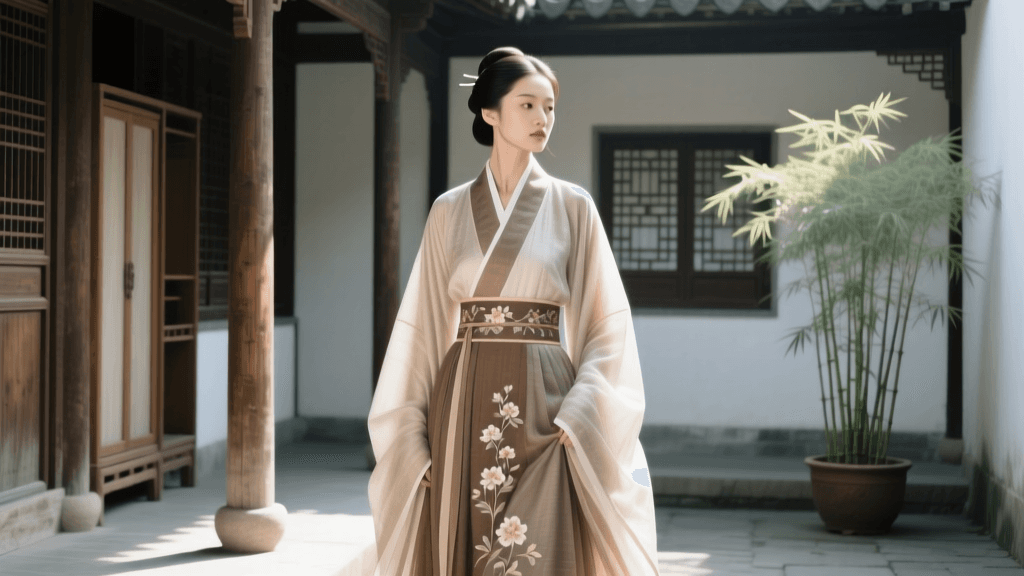
The Ming Dynasty silhouette is characterized by its modest, layered, and structured look. Unlike the flowing, wide-sleeved robes of the Tang Dynasty or the slender, columnar lines of the Song Dynasty, Ming clothing emphasizes a grounded, dignified posture. To build a foundational wardrobe, you must understand the three core garments: the Ao (jacket), the Mamianqun (horse-face skirt), and the Pifeng (cape).
1. The Ao (Jacket)
The Ao is the upper-body garment, typically featuring a cross-collar (jiaoling) or a standing collar (liling). The standing collar with metal or jade clasps (known as shuling) is an iconic Ming innovation that provides a regal, structured neckline. Ming jackets are generally cut with a generous fit, dropping the shoulder seam and utilizing wide sleeves (often with narrow sleeve cuffs, known as pipa or loquat sleeves) to allow for layering and ease of movement. When shopping, look for jackets that fall below the waist, typically around the hips, to ensure proper historical proportion.
2. The Mamianqun (Horse-Face Skirt)
Arguably the most enduring legacy of Ming fashion, the Mamianqun is a wrap skirt constructed from two overlapping panels of fabric. It features flat, unpleated front and back panels (the "horse faces") and deep, structured knife pleats on the sides. This skirt is incredibly versatile; historically, it was worn by women of all social classes, with the richness of the fabric and woven motifs (such as zhuanghua or brocade) denoting status. Today, the Mamianqun is frequently paired with modern blouses or knitwear, making it the ultimate entry point for Hanfu revivalists looking to blend traditional wear with modern fashion.
3. The Pifeng (Cape or Poncho)
Worn over the jacket, the Pifeng is a sleeveless or short-sleeved outer layer that drapes elegantly over the shoulders. In the Ming Dynasty, these were often lined with fur for winter or made of sheer silk gauze for summer. A well-chosen Pifeng adds verticality to the outfit and provides an excellent canvas for intricate embroidery along the hems and collar edges.
Fabric and Color Guidelines for Authenticity
Authenticity in the Hanfu movement is heavily tied to material choices. The Ming Dynasty saw significant advancements in textile production, particularly in silk weaving and cotton cultivation. When selecting your garments, avoid cheap, shiny synthetic satins that drape poorly and trap heat. Instead, opt for natural fibers that reflect historical realities.
- Spring/Summer: Look for sheer silk gauze (luo), lightweight linen, and high-quality cotton. These fabrics provide breathability while maintaining the structured pleats of the Mamianqun.
- Autumn/Winter: Heavy silk brocades, wool blends, and velvet are historically appropriate for outer layers. The Metropolitan Museum of Art's extensive Ming Dynasty textile archives highlight the era's mastery of complex brocade weaving, featuring gold and silver threads intertwined with vibrant silks.
Color palettes in the Ming era were rich and symbolic. While bright reds and imperial yellows were often reserved for the nobility or specific ceremonial occasions, the educated elite and commoners favored deep jewel tones (like sapphire blue, emerald green, and plum), as well as muted earth tones and soft pastels for everyday wear.
Sizing and Measurements: Getting the Right Fit
One of the most common pitfalls for international buyers is misunderstanding Hanfu sizing. Unlike Western clothing, which is tailored to hug the body's contours, traditional Hanfu relies on flat pattern cutting and generous ease. The fit is dictated by the drape of the fabric and the tying of the sashes, rather than darts and seams. Therefore, accurate body measurements are crucial, but they are used differently than in modern fashion.
Below is a practical measurement chart to help you determine your size when ordering from Chinese retailers or custom tailors.
| Measurement Area | How to Measure | Hanfu Application & Sizing Advice |
|---|---|---|
| Bust / Chest | Measure around the fullest part of your chest, keeping the tape level. | Add 10-15 cm (4-6 inches) for ease. The Ao jacket should not pull at the shoulders or chest when crossed. |
| Waist (Natural) | Measure the narrowest part of your torso, usually just above the belly button. | Crucial for the Mamianqun. The skirt sits at the natural waist or slightly above. Add 2-3 cm for comfort over undergarments. |
| Skirt Length | Measure from your natural waist down to your ankle bone or floor (depending on preference). | Ming skirts are traditionally floor-grazing or ankle-length (typically 95 cm to 105 cm). Ensure it clears the ground to avoid tripping. |
| Sleeve Length (Liling Ao) | Measure from the base of the neck (center back), across the shoulder, and down to the wrist. | Ming sleeves often extend past the wrist. A standard full-sleeve measurement is usually 120 cm to 140 cm total (cuff to cuff). |
For a deeper understanding of how these garments evolved and fit into the broader context of Chinese sartorial history, resources like China Highlights' comprehensive guides on traditional Chinese clothing offer excellent visual references for proper drape and length.
Budgeting and Sourcing: Where and How to Buy
The Hanfu market has exploded, offering options for every budget. However, navigating the purchasing process—especially for buyers outside of China—requires patience and strategic planning. Most authentic, high-quality Hanfu is produced by independent Taobao studios rather than mass-market retail brands.
Cost Breakdown by Tier
- Entry-Level (150 - 300 RMB / $25 - $45 USD): Ideal for beginners. These are usually made from polyester-cotton blends or basic jacquard fabrics. The Mamianqun pleats are often heat-pressed and may require careful maintenance. Brands in this tier offer ready-to-ship stock.
- Mid-Tier (300 - 800 RMB / $45 - $120 USD): The sweet spot for most revivalists. You will find genuine silk blends, intricate woven motifs, and superior construction. Jackets in this range often feature traditional knot buttons or metal clasps.
- High-End / Custom (1500+ RMB / $220+ USD): Reserved for museum-quality reproductions, genuine silk brocades, and hand-embroidered details. These are often made-to-measure by specialized heritage studios.
The Taobao Pre-Order System
One of the most critical aspects of buying Hanfu is understanding the "pre-order" (yushou) culture. Because Hanfu requires complex weaving and specialized embroidery, studios rarely hold large inventories. Instead, they release digital renderings or samples, take pre-orders for a 7-to-14-day window, and then manufacture the garments based on demand.
Actionable Timing Advice: If you are ordering a pre-sale item, expect a manufacturing wait time of 30 to 45 days. Shipping via international forwarding agents (like Superbuy or Wegobuy) can add another 15 to 30 days depending on your region and chosen shipping method. Plan your wardrobe purchases at least two months before major cultural festivals, Lunar New Year, or Hanfu-specific events like the Xitang Hanfu Culture Week.
Essential Accessories to Complete the Look
A Ming Dynasty outfit is incomplete without the proper accessories. Budget an additional $30 to $50 USD for the following essentials:
- Cloud Shoulder (Yunjian): A detachable, highly embroidered collar piece that rests on the shoulders, instantly elevating a simple jacket into formal wear.
- Hair Jewelry: Ming hairstyles often utilized elaborate gold or silver hairpins, often adorned with pearls or kingfisher feather inlay (tian-tsui). Modern replicas use enamel and resin to achieve the same effect ethically and affordably.
- Footwear: While traditional cloth boots with upturned toes are historically accurate, many modern revivalists opt for minimalist leather loafers or embroidered cloth shoes with low wooden heels to complement the long hemlines of the Mamianqun.
Styling Ming Hanfu for Modern Climates and Occasions
One of the most frequent challenges revivalists face is adapting historical garments to modern environments, particularly in regions with extreme summer heat or harsh, windy winters. The genius of the Ming layering system lies in its modularity. In the sweltering heat of July, a revivalist can swap the heavy silk Ao for a lightweight, unlined linen cross-collar shirt, pairing it with a cotton-blend Mamianqun that allows for airflow. Conversely, during winter, the structural integrity of the Mamianqun allows for modern thermal undergarments to be worn completely hidden beneath the skirt's voluminous pleats.
For formal occasions such as weddings, graduation ceremonies, or cultural galas, the Ming Dynasty's formal wear—specifically the Mang Pao (python robe) or heavily embroidered Shuling Ao (standing collar jacket) paired with a woven gold Mamianqun—provides a level of gravitas that rivals any Western evening gown. When styling these heavier, more ornate pieces, it is crucial to maintain a minimalist approach to modern makeup and hair, allowing the intricate textile work and traditional silhouettes to command attention. By treating Hanfu not as a rigid costume but as a living, adaptable wardrobe, enthusiasts ensure the survival and relevance of these traditions in the 21st century.
Conclusion
Building an authentic Ming Dynasty Hanfu wardrobe is a rewarding journey that bridges the gap between historical preservation and modern self-expression. By focusing on foundational garments like the Ao and Mamianqun, prioritizing natural textiles, and understanding the nuances of traditional flat-pattern sizing, you can curate a collection that is both historically respectful and beautifully wearable. As the Hanfu revival continues to grow globally, wearing these garments is no longer just about dressing up; it is a profound way to carry the artistry, philosophy, and elegance of Chinese heritage into the modern world.