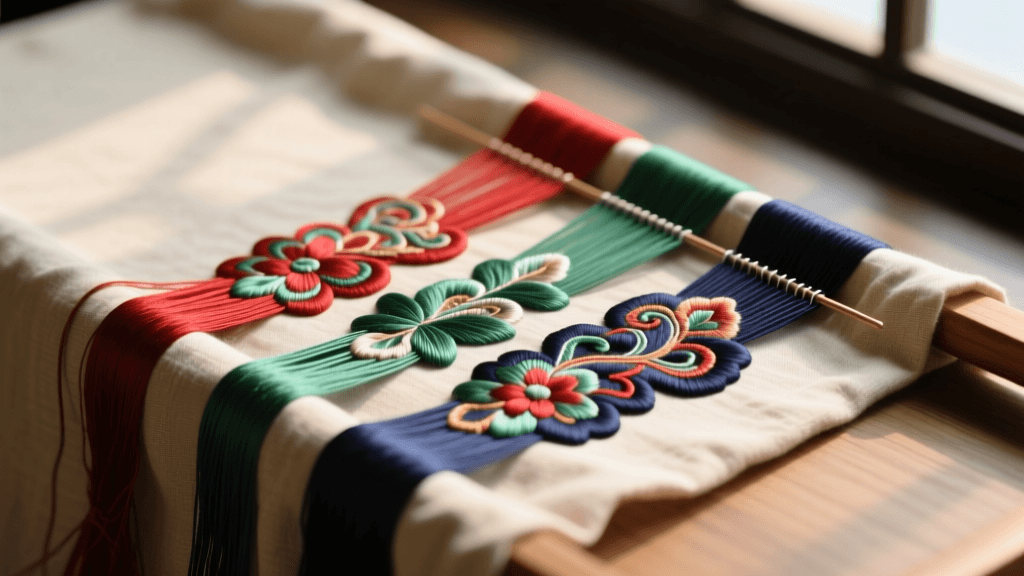
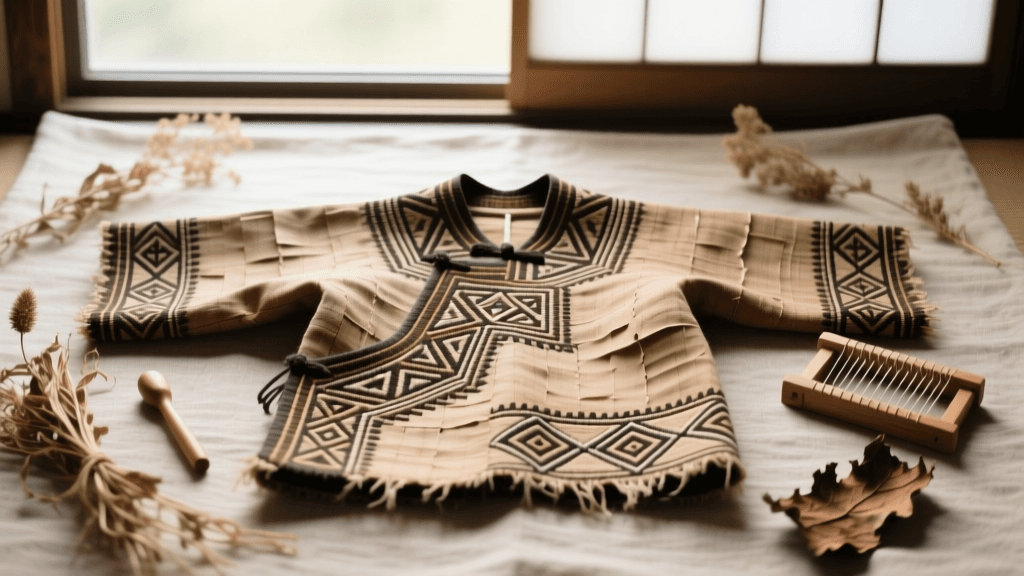
Okinawan Ryusou and Bingata: A Guide to Regional Japanese Dress
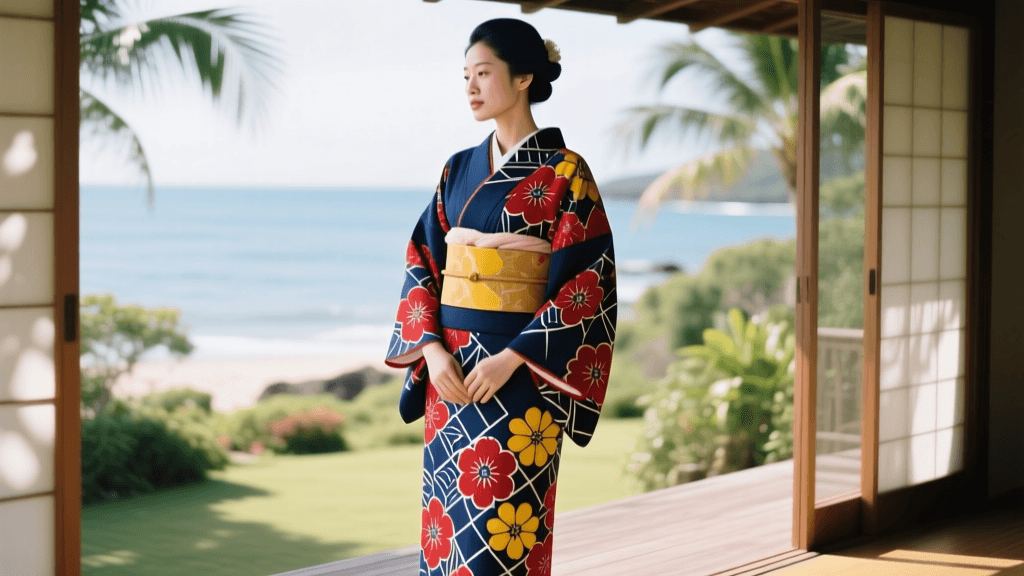
The Ryukyu Kingdom's Sartorial Legacy
When discussing traditional Japanese clothing, the global imagination almost exclusively defaults to the mainland kimono. However, Japan's southernmost prefecture of Okinawa boasts a profoundly distinct sartorial heritage born from the Ryukyu Kingdom (1429–1879). Operating as an independent maritime trading hub, the Ryukyu Kingdom maintained robust diplomatic and commercial ties with Ming Dynasty China, mainland Japan, Korea, and Southeast Asia. This cosmopolitan exchange birthed a unique textile culture that prioritized subtropical comfort, vibrant aesthetics, and indigenous craftsmanship. According to the Metropolitan Museum of Art's Heilbrunn Timeline of Art History, the Ryukyu Kingdom's elite utilized highly specialized textiles to denote rank, heavily influenced by Chinese dragon robes and Southeast Asian trade cloths, yet adapted to the humid, typhoon-prone island climate. Today, the traditional Okinawan garment, known as the Ryusou, and its most famous textile, Bingata, represent a vital, living branch of Asian fashion history that stands in stark contrast to the structured formality of mainland Japanese dress.
Anatomy of the Ryusou: Designed for the Subtropics
The Ryusou is the traditional formal and semi-formal garment of Okinawa. While it shares a superficial T-shaped silhouette with the mainland kimono, its construction, drape, and method of wear are fundamentally different. The mainland kimono is heavily structured, often lined, and designed to trap heat or accommodate distinct seasonal shifts. The Ryusou, conversely, is an exercise in airflow and fluidity.
Typically unlined (hitoe), the Ryusou is cut with remarkably wide, open sleeves that lack the deep, pouch-like tamoto found on mainland garments. This open sleeve design allows ocean breezes to circulate against the skin. The collar is worn much wider and looser, deliberately exposing the nape of the neck and the upper chest to facilitate cooling. Furthermore, while mainland kimono require the rigid, heavily padded obi tied in complex knots at the back, the Ryusou is secured with a soft, woven sash or a braided decorative cord (himokazari) tied simply at the front or side, allowing the fabric to drape naturally over the body without restricting movement or breathing in high humidity.
Key Differences: Ryusou vs. Mainland Kimono
To understand the regional divergence in Japanese traditional dress, consider the following structural and functional comparison:
| Feature | Okinawan Ryusou | Mainland Japanese Kimono |
|---|---|---|
| Climate Adaptation | Unlined, breathable, wide sleeves for subtropical heat. | Often lined (awase), layered for distinct seasons and cold winters. |
| Sleeve Construction | Open, wide sleeves without deep pouches (tamoto). | Variable (furisode, tomesode) with deep pouches for carrying items. |
| Fastening Method | Soft woven sash tied at the front or side; braided cords. | Stiff, wide obi tied in complex, rigid knots at the back. |
| Collar Style | Wide, open collar worn loosely to expose the nape and chest. | Tight, structured collar pulled snug at the back of the neck. |
| Footwear | Barefoot in traditional indoor settings, or simple straw sandals. | Tabi (split-toe) socks strictly required with zori or geta sandals. |
Bingata: The Crown Jewel of Ryukyuan Textiles
No discussion of Okinawan dress is complete without Bingata, a breathtaking resist-dyeing technique characterized by explosive, high-contrast colors and motifs drawn from the island's flora and fauna. As documented by the Okinawa Story tourism and heritage board, Bingata was historically strictly regulated; specific colors and motifs, such as the five-clawed dragon and brilliant yellow backgrounds, were reserved exclusively for the Ryukyuan royalty and aristocracy. Commoners were restricted to indigo and simpler patterns.
The motifs of Bingata are a visual diary of the island. You will frequently see stylized hibiscus flowers, palm fronds, ocean waves, koi fish, and clouds. Unlike the subdued, seasonal subtlety prized in mainland Kyoto's Kyo-Yuzen dyeing, Bingata embraces a bold, almost tropical maximalism. The yellow pigment, historically derived from the bark of the indigenous fukugi tree, remains one of the most iconic and highly sought-after background colors in authentic Okinawan textiles.
The 10-Step Alchemy of Bingata
Creating an authentic, hand-crafted Bingata garment is a grueling, multi-week process that requires master artisans. The Japan Traditional Crafts Aoyama Square recognizes Bingata as a premier national craft, noting its meticulous methodology:
- Shiroji (Fabric Preparation): The silk, cotton, or ramie is washed and stretched.
- Katagami (Stencil Carving): Intricate patterns are carved into mulberry paper stencils, hardened with persimmon juice.
- Nori-oki (Paste Application): A resist paste made from rice bran and lime is pushed through the stencil onto the fabric.
- Mame-hiki (Background Resist): A netting is used to apply resist to the background areas.
- Irosashi (Coloring): Artisans hand-paint pigments into the stencil outlines using stiff brushes, working from light to dark.
- Kuma-tori (Shading): The signature Bingata shading technique, where darker pigments are blended into the edges of the motifs to create a 3D, embossed effect.
- Yunoshi (Steaming): The fabric is steamed to set the pigments into the fibers.
- Mizumoto (Washing): The resist paste is washed away in running water, revealing the crisp, vibrant patterns.
- Hinoshi (Drying and Pressing): The fabric is dried in the sun and pressed.
- Shitate (Tailoring): The finished bolt is cut and sewn into the final Ryusou silhouette.
Practical Guide: Sourcing, Tailoring, and Costs
For collectors, cultural enthusiasts, and those looking to incorporate regional Asian garments into their wardrobes, purchasing a Ryusou or Bingata piece requires specific knowledge of measurements, timing, and regional sourcing.
Measurements and Tailoring Specifics
Mainland kimono are woven on standard tanmono bolts, typically measuring 34 to 36 centimeters in width. Okinawan weavers, particularly those working with indigenous Bashofu (banana fiber cloth) or Jofu (ramie), often weave panels slightly wider, up to 38 or 40 centimeters. This extra width is crucial for the Ryusou's relaxed drape. When commissioning a custom Ryusou, tailors in Okinawa will measure your yuki (arm span from the center back of the neck to the wrist) but will intentionally add 3 to 5 centimeters of ease compared to mainland tailoring to ensure the sleeves remain wide and breezy. The length (mitake) is also cut slightly shorter than a mainland kimono, allowing the hem to rest just above the ankle bone to prevent dragging in humid, sandy, or coastal environments.
Cost Breakdown and Sourcing Locations
Authentic Okinawan textiles are an investment in slow fashion and indigenous heritage. If you are traveling to Okinawa, the Yogi district in Naha is the historical epicenter for Bingata workshops, while Kokusai Dori and the Makishi Public Market offer more accessible, commercial-grade textiles.
- Authentic Hand-Painted Bingata Silk Kimono: 350,000 to 1,200,000 JPY ($2,300 to $8,000 USD). These are master-crafted, signed pieces. Lead time: 4 to 8 months.
- Stencil-Dyed Bingata Cotton (Yukata-style): 25,000 to 60,000 JPY ($165 to $400 USD). Excellent for summer festivals and casual wear. Lead time: In-stock or 1 month.
- Bashofu (Banana Fiber) Summer Ryusou: 150,000 to 500,000 JPY ($1,000 to $3,300 USD). Highly rare, requiring specialist weavers in the Kijoka village of Ogimi. Lead time: 1 to 2 years due to fiber scarcity.
- Tourist Rental (Naha/Tomari Port): 5,000 to 8,000 JPY ($35 to $55 USD) for a 3-hour experience, often including basic hair styling and accessories.
Styling Ryusou in the Modern Era
Today, the Ryusou is not a relic confined to museums; it is a vibrant part of Okinawan life. It is the standard formal wear for the island's coming-of-age ceremonies (Seijin Shiki), where young women parade in brilliant yellow and red Bingata. During the summer Eisa festivals, dancers wear lighter, cotton Bingata garments that allow for high-energy, acrobatic drumming.
For modern fashion enthusiasts outside of Okinawa, the Ryusou offers a highly wearable alternative to the restrictive mainland kimono. Because it lacks a rigid obi, a vintage cotton Bingata jacket can be easily belted with a modern leather sash or worn open over a linen dress as a statement haori-style coat. When styling, avoid heavy mainland accessories like thick obijime cords; instead, lean into natural materials like woven rattan bags, wooden bangles, and simple leather sandals to honor the garment's subtropical, island origins.
Preserving the Thread
The survival of the Ryusou and Bingata is a testament to the resilience of the Okinawan people, particularly following the devastating loss of cultural artifacts during the Battle of Okinawa in 1945. Master dyers painstakingly recreated lost stencils from memory and pre-war photographs. Today, supporting authentic Ryusou artisans by purchasing directly from Okinawan workshops ensures that this vibrant, breathable, and historically rich branch of Asian traditional dress continues to thrive in the modern wardrobe.