Best Kimono Photoshoot Locations in Kyoto & Photography Tips
The Magic of Kimono Photography in Kyoto
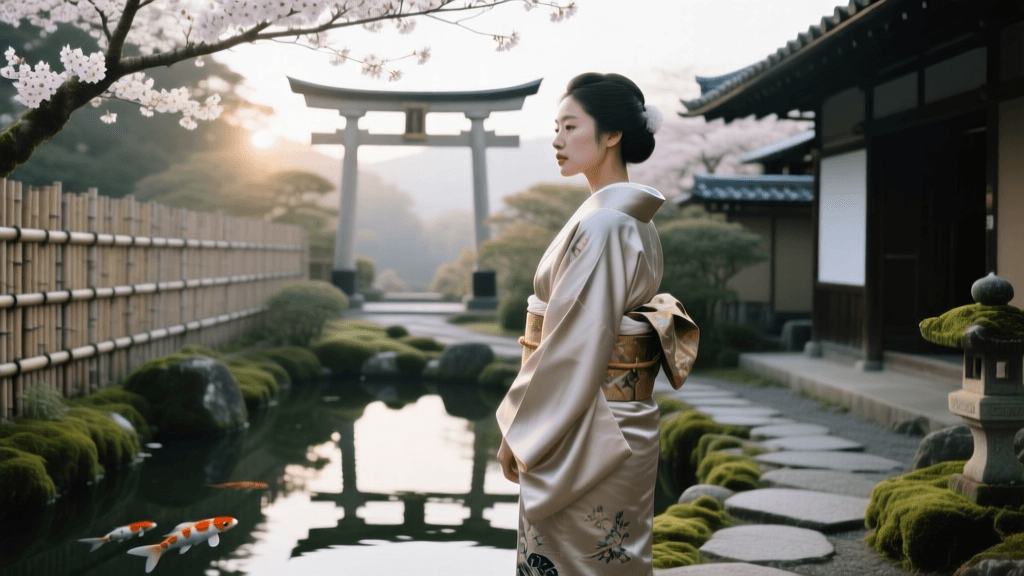
Kyoto is universally recognized as the cultural heart of Japan, a city where centuries-old traditions seamlessly blend with the rhythm of modern life. For photographers, textile enthusiasts, and travelers alike, capturing the elegance of traditional Japanese garments against the backdrop of Kyoto's historic architecture is a dream come true. The intricate dyeing arts of shibori, yuzen, and kasuri come alive when photographed in the environments for which they were originally designed. However, executing a flawless kimono photoshoot requires more than just a beautiful garment; it demands an understanding of lighting, location logistics, cultural etiquette, and the specific nuances of posing in traditional Japanese attire.
Whether you are a professional portrait photographer, a travel content creator, or a tourist renting your first furisode, this comprehensive guide will walk you through the premier kimono photoshoot locations in Kyoto and provide actionable photography tips to ensure your images are both visually breathtaking and culturally respectful. According to the Japan National Tourism Organization, Kyoto remains one of the most sought-after destinations for cultural immersion, making early planning and strategic location scouting essential for avoiding crowds and capturing the perfect shot.
Top Kimono Photoshoot Locations in Kyoto
Choosing the right location is paramount. The interplay between the garment's patterns and the environment's textures can elevate a portrait from a simple snapshot to a piece of fine art. Below is a curated list of Kyoto's most photogenic locations, tailored specifically for traditional garment photography.
| Location | Ideal Time to Visit | Entry Fee | Crowd Level | Recommended Garment Style |
|---|---|---|---|---|
| Higashiyama District | Early Morning (7:00 AM) | Free (Streets) | High | Furisode or Komon |
| Arashiyama Bamboo Grove | Sunrise (6:30 AM) | Free | Very High | Yukata or Komon |
| Fushimi Inari Taisha | Late Afternoon (4:00 PM) | Free | High | Vibrant Furisode |
| Shoren-in Temple | Mid-Day or Late Afternoon | 500 JPY | Low | Elegant Houmongi |
1. Higashiyama District and Yasaka Shrine
The preserved streets of Higashiyama, particularly Ninenzaka and Sannenzaka, offer the quintessential Kyoto aesthetic. The wooden machiya townhouses, stone-paved paths, and warm paper lanterns provide a rich, textured background that complements the flowing sleeves of a furisode. Yasaka Shrine, located at the eastern end of Shijo Avenue, offers striking vermilion gates and massive hanging lanterns that create a dramatic contrast with the cool tones of indigo-dyed kasuri or shibori textiles. To avoid the overwhelming influx of tourists, arrive by 7:30 AM. The soft morning light bouncing off the wooden facades creates a natural, flattering reflector for portrait work.
2. Arashiyama Bamboo Grove
While famously crowded, the Arashiyama Bamboo Grove offers an unparalleled natural backdrop. The towering green stalks create natural leading lines and a serene, almost ethereal atmosphere. Because the grove is heavily shaded and the light can be quite dappled and harsh during midday, it is best photographed on an overcast day or precisely at sunrise. The Kyoto City Tourism Association highly recommends early morning visits to Arashiyama not just for crowd avoidance, but to experience the tranquil ambiance that aligns with the Zen philosophy often reflected in traditional Japanese aesthetics. A simple, elegant komon or a breathable summer yukata pairs beautifully with the organic, vertical lines of the bamboo.
3. Fushimi Inari Taisha
Famous for its thousands of vermilion torii gates winding up the sacred Mount Inari, this shrine offers a vibrant, high-contrast environment. The vivid orange of the gates pairs exceptionally well with garments featuring deep blues, purples, or stark whites. As noted by Japan Guide's comprehensive breakdown of Fushimi Inari, the lower levels of the shrine are perpetually congested. For a professional photoshoot, bypass the main entrance and hike up to the Yotsutsuji intersection or the upper trails where the gates are tighter, the lighting is more dramatic, and the crowds thin out significantly, allowing for uninterrupted wide-angle environmental portraits.
4. Shoren-in Temple
For those seeking a more refined, aristocratic aesthetic, Shoren-in is a hidden gem. Unlike the bustling public shrines, this monzeki temple (traditionally headed by members of the imperial family) features exquisite landscape gardens, ancient camphor trees, and elegant tatami rooms. The subdued, natural lighting inside the temple halls is perfect for capturing the subtle metallic threads and delicate yuzen dyeing techniques of a formal houmongi or tomesode. The entry fee naturally limits the crowd size, providing a peaceful environment for detailed, intimate portrait sessions.
Essential Photography Tips for Traditional Garments
Photographing a kimono requires a different approach than standard Western fashion photography. The garment's structure, the placement of the obi (sash), and the cultural significance of the motifs must all be respected and highlighted.
Lighting and Time of Day
Traditional silk garments, especially those with metallic embroidery or intricate yuzen painting, can be highly reflective. Harsh, direct midday sunlight will blow out the highlights and obscure the textile's intricate details. The optimal lighting condition is the 'golden hour'—the hour just after sunrise or just before sunset—which provides a warm, directional glow that accentuates the texture of the silk. Alternatively, a heavily overcast day acts as a giant natural softbox, providing even, diffused light that renders the complex colors of shibori and kasuri patterns with absolute accuracy and zero harsh shadows.
Camera Settings and Lens Selection
- 85mm Prime Lens (f/1.8 or f/1.4): The undisputed king of kimono portraiture. The 85mm focal length provides beautiful subject isolation and flattering facial compression. Shooting wide open allows you to blur out distracting modern elements (like vending machines or power lines) while keeping the intricate collar and obi details tack sharp.
- 35mm Prime Lens (f/1.4): Ideal for environmental portraits where the architecture of Kyoto's temples is just as important as the garment. This lens allows you to capture the full sweep of the kimono's hemline and the surrounding landscape.
- Polarizing Filter: Essential when shooting in bamboo groves or gardens with water features. It cuts through the glare on leaves and water, deepening the greens and making the colors of the kimono pop.
Posing and Highlighting the Garment
Posing in a kimono is inherently restrictive due to the tight wrapping of the fabric and the structured obi. This restriction, however, naturally enforces a graceful, upright posture. Instruct your subject to keep their back straight and shoulders relaxed. When shooting from behind or a three-quarter angle, ensure the 'eri-nuki' (the elegant pulling back of the collar to expose the nape of the neck) is visible, as this is considered one of the most alluring and traditional aspects of kimono aesthetics. Avoid poses that cross the legs tightly or disrupt the cylindrical silhouette of the skirt. Instead, use the hands to gently hold the front of the obi or adjust the collar, drawing the viewer's eye to the textile's craftsmanship.
Cultural Etiquette and Dressing Rules
When engaging in kimono photography, cultural respect must supersede aesthetic desires. A beautifully composed photograph loses all its value if the garment is worn incorrectly or if the location is disrespected.
The Golden Rule: Left Over Right
The most critical rule in wearing a kimono is the collar placement. The left side of the garment must always overlap the right side (hidari-mae). Wrapping the right side over the left is strictly reserved for dressing the deceased for burial. As a photographer, you must actively monitor this during the shoot; if a gust of wind or a movement shifts the collar, pause and correct it immediately.
Respecting Sacred Spaces and Textiles
When shooting at shrines and temples, always adhere to posted photography restrictions. Many inner sanctums and specific garden areas prohibit tripods or commercial photography without a prior permit. Furthermore, treat the vintage or rented garments with the utmost care. Avoid dragging the hem across dirty stone paths or wet moss. If the shoot involves traditional footwear like zori or geta, remember that these must be removed before stepping onto wooden verandas (engawa) or tatami mats. Wearing tabi (split-toe socks) is mandatory when stepping indoors.
Conclusion
A successful kimono photoshoot in Kyoto is a harmonious blend of technical photography skills, strategic location scouting, and a deep reverence for Japanese textile traditions. By choosing the right environment to complement the specific dyeing technique of the garment, utilizing flattering lenses and lighting, and strictly adhering to cultural etiquette, you can create imagery that not only captures the visual beauty of the kimono but also honors the rich, enduring heritage of Asian traditions. Whether you are wandering the quiet paths of Shoren-in or navigating the vermilion tunnels of Fushimi Inari, the key lies in patience, preparation, and a profound respect for the art of the garment.