Anime Cosplay Kimono: A Guide To Wa-Fashion Styling
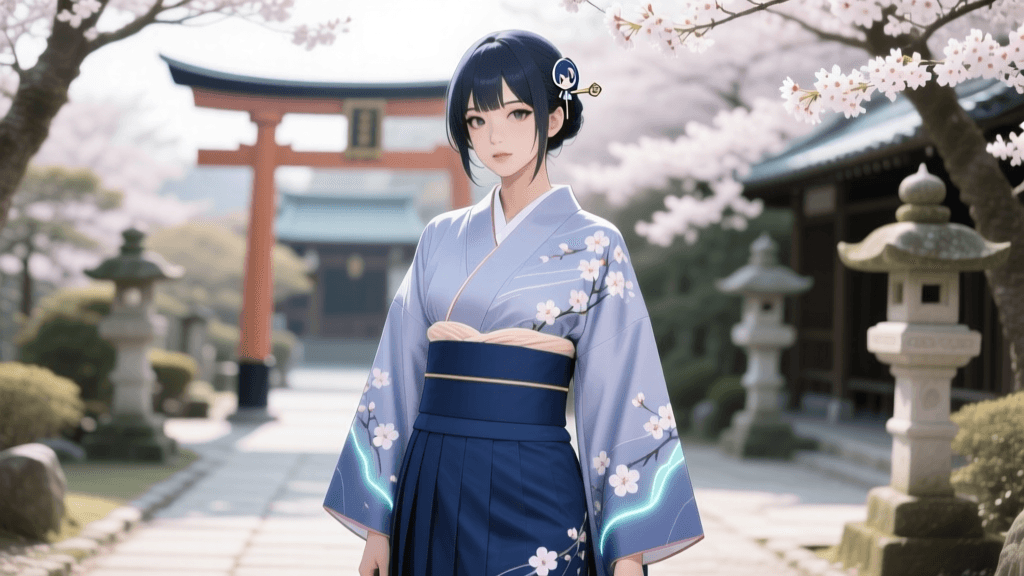
The Intersection of Anime and Traditional Japanese Garments
The global explosion of anime and manga has profoundly influenced how international audiences engage with traditional Japanese clothing. From the iconic black-and-green checkered haori in Demon Slayer: Kimetsu no Yaiba to the romanticized 1920s Taisho Otome Fairy Tale aesthetics, traditional garments like the kimono, yukata, and hakama have become staples in the cosplay community. This crossover has birthed a unique subculture known as "Wa-Fashion" (where "Wa" denotes Japanese style), blending historical authenticity with modern, stylized anime tropes.
However, translating two-dimensional anime designs into three-dimensional, wearable cosplay requires a solid understanding of traditional Japanese garment construction, sizing, and sourcing. According to the Victoria and Albert Museum's Kimono: Kyoto to Catwalk exhibition, the kimono is not merely a piece of clothing but a complex cultural artifact with strict rules of wear. When adapting these garments for anime cosplay, enthusiasts must balance historical respect with the practical demands of convention environments.
Traditional vs. Cosplay Kimono: Understanding Your Options
Before purchasing your next cosplay piece, it is crucial to understand the difference between authentic vintage garments, modern cosplay-grade reproductions, and Wa-Lolita fashion. Each serves a different purpose depending on your budget, the character you are portraying, and the environment in which you will be wearing it.
| Garment Type | Material | Avg Cost (USD) | Best Use Case | Pros & Cons |
|---|---|---|---|---|
| Authentic Vintage | Silk / Wool / Hemp | $80 - $300+ | Studio Photoshoots, Wa-Lolita | Pros: Unmatched drape, historical accuracy. Cons: Fragile, difficult to clean, heavy. |
| Cosplay-Grade | Polyester Twill | $40 - $120 | Convention Floors, Action Poses | Pros: Machine washable, vibrant anime prints. Cons: Lacks traditional texture, can trap heat. |
| Wa-Lolita | Cotton / Poly Blend | $150 - $400 | Fashion Meets, Daily Wear | Pros: Pre-tied obi, built-in petticoats. Cons: Not historically accurate, limited mobility. |
Sizing and Measurements: The "Free Size" Myth
One of the most common hurdles for Western cosplayers is navigating Japanese sizing. Traditional kimono are famously "free size" in terms of width; they are wrapped around the body and secured with ties. However, length is highly specific.
Standard vintage kimono are tailored for the historical average height of Japanese women, typically around 150cm to 160cm (4'11" to 5'3"). The excess fabric is folded at the waist to create a tuck called the ohashori. If you are taller than 165cm (5'5"), a standard kimono will not have enough fabric to create this fold, resulting in a hem that sits awkwardly above the ankles.
Actionable Advice for Tall Cosplayers:
- Search for "Choba" (Tall Size): When shopping on proxy sites, look for the term choba or tall size, which indicates a back length (mitake) of 170cm or more.
- Forgo the Ohashori: In strict traditional etiquette, skipping the waist fold is a faux pas. However, in the context of anime cosplay and modern Wa-Fashion, it is entirely acceptable to wear the kimono at full length without a fold if you are tall.
- Check the "Yuki" (Sleeve Span): Measure from the center of your back neck, over your shoulder, to your wrist. Standard yuki is around 62-64cm. If you have broad shoulders or long arms, look for a yuki measurement of 68cm+ to avoid the sleeves pulling tight across your back.
Sourcing Anime-Inspired Traditional Garments
Finding the perfect piece requires knowing where to look. While specialized cosplay shops sell pre-packaged "kimono costumes," these are often cut like Western robes and lack the straight-line construction of authentic garments. For a truly authentic anime look, source your garments from Japanese retailers and secondhand markets.
- Chuya and Kiku no Tsuyu: These online Japanese retailers specialize in affordable, modern, and cosplay-friendly kimono and hakama. They frequently stock character-inspired colorways and geometric Taisho-era patterns. Expect to pay between $40 and $90 for a polyester yukata or hakama set.
- Mercari Japan (via Buyee or Sendico): For authentic vintage haori (jackets) featuring anime-adjacent patterns like cranes, waves, or demon motifs, secondhand markets are goldmines. You can find high-quality silk haori for as little as $20 to $50.
- Timing and Shipping: If you are ordering directly from Japan via proxy services for a major event like Anime Expo or Comiket, place your orders at least 8 to 10 weeks in advance. Surface shipping (SAL) is cheaper but can take up to two months, while EMS/DHL takes 1-2 weeks but is significantly more expensive.
Styling Iconic Anime Archetypes
When assembling your cosplay, understanding the historical roots of your character's outfit will elevate your accuracy and comfort.
1. The Taisho Roman / Scholar
Popularized by anime like Taisho Otome Fairy Tale and Demon Slayer, this style blends traditional Japanese garments with 1920s Western accessories. The Build: Pair a geometric meisen kimono with a pleated andon bakama (a tubular, skirt-like hakama). The Anime Twist: Instead of traditional zori sandals, wear lace-up leather boots or Oxford shoes. Add a bowler hat, round wire-rimmed glasses, and a lace collar underneath the kimono neckline. Cultural guides like Japan Experience emphasize that the Taisho era was a time of rapid modernization, making this crossover historically grounded rather than just an anime invention.
2. The Shrine Maiden (Miko)
A staple in anime ranging from Inuyasha to Genshin Impact (inspired by Shinto motifs). The Build: A white kosode (short-sleeved kimono) tucked into red hibakama. Actionable Detail: Anime often depicts Miko hakama as heavily pleated like school uniform skirts. Authentic Miko hakama are either umanori (split-legged trousers for riding horses) or andon (unsplit tubes). For convention mobility, purchase an umanori style. Secure the white top with a red munehimo (chest tie) and ensure the collar forms a perfect, tight V-shape at the nape of the neck.
3. The Demon Slayer (Haori Focus)
The haori is the easiest entry point for anime fans. It is an open-front jacket worn over a base kimono. The Build: To replicate Tanjiro's iconic look, source a black-and-green checkered polyester haori. Wear it over a black kosode and white hakama. Pro-Tip: Anime characters rarely show the ohashori (waist fold). To mimic the flat, streamlined anime silhouette, wear a black tank top and black hakama pants, then drape the haori over the top. This "cheat" method is widely used by professional cosplayers for action-heavy characters to prevent tripping on long hems.
Convention Survival: Fabrics, Footwear, and Undergarments
Wearing traditional Japanese garments on a crowded, warm convention floor requires modern adaptations. As noted by travel and culture experts at MATCHA, the traditional layering system can be incredibly warm, which is dangerous in a packed convention center.
Fabric Choices for Summer Cons
Avoid heavy silk brocades or thick wool. Instead, look for ro or sha weaves—traditional Japanese summer fabrics characterized by their sheer, breathable, open-weave patterns. Modern cosplay brands often replicate these using lightweight, moisture-wicking polyester meshes that mimic the look of summer kimono while surviving the heat of a convention hall.
Modern Undergarment Hacks
Traditional kitsuke (kimono dressing) requires specialized undergarments like the hadajuban and koshimaki. For cosplay, you can safely substitute these with modern activewear.
- Base Layer: Wear a tight, moisture-wicking tank top (like Uniqlo AIRism) to protect the kimono from sweat and deodorant stains.
- Lower Body: Spandex bike shorts are the perfect substitute for the koshimaki. They prevent thigh chafing and provide modesty if the wind blows your kimono open.
- Ties: Instead of buying expensive silk koshihimo (waist ties), use long, elastic hair ties or soft cotton shoelaces to secure the kimono at the waist before tying the obi.
Footwear: Tabi and Sneakers
Traditional tabi socks with zori sandals will destroy your feet after three hours of walking on concrete. The Wa-Fashion community has embraced the "Tabi Sneaker" hack. Purchase white, split-toe tabi socks and wear them with clean, minimalist white sneakers. Alternatively, brands like Sou-Sou produce modern, rubber-soled tabi boots that provide arch support while maintaining the authentic split-toe silhouette required for traditional Japanese footwear.
Conclusion
Blending anime aesthetics with traditional Japanese garments is a beautiful way to celebrate both pop culture and historical craftsmanship. By understanding the mechanics of kimono sizing, sourcing quality materials, and adapting traditional layering for modern convention environments, you can create a Wa-Fashion cosplay that is not only visually stunning but also deeply respectful of the Asian traditions that inspired it. Whether you are stepping onto the con floor as a Taisho-era scholar or a modern demon slayer, the right foundation will ensure your character comes to life flawlessly.