Viral Hanfu Trends: The Mamianqun TikTok Style Guide
The Douyin to TikTok Pipeline: How the Horse-Face Skirt Went Viral
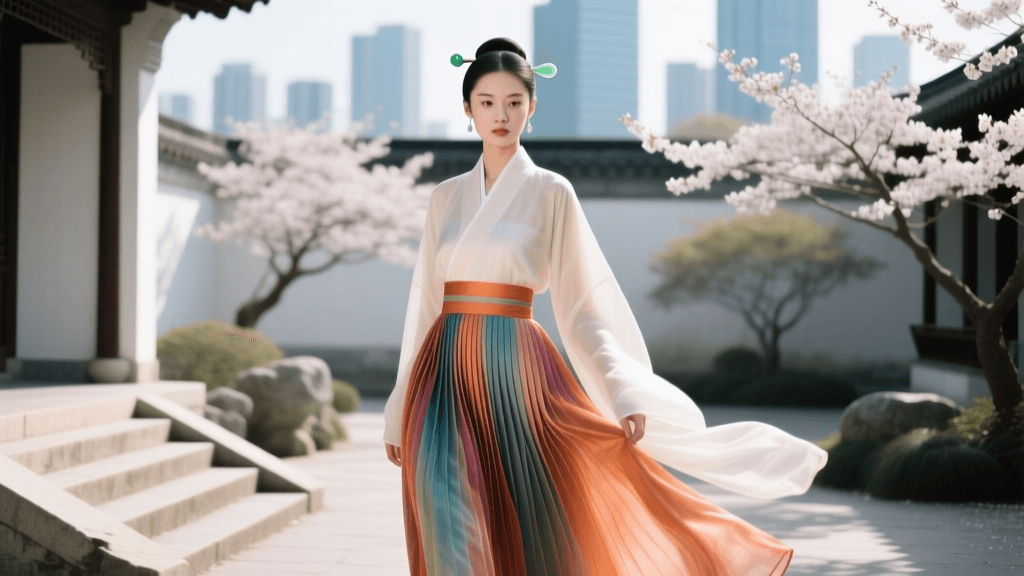
If you have spent any time on TikTok or Douyin over the past two years, you have undoubtedly encountered the Hanfu transformation trend. Among the myriad of traditional Chinese garments featured in these viral transition videos, one silhouette has unequivocally dominated the algorithm: the Mamianqun, or horse-face skirt. Originating from the Ming Dynasty, this structured, pleated skirt has transcended its historical roots to become a cornerstone of modern Xin Zhongshi (New Chinese Style) streetwear.
The explosion of the Mamianqun on social media was not merely a spontaneous fashion trend; it was heavily catalyzed by cultural reclamation. In mid-2022, a major international luxury brand released a mid-length pleated skirt that bore a striking, uncredited resemblance to the traditional Mamianqun. This sparked a massive digital movement. As reported by BBC News, Hanfu enthusiasts organized protests and digital campaigns to reclaim the garment's heritage. The New York Times further documented how this controversy ignited a fierce wave of cultural pride, propelling the Mamianqun from niche historical cosplay into mainstream global fashion consciousness.
Today, the hashtag #Mamianqun boasts hundreds of millions of views across TikTok and Douyin, with creators showcasing everything from hyper-accurate historical restorations to edgy, cyberpunk-inspired streetwear pairings. But how do you actually participate in this trend, source an authentic piece, and style it for both the camera and everyday life?
Anatomy of the Viral Mamianqun
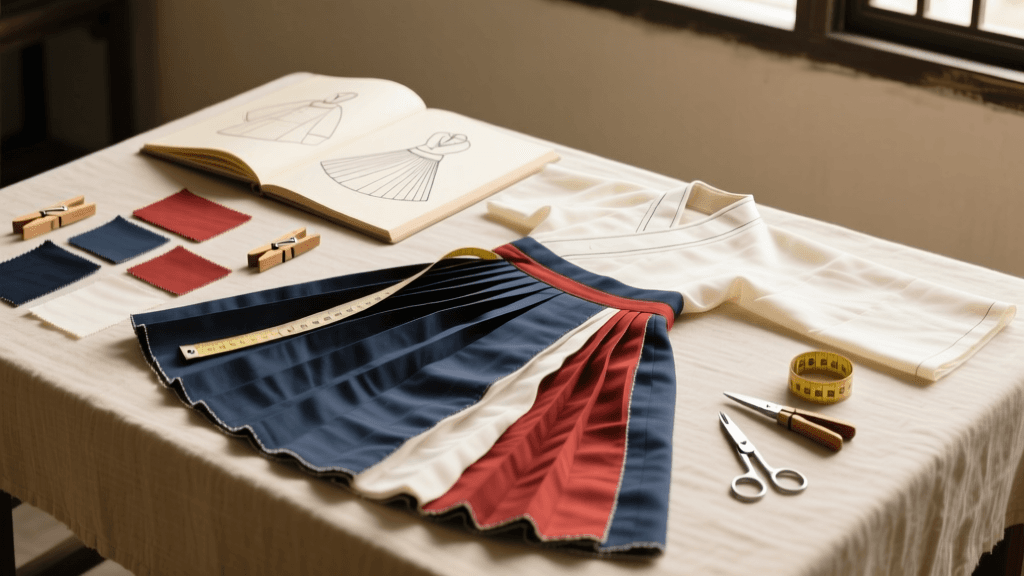
Before you can style the Mamianqun, you must understand its unique architecture. Unlike Western pleated skirts, the Mamianqun consists of two overlapping panels of fabric. The front and back feature flat, unpleated sections (the 'horse faces'), while the sides are deeply pleated. This design allows for a striking visual effect when walking or spinning, making it perfect for dynamic TikTok transitions.
Actionable Sizing and Measurements
Buying a Mamianqun requires a different approach to sizing than modern Western skirts. Because the skirt wraps and overlaps, you cannot simply buy your exact waist measurement.
- Waistband Length: Measure your natural waist. Add 20cm to 30cm (8 to 12 inches) to this number to account for the necessary overlap that keeps the skirt secure and maintains the flat front panel.
- Skirt Length: For the viral 'streetwear' look that pairs well with boots, aim for a length of 95cm to 100cm (hits at the mid-calf or ankle for an average height of 165cm). For traditional, floor-grazing elegance, choose 105cm to 110cm.
- Weight and Drape: Look for woven jacquard fabrics. A good quality Mamianqun should weigh between 400g and 600g. If it is too light, the pleats will fly up in the wind, ruining the structured silhouette required for viral videos.
Platform Breakdown: Where to Buy Authentic Mamianqun
Sourcing a high-quality Mamianqun can be daunting for international buyers. Below is a structured comparison of the most reliable platforms for acquiring these garments, balancing cost, shipping, and authenticity.
| Platform | Estimated Cost (USD) | Shipping Time | Authenticity & Quality | Best For |
|---|---|---|---|---|
| Taobao (via Forwarder) | $30 - $150 | 10 - 20 Days | Highest (Direct from Brands) | Purists & Trendsetters |
| AliExpress | $40 - $100 | 15 - 30 Days | Mixed (Check Reviews) | Budget-Conscious Beginners |
| Western Hanfu Boutiques | $80 - $200 | 5 - 10 Days | High (Curated Selections) | Convenience Seekers |
| Xianyu (Secondhand) | $20 - $80 | 10 - 20 Days | Variable | Sustainable Shoppers |
Pro-Tip for Taobao Shoppers: Search for established brands like Shisanyu (十三余) for highly stylized, Douyin-famous designs, or Minghuatang (明华堂) if you are looking for museum-grade, historically accurate investments. For everyday streetwear, brands like Zhongzheng offer excellent jacquard weaves at mid-tier prices.
Recreating the Viral 'Streetwear Hanfu' Transition Video
The most successful Mamianqun content on TikTok relies on the Bianzhuang (transformation) format. Here is a step-by-step guide to recreating the viral streetwear-to-tradition transition.
1. The Setup and Audio Selection
Choose an audio track that features a traditional Chinese instrument (like the Guqin or Pipa) that suddenly drops into a heavy, modern trap or phonk beat. The transition must align perfectly with the beat drop, usually occurring around the 0:04 or 0:07 mark.
2. Outfit One: The 'Before' Look
Start in oversized, modern streetwear. An oversized vintage graphic tee, baggy cargo pants, and a messy bun or baseball cap work best. The contrast is crucial; the more casual the first look, the more impactful the transformation.
3. Outfit Two: The Mamianqun Reveal
For the 'After' look, pair a heavily embroidered, dark-toned Mamianqun (navy, black, or deep crimson) with a modern, fitted turtleneck or a structured corset top. This blends the Xin Zhongshi aesthetic with high fashion. Add traditional Ming dynasty hair accessories, such as pearl-encrusted Zanzi (hairpins), and finish with a sharp winged eyeliner.
4. The Camera Technique
Place your phone on a tripod to ensure the framing remains identical between shots. For the transition, use the 'jump' or 'hair flip' method. In the first clip, jump up or flip your hair toward the camera lens. In the second clip, start the motion in your full Hanfu and step back. Stitch the clips together at the exact moment the screen goes dark or the motion peaks.
Styling the Mamianqun for Everyday 'Xin Zhongshi'
You do not need to be a content creator to wear the Mamianqun. The Xin Zhongshi movement is all about integrating traditional silhouettes into modern, wearable wardrobes. Here are three actionable styling formulas for everyday wear:
- The Corporate Edge: Pair a solid-colored, matte-black Mamianqun with a crisp, oversized white button-down shirt. Cinch the waist with a thin leather belt over the shirt (sitting just above the skirt's waistband) and finish with pointed-toe Chelsea boots.
- The Autumn Layer: Wear a metallic-woven gold or bronze Mamianqun with a chunky, cream-colored knit sweater. Allow the sweater to drape over the waistband, and add a long wool overcoat. The contrast of the heavy knit and the structured pleats creates a luxurious texture.
- The Edgy Streetwear: Combine a high-slit or ankle-length Mamianqun with a cropped leather biker jacket and combat boots. Accessorize with silver chains layered over the traditional embroidered motifs for a cyberpunk-meets-antiquity vibe.
Garment Care: Maintaining the Viral Pleats
The sharp, knife-like pleats of the Mamianqun are its defining feature. Improper care will cause the skirt to lose its structured volume, making it look like a standard, shapeless wrap skirt. Follow these strict care instructions to preserve your garment:
- Washing: Never machine wash a woven jacquard Mamianqun. The agitation will destroy the pleats and fray the metallic threads. Hand wash in cold water using a gentle, pH-neutral detergent. Do not wring or twist the fabric; instead, press the water out gently between two clean towels.
- Drying: Hang the skirt to air dry in a shaded area. Direct sunlight can fade the rich dyes and weaken metallic embroidery threads.
- Storage: Never fold the Mamianqun flat for long-term storage, as this will create permanent creases across the 'horse face' panels. Instead, use a skirt hanger with multiple clips. Clip the waistband securely and allow the skirt to hang freely. If the pleats begin to loosen over time, use a garment steamer to gently coax the folds back into place, pressing them flat with your fingers while the fabric is warm and damp.
The Mamianqun is more than just a fleeting TikTok trend; it is a living, breathing piece of sartorial history that has successfully adapted to the digital age. Whether you are crafting the perfect transition video or simply elevating your daily streetwear, the horse-face skirt offers a masterclass in the enduring power of traditional Asian fashion.