The Ultimate Kimono Buying Guide: Types, Formality & Costs
Navigating the World of Kimono: A Comprehensive Buyer's Guide
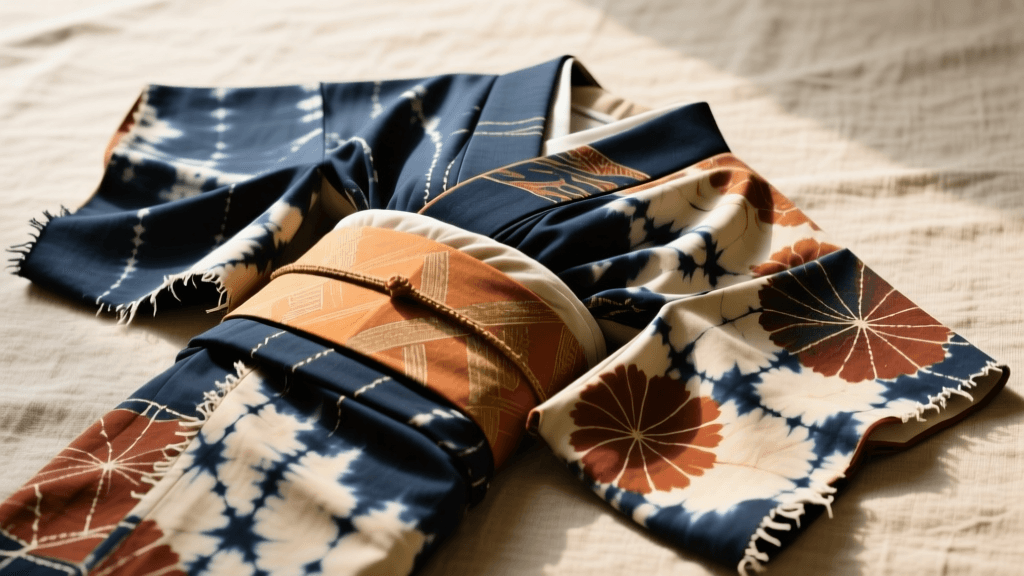
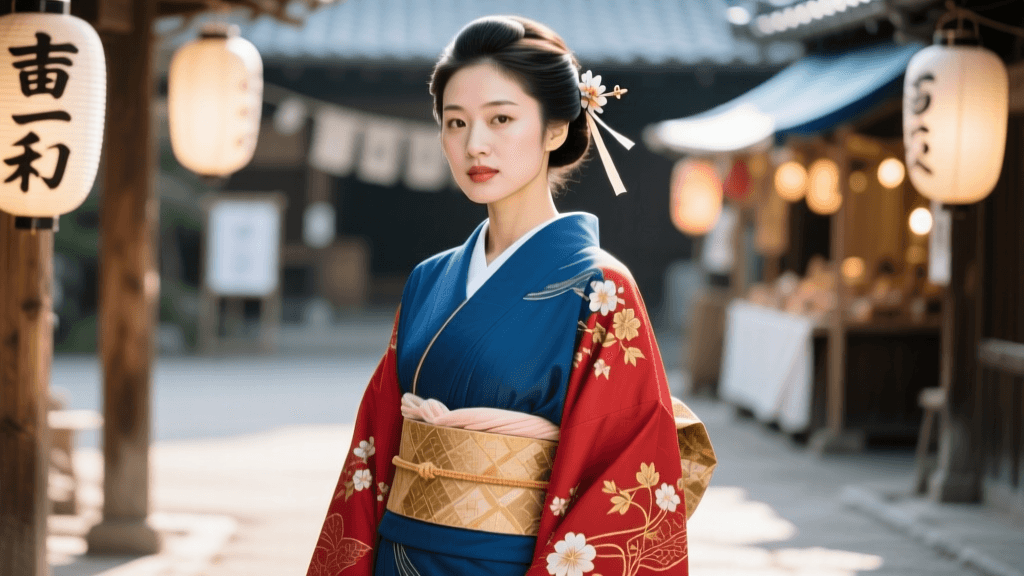
Stepping into the world of traditional Japanese garments can feel like learning a new language. The kimono is not merely a piece of clothing; it is a deeply codified sartorial system where every pattern, fabric, and sleeve length communicates specific social cues, seasonal awareness, and respect for the occasion. Whether you are a collector, a fashion enthusiast, or someone preparing for a formal event in Japan, understanding the nuances of kimono types is essential before making a purchase.
According to the Metropolitan Museum of Art, the evolution of the kimono from the kosode of the Edo period to the modern garment reflects centuries of shifting aesthetics, sumptuary laws, and technological advancements in textile dyeing. Today, buyers must navigate a market that ranges from mass-produced synthetic summer wear to hand-painted, bespoke silk masterpieces costing tens of thousands of dollars. This guide will demystify kimono formality, compare the primary types, and provide actionable advice on sizing, purchasing, and accessorizing.
The Golden Rule of Kimono: TPO (Time, Place, Occasion)
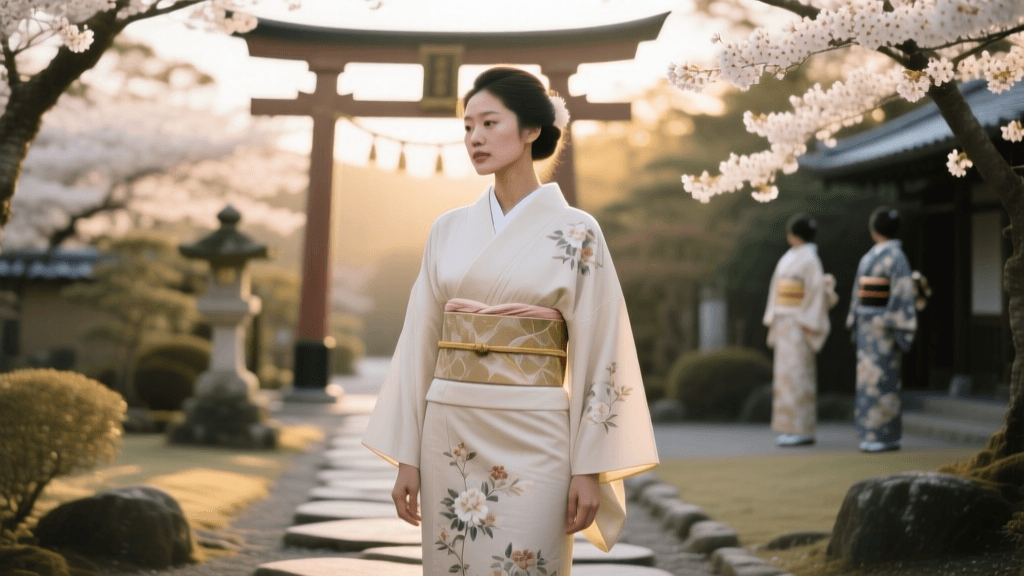
Before comparing specific garments, buyers must understand the TPO rule. In Japanese fashion culture, matching your garment to the Time, Place, and Occasion is paramount. Wearing a highly formal garment to a casual event can be seen as overdressed and awkward, while wearing casual clothing to a formal ceremony is considered deeply disrespectful. Furthermore, seasonality dictates not just the fabric weight, but the motifs. Cherry blossoms should only be worn in early spring, while maple leaves are reserved for autumn. The Victoria and Albert Museum highlights that this seasonal sensitivity, known as kisetsukan, is a hallmark of traditional Japanese dress, making the timing of your purchase and wear just as important as the garment itself.
Comparing the Core Kimono Types
Women's kimono are primarily categorized by their formality, which is dictated by sleeve length, pattern placement, and the presence or absence of family crests (kamon). Below is a detailed breakdown of the most common types you will encounter when shopping.
1. Furisode (振袖)
The furisode is the most formal kimono for unmarried women. It is instantly recognizable by its dramatically long, swinging sleeves, which can measure anywhere from 85 cm to 114 cm in length. Historically, the long sleeves were believed to ward off evil spirits and express deep emotion. Today, furisode are predominantly worn at Coming of Age Day (Seijin no Hi), university graduations, and formal weddings. Because of the intricate, all-over Yuzen dyeing and heavy embroidery, new silk furisode are among the most expensive garments, often starting at $3,000 and easily exceeding $10,000.
2. Houmongi (訪問着)
Translating to 'visiting wear,' the houmongi is a formal kimono suitable for both married and unmarried women. Its defining characteristic is the eba-moyo pattern technique, where the design flows continuously across the seams when the kimono is laid flat, creating a unified, picture-like canvas. It is the go-to choice for wedding guests, formal tea ceremonies, and high-end parties. A houmongi typically features one to three family crests. Expect to pay between $1,500 and $5,000 for a new, high-quality silk piece.
3. Tsukesage (付け下げ)
The tsukesage sits just below the houmongi in formality. Unlike the continuous pattern of the houmongi, the motifs on a tsukesage are dyed or embroidered so that they always point upward, regardless of how the fabric is draped, and they do not cross the seams. It is a highly versatile semi-formal garment, perfect for celebratory dinners, graduation ceremonies, and upscale cultural events. It is generally more affordable than a houmongi, with new prices ranging from $800 to $2,500.
4. Komon (小紋)
Komon translates to 'fine pattern' and represents everyday casual wear. The defining feature is a repeating pattern that covers the entire garment, often applied using stencil dyeing (Edo komon) or modern silk-screening techniques. Because the pattern is repetitive and lacks the directional prestige of a houmongi, komon are strictly for casual outings, shopping, or informal dining. This is the most accessible entry point for vintage buyers, with beautiful silk pieces available in Japanese recycle shops for as little as $30 to $150.
5. Yukata (浴衣)
Originally a bathrobe for the nobility, the yukata is now the ubiquitous casual summer kimono. Made from lightweight, unlined cotton or hemp, it is worn to summer festivals (matsuri) and fireworks displays. Yukata do not require the complex undergarments and stiff collars of silk kimono, making them the easiest for beginners to wear. As noted by the Japan National Tourism Organization, yukata rental and purchase are immensely popular among tourists, with high-quality retail cotton yukata costing between $40 and $120.
Kimono Type Comparison Chart
| Kimono Type | Formality Level | Sleeve Length | Pattern Style | Est. Price (New Silk) | Best Occasion |
|---|---|---|---|---|---|
| Furisode | Very Formal (Unmarried) | 85 - 114 cm | All-over, elaborate | $3,000 - $10,000+ | Coming of Age, Weddings |
| Houmongi | Formal | Standard (~49 cm) | Continuous across seams | $1,500 - $5,000 | Wedding Guest, Tea Ceremony |
| Tsukesage | Semi-Formal | Standard (~49 cm) | Upward-facing, disjointed | $800 - $2,500 | Parties, Graduations |
| Komon | Casual | Standard (~49 cm) | Repeating, all-over | $400 - $1,200 | Everyday wear, casual dining |
| Yukata | Very Casual (Summer) | Standard (~49 cm) | Varied, often bold | $40 - $150 (Cotton) | Summer festivals, fireworks |
Sizing and Measurements: What Buyers Must Know
Unlike Western clothing, kimono are not sold in standard S, M, L sizes. They are tailored to the individual's height and arm span. When buying vintage or ready-to-wear (shitate-agari), you must know two critical measurements:
- Mitake (Back Length): Measured from the base of the neck to the desired hemline. Ideally, the mitake should be roughly equal to your height minus 20-30 cm, allowing for the ohashori (the fold at the waist). A standard vintage mitake is around 155-160 cm, which fits women between 155 cm and 165 cm tall.
- Yuki (Sleeve Span): Measured from the center back of the neck, across the shoulder, and down to the wrist. A standard yuki is about 62-64 cm. If the yuki is too short, the garment will look ill-fitting; if it is too long, it will impede movement.
Buyer's Tip: If you are taller than 165 cm, finding vintage kimono with adequate length can be challenging. Look for garments labeled choba (extra-long) or consider buying a tan-mono (an uncut bolt of fabric) to have a kimono custom-tailored, though this requires a significant financial investment.
New vs. Vintage (Recycle) Market
The modern kimono market is split between brand-new, bespoke garments and the thriving 'recycle' (vintage) market. In Japan, 'recycle shops' are highly respected boutiques selling meticulously cleaned, second-hand silk kimono. Cities like Kyoto and Tokyo are dotted with these stores, offering incredible value. A vintage silk houmongi that would cost $3,000 new can often be found in pristine condition for $200 to $400. When buying vintage, inspect the collar and hem for hidden stains, check the silk for 'shattering' (dry rot), and smell the garment for persistent camphor or mold odors.
Budgeting for the Complete Ensemble
A common mistake made by first-time buyers is budgeting only for the kimono itself. A kimono cannot be worn without its extensive ecosystem of accessories. When planning your purchase, ensure you have budgeted for the following essentials:
- Obi: The sash. A formal maru-obi or fukuro-obi can cost as much as the kimono itself ($300 - $2,000+).
- Obiage & Obijime: The silk scarf and decorative cord used to tie and secure the obi ($30 - $100).
- Nagajuban: The under-kimono that protects the silk from sweat and provides the collar structure ($50 - $200).
- Koshihimo & Datejime: The ties and stiff belts used to secure the garment to the body before the obi is applied ($20 - $50).
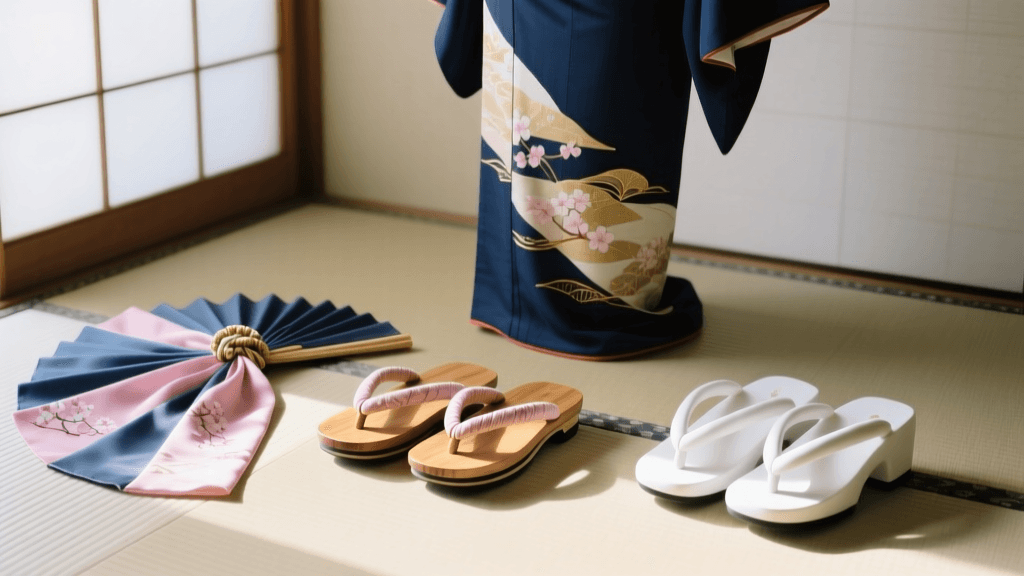
- Tabi & Zori: Split-toe socks and traditional sandals ($40 - $150).
Care and Maintenance
Silk kimono require specialized care. Never attempt to wash a silk kimono at home. In Japan, professional cleaning is known as maru-arai, a process where the garment is carefully spot-treated and gently washed using specialized solvents, costing around $50 to $80 per cleaning. For long-term storage, wrap the kimono in acid-free tatou-shi paper and store it flat in a dry, dark place to prevent humidity damage and color transfer. If you prefer low-maintenance options, modern polyester kimono are widely available; they are machine washable, highly durable, and excellent for rainy weather or casual practice, though they lack the breathability and prestige of authentic silk.
Conclusion
Purchasing a kimono is an investment in wearable art and cultural heritage. By understanding the strict rules of formality, mastering the essential measurements, and exploring the vibrant vintage market, you can build a versatile and authentic collection. Whether you are draping a casual cotton yukata for a summer evening or investing in a bespoke silk houmongi for a formal ceremony, respecting the traditions woven into the fabric will ensure your garment is worn with both elegance and cultural appreciation.