Japanese Festival Costumes: Styling Happi and Bon Odori Yukata
The Heartbeat of Matsuri: Understanding Japanese Festival Wear
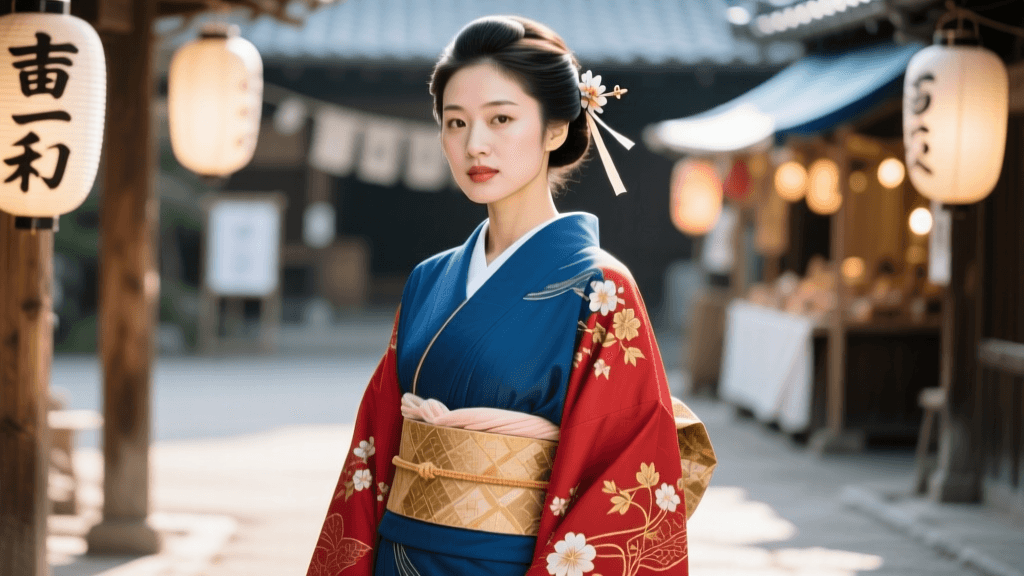
Japanese festivals, known as matsuri, are vibrant celebrations of seasons, deities, and historical events. At the core of these festivities is the traditional performance and festival costume, which serves not only as a uniform for participants but as a medium of cultural expression. According to the Japan National Tourism Organization, matsuri are essential to understanding local community bonds, and the garments worn during these events reflect centuries of textile evolution. From the energetic drumming of taiko ensembles to the synchronized grace of summer Bon Odori dances, selecting the correct festival wear is crucial for both authenticity and physical comfort during performances.
The evolution of these garments from everyday Edo-period workwear to specialized performance costumes is well-documented by The Metropolitan Museum of Art. Today, festival participants must balance historical accuracy with the practical demands of vigorous movement, heat management, and rapid costume changes. This guide provides actionable advice on selecting, sizing, and styling the most iconic Japanese festival garments: the happi coat and the Bon Odori yukata.
The Happi Coat: Structure, Sizing, and Performance Styling
The happi is a lightweight, straight-sleeved coat traditionally worn by shopkeepers, artisans, and festival participants. Characterized by its open front and bold back crests (mon), the happi is the quintessential garment for mikoshi (portable shrine) bearers and taiko drummers. Unlike formal kimono, the happi is designed for high-mobility environments, allowing for a full range of arm and torso movement.
Sizing and Fit for Active Performances
When purchasing a happi for a performance, standard Western sizing does not apply. Japanese festival coats are sized by length and hem width rather than chest circumference. For adult performers, the standard dimensions are as follows:
- Length (Mitake): Typically 80cm to 85cm (31.5 to 33.5 inches), falling just below the hip to allow for deep stances and high knee lifts.
- Hem Width (Susemawashi): Usually 110cm to 120cm (43 to 47 inches) when laid flat, providing ample room for layering over a yukata or fundoshi.
- Sleeve Drop: Approximately 30cm to 35cm, ensuring the sleeves do not interfere with wrist movements when gripping drumsticks (bachi) or shrine poles.
Actionable Advice: If you are buying a happi for a taiko ensemble, opt for a 10oz cotton duck canvas or heavy-weight broadcloth. Lightweight polyester blends will flap excessively during vigorous drumming and fail to absorb sweat. Look for reinforced stitching at the underarm gussets, a high-stress area during overhead strikes.
Styling and Layering the Happi
The happi is rarely worn directly against the skin. For performances, it is layered over a daiko-gi (heavy cotton practice top) or a lightweight juban (undergarment). To secure the happi during movement, performers use a happi-obi—a narrow, sturdy cotton sash measuring roughly 15cm wide and 200cm long. Tie the sash using a simple square knot (hon-musubi) at the front or side, ensuring the knot sits flat against the hip to prevent chafing during repetitive motions.
Bon Odori Yukata: Garments for Summer Dance Festivals
Summer in Japan is defined by Bon Odori, traditional dances performed to welcome the spirits of ancestors. As noted by cultural experts at Japan Experience, the communal aspect of these dances requires garments that are uniform in spirit but breathable enough to withstand high humidity. The yukata, an unlined cotton kimono, is the standard attire for these events.
Fabric Selection and Measurements for Dance
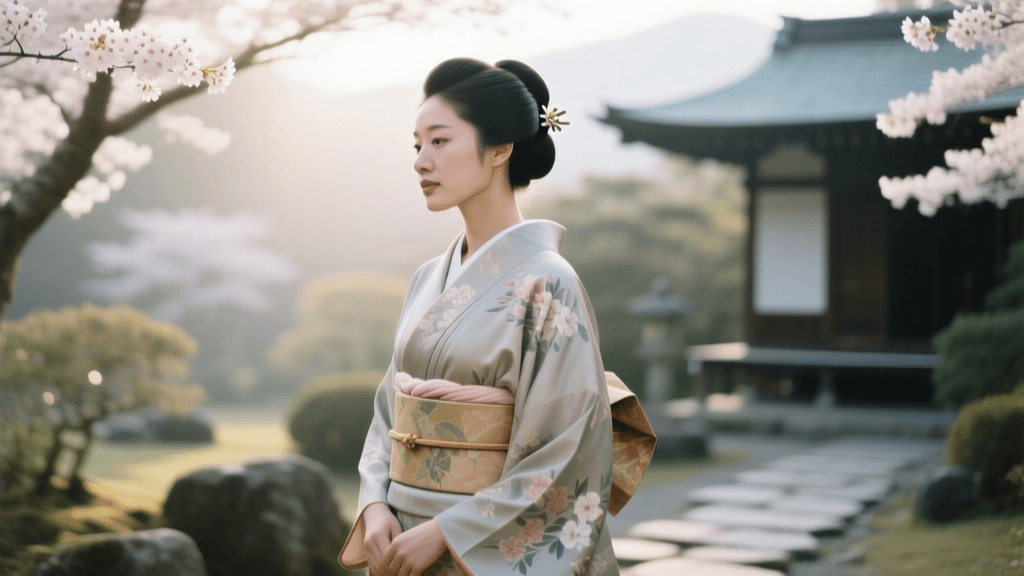
While modern yukata are often made from polyester for easy care, performance yukata for Bon Odori must prioritize breathability and drape. Choose 100% combed cotton or a cotton-linen blend. The fabric weight should be light enough to billow during spins but heavy enough to maintain its shape.
Standard yukata measurements are tailored to the wearer's height. The ideal length is calculated by measuring from the nape of the neck to the ankle, then multiplying by two. For a dancer who is 165cm tall, the total fabric length should be approximately 130cm to 140cm, allowing for the necessary ohashori (the waist tuck that adjusts the length). Ensure the sleeve length (yukitatake) is around 45cm to 49cm; excessively long sleeves will restrict arm movements during the sweeping gestures characteristic of dances like the Awa Odori or Gujo Odori.
Obi Tying Techniques for Unrestricted Movement
The most critical error festival dancers make is tying their obi too tightly or using rigid, formal knots like the taiko musubi. For Bon Odori, the obi must secure the garment while allowing the diaphragm to expand for breathing and singing.
- The Heko Obi: A soft, sheer, or crinkled cotton sash that is gently wrapped and tied in a relaxed bow. It provides security without constriction.
- The Bunko Musubi (Butterfly Knot): The most common knot for female dancers. It is tied using a standard yukata obi (measuring roughly 17cm wide and 360cm long). The knot is compact, sits flat against the lower back, and will not come undone during rotational dance steps.
- The Koma Musubi (Square Knot): Preferred by male dancers, utilizing a stiffer, narrower kaku obi tied firmly at the front or slightly off-center.
Garment Comparison: Happi vs. Hanten vs. Yukata
Understanding the structural differences between common Japanese outerwear and base layers is essential for building a functional festival wardrobe. The table below outlines the primary distinctions to help you select the correct garment for your specific performance needs.
| Garment | Primary Use | Material | Fastening | Average Cost (USD) |
|---|---|---|---|---|
| Happi | Festival parades, Taiko drumming, Mikoshi carrying | Lightweight cotton, broadcloth, or heavy canvas | Open front, tied with a narrow sash or worn over a belt | $30 - $150 |
| Hanten | Winter lounging, indoor warmth, casual cold-weather work | Padded cotton with inner batting (wadding) | Open front, tied loosely at the waist with a simple cord | $50 - $200 |
| Yukata | Bon Odori dancing, summer fireworks, onsen resorts | Unlined cotton, linen, or polyester blends | Wrapped left over right, secured with an obi sash | $40 - $300 |
Footwear and Accessories: Completing the Festival Look
No festival costume is complete without the appropriate footwear. The choice of footwear directly impacts a performer's stability, endurance, and safety.
Tabi and Jikatabi: For mikoshi bearers and energetic dancers, split-toe jikatabi (tabi shoes with rubber soles) are mandatory. They provide essential grip on wet asphalt and protect the toes from being crushed by heavy shrine poles. Look for brands like Marugo or Rikio, specifically their underground or air-cushioned lines, which offer shock absorption for jumping and stomping routines. Costs range from $40 to $80.
Geta and Zori: For more graceful, grounded dances like the Gujo Odori, wooden geta are traditional. The clacking sound of the wood against the stone or pavement acts as a percussive instrument that complements the music. Beginners should opt for senryou-geta, which have a wider base and lower profile, reducing the risk of ankle sprains during complex footwork. Pair these with white cotton tabi socks featuring four or five toe clasps (kohaze) for a secure fit around the calf.
Headwear: A hachimaki (headband) or tenugui (cotton towel) tied around the forehead is both a practical sweatband and a symbol of fighting spirit. When tying a tenugui for performance, use the nekkase knot at the back of the head to ensure it remains secure during inversions or deep bows.
Sourcing, Budgeting, and Care for Performance Garments
Building a high-quality festival wardrobe requires knowing where to source authentic pieces. While tourist shops in Kyoto and Tokyo sell mass-produced polyester happi, serious performers should seek out specialized vendors. Online retailers like Japan Costume or Samurai Store offer authentic, domestically produced cotton garments with customizable back crests. For budget-conscious troupes, vintage markets in Tokyo's Shimokitazawa and Koenji districts are excellent sources for broken-in, high-quality cotton happi and yukata, often priced between $15 and $40.
Care Instructions: To maintain the structural integrity and vibrant indigo dyes of cotton festival wear, never machine wash or tumble dry. Hand wash garments in cold water using a mild, neutral detergent. For indigo-dyed (aizome) happi, wash them separately for the first three cycles, as the natural dye will bleed heavily. Hang dry in the shade to prevent UV fading, and use a low-heat iron with a pressing cloth to smooth out wrinkles before your next performance.