Shiromuku and Iro-Uchikake: Japanese Wedding Kimono Guide
Japanese wedding traditions are a breathtaking synthesis of ancient Shinto rituals and contemporary elegance. At the heart of these ceremonies is the bridal attire, a sartorial masterpiece that communicates purity, familial honor, and artistic heritage. While Western-style white dresses have gained popularity, the traditional Japanese wedding kimono remains the pinnacle of ceremonial fashion. According to cultural historians and institutions like the Victoria and Albert Museum, the kimono is not merely a garment but a canvas of Japanese aesthetic philosophy, reflecting seasonal motifs, social status, and profound symbolism. For brides choosing to honor their heritage, understanding the nuances of the Shiromuku, Iro-uchikake, and Hiki-furisode is essential for planning a flawless traditional wedding.
The Shiromuku: The Pinnacle of Purity
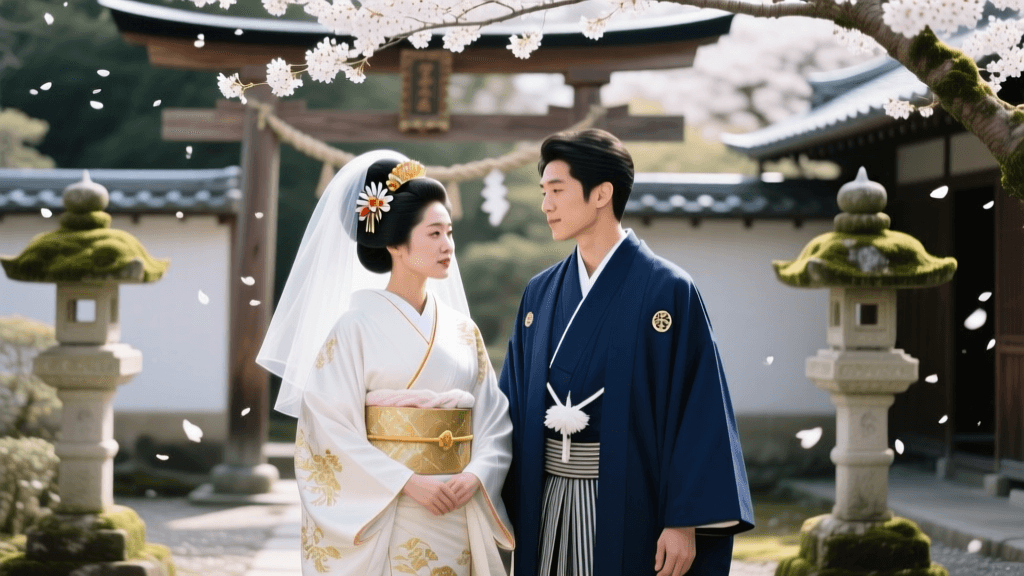
The Shiromuku is the most formal and traditional wedding kimono, worn exclusively during the Shinto wedding ceremony (shinzen shiki). The term translates to 'pure white,' and the entire ensemble—from the outer robe to the inner layers (nagajuban) and accessories—is completely white. In Shinto belief, white represents purity, maidenhood, and a willingness to be 'dyed' in the colors of the groom's family.
The craftsmanship of a Shiromuku is staggering. Artisans employ techniques such as Nishijin-ori (brocade weaving) and intricate silk embroidery to create subtle, tone-on-tone patterns. Cranes, pine trees, and plum blossoms are woven into the pristine silk, symbolizing longevity, resilience, and auspicious beginnings. As highlighted by BBC Travel, the preservation of these ancient weaving and dyeing techniques is a testament to Japan's dedication to its artisanal heritage, with master weavers spending months on a single bolt of bridal silk.
Essential Shiromuku Headpieces
A Shiromuku is incomplete without its traditional headwear. Brides typically choose between two iconic accessories:
- Wataboshi: A large, white, dome-shaped hood worn over the head. It functions similarly to a Western wedding veil, shielding the bride's face from evil spirits and signifying modesty.
- Tsunokakushi: Literally translating to 'horn-hiding,' this is a white silk band tied around the head. Historically, it symbolized the bride's resolve to hide her 'horns' of jealousy and ego, embracing patience and harmony in her new marriage.
The Iro-Uchikake: Color and Celebration
Following the solemn Shinto ceremony, the bride changes into the Iro-uchikake for the wedding reception (hiroen). The uchikake is a heavily padded, unbelted outer robe designed to trail elegantly along the floor. While historically red was the most auspicious color to ward off evil spirits, modern brides select from a vibrant spectrum of hues, including gold, black, deep purple, and pastel pinks.
The Iro-uchikake is a masterpiece of Yuzen dyeing and gold leaf application (surihaku). The motifs are bold and highly symbolic. You will often see the 'sho-chiku-bai' (pine, bamboo, and plum) trio, representing steadfastness and prosperity, or the 'o-shidori' (mandarin ducks), which mate for life and represent marital fidelity. The thick, padded hem (fukikaeshi) gives the garment a luxurious, heavy drape, requiring the bride to practice walking gracefully before the wedding day.
Hiki-Furisode: The Modern Heirloom
For brides seeking a balance between traditional formality and modern mobility, the Hiki-furisode is an increasingly popular choice. A furisode is characterized by its long, swinging sleeves (often measuring 100cm to 114cm in drop), which signify youth and unmarried status. The 'hiki' prefix means 'to trail,' indicating that the hem is padded and designed to sweep the floor, much like an uchikake. However, unlike the open-front uchikake, the Hiki-furisode is tied with a formal maru-obi or fukuro-obi, allowing for greater freedom of movement during the reception and making it easier to navigate modern banquet halls.
Practical Guide: Renting vs. Buying Your Bridal Kimono
Deciding whether to rent or purchase a wedding kimono is one of the most significant logistical and financial decisions a bride will make. Both options offer distinct advantages depending on your budget, timeline, and desire for an heirloom piece. Below is a comprehensive comparison to help you navigate this choice.
| Feature | Kimono Rental (Standard) | Kimono Purchase (Custom) |
|---|---|---|
| Estimated Cost (JPY) | ¥150,000 – ¥350,000 | ¥800,000 – ¥3,000,000+ |
| Estimated Cost (USD) | $1,000 – $2,300 | $5,300 – $20,000+ |
| Lead Time | 3 to 6 months | 6 to 12 months |
| Alterations | Temporary tucking (age) | Permanent, tailored to bride |
| Accessories Included | Usually bundled in package | Purchased separately |
| Post-Wedding | Returned to salon | Heirloom, requires professional cleaning |
Actionable Advice for Kimono Rentals
If you choose to rent, opt for a comprehensive bridal salon package. These packages typically include the kimono, obi, undergarments, zori (sandals), hair ornaments (kanzashi), and the services of a professional kitsuke (kimono dresser) and hairstylist on the day of the wedding. Always verify the salon's policy on accidental staining; many require a non-refundable cleaning deposit of around ¥20,000 to ¥50,000.
Investing in a Custom Purchase
Purchasing a kimono is an investment in an heirloom. If you go this route, you must budget for the 'wasou' (Japanese clothing) undergarments and accessories, which can add an additional ¥200,000 to your total. Furthermore, post-wedding maintenance is crucial. A bridal kimono must undergo 'arai-hari' (traditional washing and re-stretching) or modern chemical cleaning before being stored in specialized paulownia wood boxes (kiribako) to prevent moisture damage and yellowing.
Essential Accessories and Measurements
The beauty of the bridal kimono relies heavily on the hidden architecture and accessories that create its iconic silhouette. Unlike Western dresses that are tailored to the body's curves, the kimono is designed to create a straight, cylindrical silhouette (tsutsu-gata), which is considered the ideal canvas for displaying the garment's intricate patterns.
- Obi: The bridal obi is typically a Maru-obi or Fukuro-obi, heavily brocaded with gold and silver threads. It is tied in a 'bunko' (box) or 'fukura-suzume' (puffed sparrow) knot at the back. The cost of a high-quality bridal obi alone can range from ¥200,000 to over ¥800,000.
- Zori and Tabi: Brides wear pure white tabi (split-toe socks) and zori (formal sandals). For the Shiromuku, the zori straps are white, while for the Iro-uchikake, they may be gold or silver to match the obi.
- Sensu: A folding fan decorated with gold leaf and auspicious motifs is tucked into the obi. It symbolizes a widening future and prosperity.
When scheduling your fitting, the kitsuke dresser will take precise measurements of your 'yuki' (arm span from the center back of the neck to the wrist) and your 'mitake' (total height). If your kimono is a rental, the dresser will use the 'age' (waist tuck) technique to adjust the length, ensuring the hem perfectly grazes the floor while hiding the feet entirely.
Timeline for Bridal Kimono Preparation
Planning a traditional Japanese wedding requires meticulous timing. The intricate nature of silk garments and the high demand for skilled dressers mean you cannot leave preparations to the last minute.
- 8 to 12 Months Prior: Begin researching salons or artisan weavers. If commissioning a custom Shiromuku or Iro-uchikake, finalize your design, silk type, and motifs now.
- 6 Months Prior: Book your rental salon and secure your wedding date. Popular salons in Kyoto and Tokyo book out quickly during the peak wedding seasons (Spring and Autumn).
- 3 Months Prior: Attend your first fitting. The dresser will measure your height, hip width, and arm span to determine how much fabric needs to be tucked at the waist (ohashori).
- 1 Month Prior: Finalize your hair accessories and makeup trial. Ensure your kanzashi match the dominant colors of your Iro-uchikake.
- The Wedding Day: Allocate at least 2.5 hours for the initial dressing process. The Shiromuku requires multiple layers, including the hadajuban (undershirt), susoyoke (half-slip), and nagajuban (inner robe), all meticulously tied with date-jime and koshi-himo cords.
Honoring Tradition in the Modern Era
While Shinto ceremonies and traditional attire represent a deep connection to Japan's past, they remain highly relevant today. According to reports by The Japan Times, many modern couples are choosing to blend Western reception gowns with traditional Shinto ceremonies, allowing brides to experience the profound spiritual weight of the Shiromuku before transitioning into contemporary fashion for the party.
Choosing a ceremonial wedding kimono is an immersive journey into Japanese artistry. From the silent, pristine elegance of the white Shiromuku to the vibrant, storytelling canvases of the Iro-uchikake, these garments are more than mere clothing. They are wearable heritage, wrapping the bride in centuries of cultural blessings, artisanal mastery, and the enduring promise of a harmonious future.