New Chinese Style: The Ultimate Xin Zhongshi Wardrobe Guide
The Rise of Xin Zhongshi: Redefining Asian Traditions
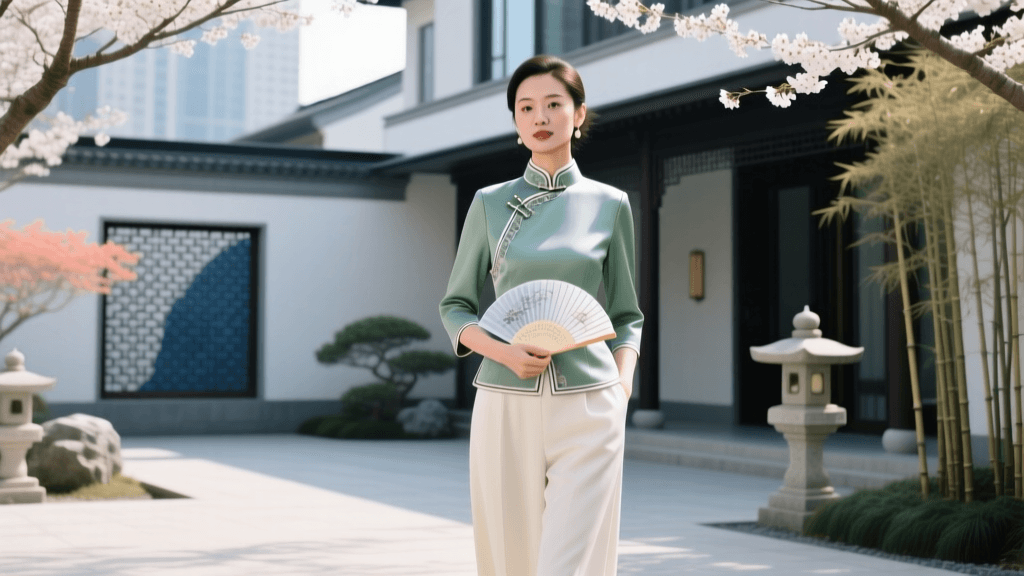
Over the past few years, the global fashion landscape has witnessed a massive surge in interest surrounding traditional Asian garments. However, the most dominant movement is not a strict return to historical reenactment, but rather a modern, lifestyle-driven evolution known as Xin Zhongshi (新中式), or 'New Chinese Style.' This trend seamlessly blends centuries-old Chinese sartorial elements—such as the Mao collar, Pankou (frog buttons), and Mamianqun (horse-face skirts)—with contemporary silhouettes like oversized blazers, crop tops, and tailored denim.
According to industry analyses by Jing Daily, the Xin Zhongshi movement represents a cultural awakening among Gen Z and Millennial consumers who seek to express their heritage without sacrificing modern convenience. Unlike traditional Hanfu, which often requires intricate layering and specific historical accuracy, New Chinese Style is designed for the subway, the office, and the café. It is practical, versatile, and deeply rooted in the philosophy of 'Guochao' (national trend).
Core Elements of a New Chinese Style Wardrobe
Building a Xin Zhongshi wardrobe does not require purchasing a full historical ensemble. Instead, it relies on integrating specific traditional motifs and fabrics into a modern capsule wardrobe. Here are the foundational pieces you need:
1. The Modernized Mamianqun (Horse-Face Skirt)
Originally popularized during the Ming Dynasty, the Mamianqun features a flat front and back panel with deep pleats on the sides. In the New Chinese Style trend, these skirts are frequently crafted from lighter, everyday fabrics like cotton-linen blends or matte polyester, rather than heavy ceremonial brocades. They are universally flattering and serve as the ultimate statement piece when paired with a simple, fitted knit sweater or a crisp white button-down shirt.
2. Pankou (Frog Button) Tops and Outerwear
The Pankou is a traditional knotted fastener used in place of buttons. In Xin Zhongshi fashion, designers are reimagining Pankou using modern materials like brass, enamel, and even carved jade, applying them to Western-style trench coats, denim jackets, and asymmetrical blouses. A simple top with a Mandarin collar and three subtle enamel Pankou fasteners instantly elevates a basic outfit into a culturally rich ensemble.
3. Xiangyunsha (Gambiered Canton Gauze) Silk
For luxury and evening wear, Xiangyunsha is the fabric of choice. This centuries-old silk is dyed using yam juice and river mud, resulting in a dark, metallic sheen that is naturally antibacterial and incredibly breathable. A lightweight Xiangyunsha duster jacket worn over a modern slip dress is a hallmark of high-end New Chinese Style.
Traditional Hanfu vs. New Chinese Style: A Practical Comparison
Understanding the functional differences between strict traditional wear and the Xin Zhongshi trend is crucial for building a practical wardrobe. The table below breaks down the cost, styling requirements, and everyday viability of these approaches.
| Garment Category | Avg. Cost (USD) | Styling Time | Best Occasion | Maintenance Level |
|---|---|---|---|---|
| Traditional Hanfu (Ming/Song) | $80 - $300+ | 20 - 45 mins | Festivals, Travel, Photography | High (Hand wash, careful folding) |
| Traditional Qipao / Cheongsam | $150 - $500+ | 10 - 15 mins | Formal Events, Weddings, Dinners | Medium (Dry clean only) |
| Xin Zhongshi (New Chinese Style) | $40 - $200 | 3 - 5 mins | Daily Wear, Office, Casual Outings | Low (Machine washable blends) |
'New Chinese Style is not about wearing a costume; it is about translating the poetry of traditional Chinese aesthetics into the prose of modern daily life.' — Fashion Critic, South China Morning Post
Actionable Styling Formulas for Everyday Wear
To successfully pull off the Xin Zhongshi look without appearing as though you are wearing a theatrical costume, balance is key. The golden rule of New Chinese Style is the 'One Traditional, Two Modern' ratio. If you wear one traditional garment, the other two elements (shoes, accessories, or opposing garments) must be distinctly modern.
Formula 1: The Corporate Creative (Office Ready)
- Top: A tailored, oversized Western blazer in charcoal or navy.
- Base: A silk camisole or a crisp cotton shirt featuring a subtle Mandarin collar and hidden Pankou placket.
- Bottom: High-waisted, wide-leg tailored trousers.
- Accessories: A minimalist bamboo-weave tote bag and a single jade ring.
Formula 2: The Weekend Café Explorer (Casual)
- Top: A cropped, ribbed knit turtleneck or a vintage graphic tee.
- Bottom: A mid-calf length Mamianqun skirt in a muted tone (e.g., sage green, slate grey, or navy). Sizing Tip: For the perfect drape, measure your height and subtract 45cm to 50cm to find your ideal skirt length. This ensures the skirt hits just above the ankle bone.
- Footwear: Chunky white sneakers or combat boots (a stark, stylish contrast to the flowing pleats).
- Undergarment Note: Because the Mamianqun features deep side slits, always wear 'anti-theft shorts' (safety shorts) in a matching color underneath for modesty and comfort.
Formula 3: Evening Elegance (Dinner & Events)
- Outerwear: A lightweight, unlined Xiangyunsha silk duster or a Song Brocade (Songjin) bomber jacket.
- Base: A sleek, modern slip dress in black or champagne.
- Footwear: Strappy minimalist heels.
- Hair: Secured with a modern enamel hairpin or a carved wooden hair stick.
Sourcing, Costs, and Timing Your Purchases
The accessibility of Xin Zhongshi fashion is one of its greatest strengths. While luxury designers like Ms MIN and Uma Wang push the boundaries on international runways, the heart of the trend beats on e-commerce platforms like Taobao, Tmall, and global marketplaces like AliExpress and YesStyle.
Price Tiers and What to Expect
- Budget Tier ($30 - $70 USD): Ideal for everyday Mamianqun skirts made of polyester blends and cotton tops with printed traditional motifs. Look for high-rated Taobao indie brands. Be aware that cheaper Pankou buttons may be glued rather than hand-knotted, so check user reviews for durability.
- Mid-Tier ($80 - $200 USD): This is the sweet spot for quality. You will find genuine mulberry silk blends, real knotted silk Pankou, and intricate jacquard weaves. Brands in this tier often collaborate with modern artists for original textile patterns, avoiding the generic 'dragon and phoenix' clichés.
- Luxury Tier ($300+ USD): Reserved for authentic Xiangyunsha silk, hand-woven Song Brocade, and bespoke tailoring. These pieces are investment garments that appreciate in cultural and material value.
When to Buy
If you are sourcing directly from Asian e-commerce platforms, time your purchases around major shopping festivals. The 618 Mid-Year Shopping Festival (June) and Singles' Day / Double 11 (November) offer the steepest discounts, often 30% to 50% off mid-tier indie brands. Additionally, buying off-season (e.g., purchasing heavy Song Brocade jackets in July) can yield significant clearance savings.
Garment Care: Preserving the Heritage
Traditional fabrics require specific care to maintain their structural integrity and cultural significance. As noted by textile experts featured in Vogue Business, the fusion of old and new requires a modern understanding of ancient textile maintenance.
- Xiangyunsha Silk: Never machine wash. The river mud and yam dye react poorly to harsh chemicals. Hand wash gently in cool water using a pH-neutral silk detergent, or rely on professional dry cleaning. Do not wring; lay flat in the shade to dry.
- Song Brocade (Songjin): This heavy, multi-layered weave can lose its shape if washed in water. Spot clean when possible, and dry clean for deep stains. Store folded with acid-free tissue paper to prevent the metallic threads from creasing permanently.
- Modern Blends: Most Xin Zhongshi daily wear utilizes cotton-polyester jacquards. These can usually be machine washed on a gentle, cold cycle inside a mesh laundry bag to protect the Pankou knots and delicate pleats of the Mamianqun.
Conclusion: A Living Tradition
The Xin Zhongshi movement is far more than a fleeting social media trend on TikTok or Douyin; it is a profound reclamation of Asian identity through the lens of modern utility. By understanding the history of the garments, respecting the craftsmanship of the fabrics, and applying modern styling formulas, anyone can integrate the elegance of New Chinese Style into their daily life. Whether you are stepping into a corporate boardroom or exploring a new city, the New Chinese Style wardrobe offers a timeless, culturally rich narrative that travels with you.