Decoding Kimono Fashion and Motifs in Ukiyo-e Prints
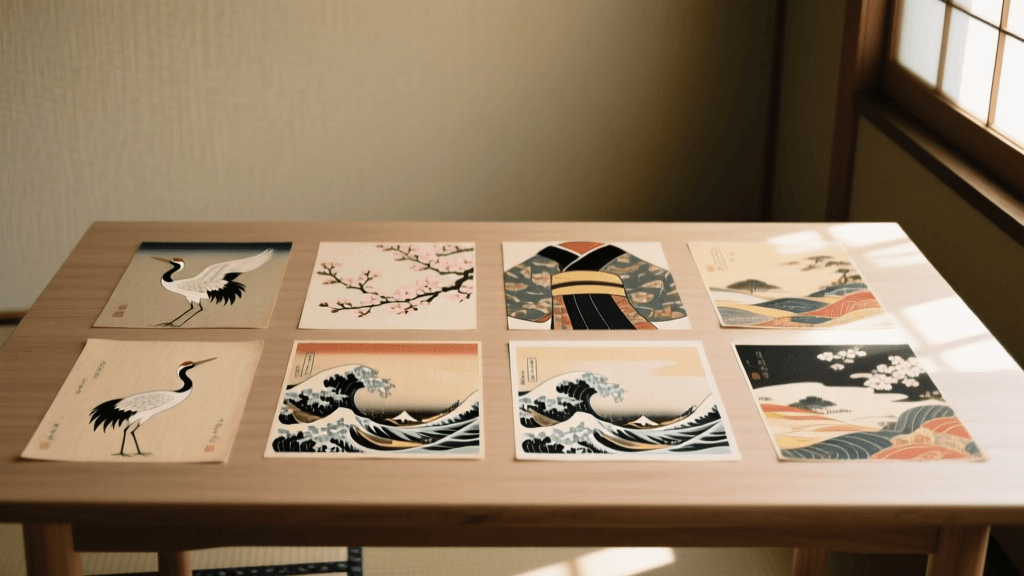
Ukiyo-e, translated as 'pictures of the floating world,' is widely celebrated for its masterful depictions of Edo-period (1603–1867) culture, landscapes, and theater. However, for textile historians, vintage garment collectors, and traditional fashion enthusiasts, these woodblock prints serve a much more specific and invaluable purpose: they are the ultimate historical catalog of Japanese sartorial evolution. Through the meticulous lines and vibrant pigments of ukiyo-e, we can trace the development of the kimono, decode the complex language of its motifs, and understand the strict societal rules that governed what was worn, when, and by whom.
For modern collectors and stylists, studying ukiyo-e is not merely an academic exercise; it is a practical tool. By understanding how historical garments were layered, dyed, and patterned in these prints, one can accurately date vintage textiles, authenticate rare pieces, and draw profound inspiration for contemporary traditional styling. According to The Metropolitan Museum of Art, ukiyo-e artists were deeply intertwined with the textile and publishing industries of their time, often acting as fashion influencers whose prints dictated the seasonal trends of the merchant and samurai classes.
The Intersection of Woodblock Prints and Textile History
The golden age of ukiyo-e coincided with significant shifts in Japanese textile production. During the early Edo period, the ruling Tokugawa shogunate enforced strict sumptuary laws designed to curb the ostentatious displays of wealth by the rising merchant class (chonin). These laws banned certain luxurious fabrics, vibrant colors, and elaborate tie-dyeing (shibori) techniques for commoners. In response, the merchant class developed the aesthetic concept of 'iki'—a refined, subtle, and understated elegance.
This cultural shift is vividly documented in the works of early ukiyo-e masters like Hishikawa Moronobu. His monochromatic and hand-colored prints reveal how commoners bypassed sumptuary laws by wearing garments with plain, dark exteriors but featuring lavishly dyed, vibrant red and gold linings. As the centuries progressed and laws fluctuated, techniques like kata-yuzen (stencil dyeing) allowed for the mass production of intricate, pictorial motifs. Ukiyo-e artists captured these technological leaps, using techniques like suri-baku (the application of mica dust to the print) to mimic the shimmering texture of silk brocade and metallic threads on the printed page.
Reading the Layers: Kosode, Uchikake, and Obi in Art
To the untrained eye, the garments in ukiyo-e prints may simply look like 'kimonos.' However, the term kimono literally translates to 'thing to wear' and was not widely used until the late 19th century. The garments depicted in Edo-period prints are more accurately referred to as kosode (small-sleeved robes), which served as the foundational layer for both men and women, regardless of social class.
By analyzing the layering systems in bijin-ga (pictures of beautiful women) by artists like Kitagawa Utamaro, we can decode the status and profession of the subject. Courtesans (oiran) of the Yoshiwara pleasure district were the ultimate fashion icons of the Edo period. Utamaro’s prints frequently depict these women wearing multiple layers of heavily patterned kosode, topped with a richly embroidered uchikake (an unbelted outer robe worn trailing on the floor). The sheer weight and volume of these layers, often totaling over 15 kilograms, were a deliberate display of wealth and status, as the courtesan required attendants simply to help her move.
The evolution of the obi (sash) is also perfectly chronicled in ukiyo-e. In early 17th-century prints, the obi is depicted as a narrow, practical cord tied at the front. By the late 18th century, as seen in the works of Utagawa Toyokuni, the obi had widened into a stiff, heavily brocaded sash tied in elaborate knots at the back. This shift was not merely aesthetic; tying the obi at the back became a marker of respectability and marital status, while front-tying became associated exclusively with courtesans.
Decoding Motifs: Seasonality and Status in Ukiyo-e
In traditional Japanese dress, motifs are never purely decorative; they are deeply symbolic and strictly tied to seasonality. Ukiyo-e prints provide a masterclass in the 'rules' of seasonal dressing. A fundamental principle of Japanese fashion is the concept of 'saki-dori' (anticipation)—wearing a motif slightly before its peak in nature, rather than during or after. Wearing cherry blossoms while the trees are actually in full bloom was historically considered gauche, as it showed a lack of refined anticipation.
Below is a structured guide to common motifs found in ukiyo-e prints, their seasonal associations, and how they translate to modern traditional wear.
| Motif | Season | Ukiyo-e Context & Meaning | Modern Application & Styling |
|---|---|---|---|
| Sakura (Cherry Blossoms) | Early Spring | Depicted in prints of women preparing for Hanami (flower viewing). Symbolizes the ephemeral nature of life. | Worn from late February to early April. Ideal for graduation ceremonies and spring tea gatherings. |
| Momiji (Maple Leaves) | Autumn | Often shown floating down a stream (Tatsuta-gawa) in Hiroshige's landscapes. Represents the passage of time. | Worn from late September to November. Pair with solid autumnal colors like deep indigo or mustard. |
| Shochikubai (Pine, Bamboo, Plum) | Winter / New Year | Ubiquitous in New Year's prints (surimono). An auspicious trio symbolizing longevity, resilience, and perseverance. | Reserved for formal winter events, weddings, and New Year's Day celebrations (Oshogatsu). |
| Asagao (Morning Glory) | Summer | Frequently painted on paper fans or lightweight yukata in prints depicting summer festivals and cooling evening breezes. | Worn in July and August. Best applied to lightweight, breathable fabrics like ro (gauze) or sha (sheer silk). |
Actionable Guide: Applying Ukiyo-e Aesthetics to Sourcing and Collection
For vintage textile collectors, ukiyo-e serves as a vital reference guide for dating and authenticating garments. When sourcing vintage Meiji (1868–1912) or Taisho (1912–1926) era kimono, comparing the garment's motif placement and sleeve length to historical prints can help verify its age and provenance. Furthermore, understanding the artistic movements captured in woodblock prints can help collectors identify highly sought-after aesthetic periods.
Sourcing and Budgeting for Collectors
If you are looking to build a collection that bridges ukiyo-e art and vintage textiles, consider the following actionable strategies and market estimates:
- Original Edo-Period Ukiyo-e Prints: Authentic 18th and 19th-century prints by masters like Utamaro or Hiroshige typically range from $400 to $3,000, depending on condition, color vibrancy, and the presence of publisher seals. Look for prints with intact mica backgrounds (kira-e), as these were specifically designed to highlight luxury textiles.
- Taisho-Roman Revival Prints: The 1920s saw a revival of ukiyo-e aesthetics blended with Art Deco influences (Taisho Roman). These prints, and the corresponding vintage kimono featuring bold, geometric, and modernist motifs, generally cost between $100 and $500 for prints, and $300 to $1,200 for well-preserved Taisho-era kimono.
- Where to Source: The best physical markets for sourcing both vintage prints and textiles are the Tokyo Antique Market at Yasukuni Shrine (held on the 1st and 3rd Sundays of the month) and the Oedo Antique Market at Tokyo International Forum. For international buyers, reputable online auction houses specializing in Asian art, such as Bonhams or Christie's, frequently feature curated textile and print lots.
Using Prints to Date Vintage Kimono
When examining a vintage kimono, cross-reference its structural elements with ukiyo-e timelines. For instance, the length of the furisode (swinging sleeve) on young women's garments grew progressively longer from the early Edo period to the mid-Edo period. In early Moronobu prints, sleeves are relatively short and practical. By the time of late Edo and Meiji prints, the ofurisode (large swinging sleeve) measures between 104 cm and 114 cm in length. If you find a vintage furisode with sleeves exceeding 105 cm featuring Edo-style Yuzen dyeing, you can confidently date it to the late Meiji or early Taisho period, when romanticized revivals of Edo fashion were highly popular.
Preserving the Legacy of Edo-Period Fashion
Collecting and studying garments inspired by or contemporary to the ukiyo-e masters requires meticulous care. Historical textiles, particularly those featuring metallic threads or delicate silk gauze depicted in summer prints, are highly susceptible to light damage and humidity. The Victoria and Albert Museum (V&A) emphasizes that traditional Japanese storage methods remain the gold standard for preservation today.
Always wrap vintage silk kimono in acid-free, unbleached cotton cloth or traditional tatou-shi (specially treated Japanese paper). Never store silk in plastic, as it traps moisture and promotes mold growth. Store the wrapped garments flat in paulownia wood (kiri) drawers, which naturally regulate humidity and repel insects. By treating these garments with the same reverence that the ukiyo-e artists applied to their woodblocks, collectors ensure that the 'floating world' of Edo-period fashion remains tangible, vibrant, and accessible for generations to come.
Ultimately, ukiyo-e woodblock prints are far more than beautiful artworks; they are the definitive visual archives of Japanese textile history. By learning to read the layers, motifs, and subtle cues within these prints, modern enthusiasts can unlock a deeper, more authentic appreciation for the kimono, transforming the way they collect, style, and preserve these extraordinary garments.