The Ultimate Hanfu Care Guide: Wash, Store, and Pleat
The Hanfu Renaissance and the Care Conundrum
The global resurgence of Hanfu (traditional Han Chinese clothing) has transformed historical garments from museum relics into vibrant, everyday fashion. Whether you are participating in a traditional festival, attending a wedding, or embracing the New Chinese Style (Xin Zhongshi) for daily wear, owning Hanfu is an investment in culture and craftsmanship. However, the diverse textiles used in these garments—ranging from delicate mulberry silks to heavily structured brocades—require specialized maintenance. Improper washing or storage can lead to faded colors, shattered silk fibers, and the catastrophic loss of structural pleats.
This comprehensive guide provides actionable, expert-backed advice on how to wash, dry, iron, and store your Hanfu collection, ensuring your garments remain pristine for generations. According to the Canadian Conservation Institute, the longevity of historical and traditional textiles relies heavily on understanding the specific chemical and physical vulnerabilities of their constituent fibers.
Decoding Hanfu Fabrics: Silk, Synthetics, and Blends
Before introducing water or heat to your garments, you must identify the fabric composition. Modern Hanfu manufacturers utilize a wide spectrum of materials to balance historical accuracy with modern durability and cost.
1. Mulberry Silk and Xiangyunsha (Gambiered Canton Gauze)
High-end Hanfu often features pure mulberry silk or the highly prized Xiangyunsha, a silk dyed with river mud and plant tannins. Silk is a protein fiber, meaning it is highly sensitive to alkalinity, heat, and enzymatic detergents. Alkaline substances cause silk fibers to swell and eventually break down, leading to a loss of luster and structural integrity.
2. Zhijin (Woven Brocade) and Polyester Blends
Many accessible Hanfu pieces, particularly Mamianqun (horse-face skirts) and Beizi (long outer jackets), are crafted from polyester blends or synthetic brocades. These fabrics are highly durable, colorfast, and resistant to wrinkling, but they are susceptible to heat damage and can trap body oils if not washed correctly.
3. Cotton, Linen, and Ramie
Summer Hanfu and undergarments (Zhongyi) frequently use cotton, linen, or ramie. These plant-based cellulose fibers are breathable and robust, capable of withstanding higher water temperatures and standard detergents, though they are prone to severe shrinkage and hard creasing if dried improperly.
The Ultimate Hanfu Washing Matrix
To streamline your laundry routine, refer to this washing matrix. Always turn garments inside out and place them in fine mesh laundry bags to prevent snagging on delicate trims or metallic threads.
| Fabric Type | Washing Method | Water Temperature | Detergent Type | Drying Method |
|---|---|---|---|---|
| Pure Silk / Xiangyunsha | Hand wash only (gentle agitation) | Cold (Max 30°C / 86°F) | pH-neutral silk wash or baby shampoo | Roll in towel, lay flat in shade |
| Polyester / Synthetic Brocade | Machine wash (delicate cycle in mesh bag) | Cool (Max 40°C / 104°F) | Mild liquid detergent (no bleach) | Hang dry on padded hanger |
| Cotton / Linen / Ramie | Machine wash (gentle cycle) | Warm (Max 40°C / 104°F) | Standard mild detergent | Hang dry, avoid direct sunlight |
| Blends with Metallic Threads | Hand wash or dry clean only | Cold (Max 20°C / 68°F) | pH-neutral delicate wash | Lay flat, never wring |
Pro Tip for Silk: Never use biological detergents containing protease enzymes on silk. Because silk is a protein, enzymes designed to break down protein-based stains (like blood or sweat) will literally digest your silk garment over time.
The Mamianqun Masterclass: Preserving the Horse-Face Skirt Pleats
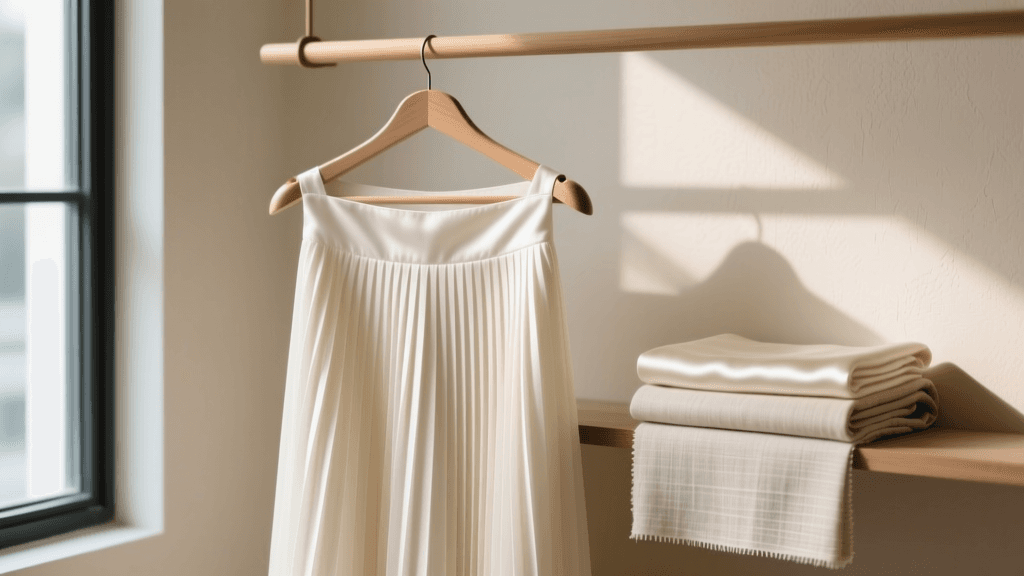
The Mamianqun, characterized by its flat front and back panels with deeply pleated sides, is a staple of the Ming Dynasty wardrobe and modern Hanfu fashion. The most common disaster for new Hanfu enthusiasts is washing a Mamianqun and watching the sharp, knife-edge pleats explode into a frizzy, unmanageable mess. Preserving these pleats requires a meticulous, multi-step process.
Step-by-Step Pleat Maintenance
- The Wash: Hand wash the skirt in a basin of cold water with a mild detergent. Do not twist, wring, or aggressively scrub the pleated sections. Gently press the water through the fabric.
- The Extraction: Lift the skirt from the water, supporting its heavy, wet weight from the bottom to prevent the waistband from stretching. Lay it flat on a clean, dry bath towel. Roll the towel and skirt together like a Swiss roll, pressing gently to absorb excess moisture. Never use a mechanical spin cycle.
- The Alignment: Unroll the skirt and immediately hang it on a skirt hanger equipped with multiple adjustable clips. While the fabric is still damp, carefully realign every single pleat by matching the fold lines from the hem up to the waistband.
- The Clipping: Use specialized Hanfu pleating clips (widely available on platforms like Taobao, AliExpress, or Etsy) or standard binder clips lined with tissue paper to prevent rust marks. Clip the pleats securely in place along the hem and mid-section.
- The Press: Once the skirt is 90% dry, remove the clips. Lay the skirt flat on an ironing board, cover it with a clean cotton press cloth, and apply a steam iron on a low-to-medium setting. Press down firmly (do not glide back and forth, which will shift the pleats) to set the heat and lock the folds in place.
Drying and Ironing Protocols
How you dry and iron your Hanfu is just as critical as how you wash it. Direct ultraviolet (UV) light is the enemy of dyed textiles. According to guidelines from the Metropolitan Museum of Art's Textile Conservation Department, prolonged exposure to light causes irreversible photo-oxidation, leading to fading and fiber embrittlement. Always dry your Hanfu indoors or in a deeply shaded, well-ventilated area.
When ironing, always utilize a barrier. A white cotton press cloth prevents the iron's soleplate from directly contacting synthetic brocades (which can melt and leave a shiny residue) or silk (which can scorch instantly). For garments with voluminous sleeves, such as the Daxiushan (large-sleeve robe), use a tailor's ham or a rolled-up towel inside the sleeve to maintain the garment's three-dimensional curvature while pressing out wrinkles.
Archival Storage: Protecting Your Investment
Proper storage prevents moth damage, moisture buildup, and permanent creasing. The Xin Zhongshi movement has popularized wearing traditional garments daily, meaning your collection likely rotates frequently, but seasonal pieces require long-term archival care.
Hanging vs. Folding
Not all Hanfu should be hung. Heavy garments, such as heavily embroidered winter jackets or multi-layered skirts, should be folded to prevent gravity from distorting the shoulder seams and waistbands over time. When folding, the Victoria and Albert Museum recommends padding the folds with acid-free, unbuffered tissue paper. This prevents hard creases that can eventually snap fragile silk fibers along the fold lines.
For lighter garments like Ruqun tops and sheer Beizi, use velvet-padded hangers. Wire hangers or thin plastic hangers will create permanent shoulder bumps and fail to support the weight of traditional cross-collars and wide sleeves.
Pest and Moisture Control
Silk and wool are highly attractive to clothes moths and carpet beetles. Avoid traditional mothballs, which contain naphthalene or paradichlorobenzene—chemicals that are toxic to humans and can cause yellowing in white silks. Instead, utilize natural alternatives:
- Cedarwood Blocks: Sand them lightly every few months to refresh the natural oils that repel insects.
- Lavender Sachets: Ensure the sachets are made of breathable cotton and do not directly touch the fabric to prevent oil transfer.
- Silica Gel Packets: In humid climates, place silica gel packets in your storage drawers or garment bags to maintain a relative humidity of around 50%, preventing mold growth on organic fibers.
"The preservation of traditional garments is not merely about maintaining fabric; it is about safeguarding the tangible heritage and artisanal techniques woven into every thread."
Conclusion
Caring for Hanfu and traditional Chinese clothing requires a departure from modern, fast-fashion laundry habits. By understanding the unique properties of silk, synthetic brocades, and plant fibers, and by mastering the art of Mamianqun pleat maintenance, you ensure that your garments remain vibrant and structurally sound. Treat your Hanfu with the respect its history demands, and it will continue to be a stunning, wearable piece of living culture for years to come.