Miao Ethnic Clothing: Guide to Indigo Batik & Silver
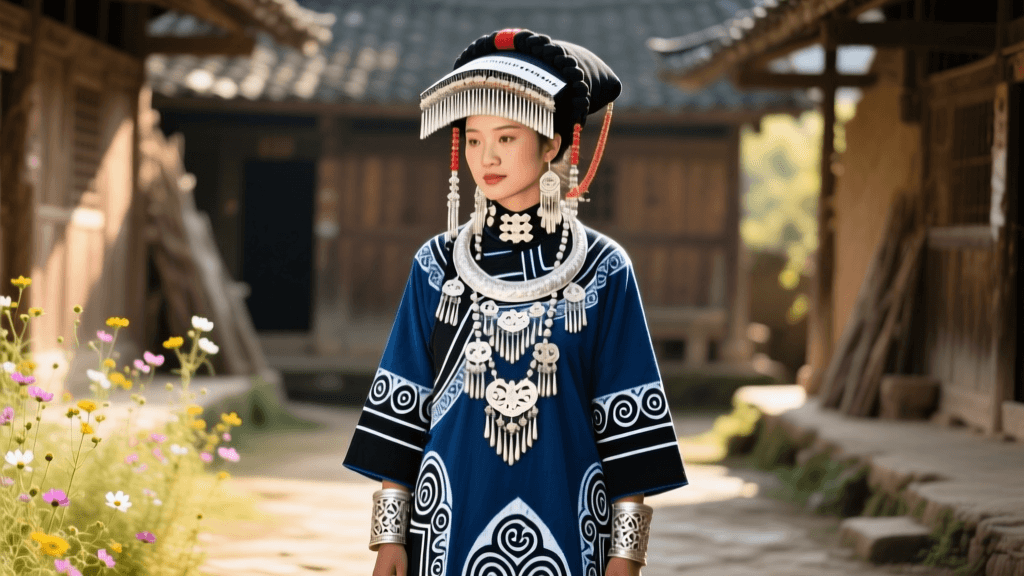
The Living Canvas: Understanding Miao Sartorial Traditions
The Miao people, also known globally as the Hmong, represent one of China’s most culturally rich and diverse ethnic minority groups. Concentrated primarily in the mountainous provinces of Guizhou, Yunnan, and Hunan, the Miao have historically lacked a widely used written language. Instead, they have encoded their mythology, migration history, and social status into their garments. According to Britannica's overview of Hmong and Miao cultural history, clothing serves as a vital historical record and a marker of identity among the various Miao subgroups, which are often categorized by outsiders based on their sartorial choices, such as the Black Miao, White Miao, and Long-Skirt Miao.
For collectors, cultural enthusiasts, and travelers, navigating the market for authentic Miao clothing requires a deep understanding of their three primary textile and accessory arts: indigo batik (Laran), silver jewelry (Yinshi), and mythological embroidery. This guide provides actionable insights into identifying, purchasing, and preserving these extraordinary ethnic garments.
The Art of Miao Indigo Batik (Laran)
Miao indigo batik is a masterful resist-dyeing technique that has been passed down through generations of women in villages like Danzhai and Zhijin in Guizhou Province. The process is labor-intensive and deeply tied to the agricultural calendar.
The Beeswax Resist and Indigo Fermentation Process
Artisans use a specialized brass tool called a ladao (wax knife) to draw intricate geometric and floral patterns onto white cotton or hemp cloth using melted beeswax. The wax acts as a resist. The fabric is then submerged in vats of fermented indigo dye, derived from the Strobilanthes cusia plant. Fermenting the indigo vat is a delicate biological process that takes 20 to 30 days, requiring the artisan to maintain a specific alkaline balance using rice wine and wood ash lye, kept at a stable room temperature of 20°C to 25°C (68°F to 77°F).
Once the desired depth of blue-black is achieved—often requiring up to 20 separate dips over several weeks—the cloth is boiled in water to melt away the beeswax, revealing the crisp, white patterns beneath. The characteristic "ice-crack" veining, where dye seeps into natural fractures in the hardened wax, is the hallmark of genuine hand-drawn batik.
Actionable Buying Guide: Sourcing Authentic Batik
When shopping in markets in Kaili or Guiyang, distinguishing between authentic handcrafted batik and mass-produced, screen-printed imitations is crucial.
- The Smell Test: Authentic indigo and beeswax retain a faint, earthy, herbal scent. Synthetic chemical dyes smell sharp or like petroleum.
- The Rub Test: Rub a damp white cloth firmly against the blue dye. Genuine fermented indigo will transfer slightly onto the white cloth (a natural property of surface indigo), whereas synthetic vat dyes will remain completely colorfast.
- The Reverse Side: Hand-dipped batik penetrates the fabric, meaning the reverse side will be nearly as dark as the front. Screen-printed imitations will have a stark white reverse side.
- Cost Expectations: A genuine, hand-dyed Miao batik cotton jacket typically costs between 800 and 1,500 RMB ($110 to $210 USD). Intricate ceremonial skirts with pleated batik can range from 2,500 to 5,000 RMB ($350 to $700 USD) due to the months of labor involved.
The Weight of Heritage: Miao Silver Jewelry (Yinshi)
No Miao festival or wedding is complete without the dazzling display of silver jewelry. For the Miao, silver represents light, purity, and protection against evil spirits. Historically, it also functioned as a portable form of wealth and a crucial component of a bride’s dowry. The craftsmanship of Miao silversmiths is so highly regarded that it is frequently documented in cultural preservation archives, including the UNESCO Intangible Cultural Heritage registry for China, which recognizes the broader importance of ethnic minority metalworking and textile traditions.
Purchasing Miao Silver: Alloys vs. Fine Silver
Traditional Miao silver jewelry includes massive horned headdresses, multi-tiered neck rings (xiangquan), and intricate chest plates. When purchasing these items, buyers must understand the metallurgy involved.
- Traditional Alloys (White Copper/Brass): Historically, due to the scarcity and softness of pure silver, Miao artisans frequently used alloys of white copper, brass, and silver. These alloys are harder, allowing for the extreme structural integrity needed to support massive headdresses that can weigh up to 5 kilograms (11 lbs). Vintage "silver" pieces are often these alloys, valued for their age and craftsmanship rather than melt value.
- Modern Fine Silver (S990/S999): Today, many artisans in Kaili’s silver streets work with pure S990 or S999 silver. However, pure silver is too soft for large structural pieces like the iconic buffalo horn crowns. Therefore, modern large pieces are often silver-plated over a copper core, while smaller items (hairpins, bracelets) are solid silver.
- Pricing Metrics: Authentic artisan silverwork is priced by weight plus labor. Expect to pay between 15 and 35 RMB ($2 to $5 USD) per gram for finished, hand-filigreed pieces. A solid silver bracelet weighing 50 grams will cost approximately 1,000 to 1,500 RMB ($140 to $210 USD).
Comparison Chart: Authentic vs. Commercial Miao Garments
Understanding the differences between village-made textiles and factory-produced tourist souvenirs will save you time and money. The Metropolitan Museum of Art's Asian Art collection showcases the staggering complexity of historical Miao textiles, a standard that authentic village artisans still strive to meet today.
| Feature | Authentic Handcrafted Miao Garment | Mass-Produced Commercial Replica |
|---|---|---|
| Production Time | 3 to 6 months (spinning, dyeing, embroidering) | 1 to 3 days (machine woven, screen printed) |
| Base Material | Hand-spun cotton, hemp, or raw silk | Synthetic polyester blends or cheap machine cotton |
| Dye Source | Fermented botanical indigo, tree bark, roots | Chemical azo dyes |
| Embroidery | Hand-stitched (e.g., Shuiwei, seed stitch) | Computerized machine embroidery |
| Price Range (Jacket) | 1,500 - 8,000+ RMB ($210 - $1,100+ USD) | 80 - 250 RMB ($11 - $35 USD) |
| Cultural Value | Heirloom quality, supports village economies | Souvenir grade, no cultural preservation value |
Miao Mythological Embroidery
While batik provides the canvas, embroidery provides the narrative. Miao embroidery is famous for its raised, three-dimensional textures and vibrant color palettes. The most important motif is the "Butterfly Mother" (Mai Bang), the primordial ancestor of humanity and animals in Miao creation myths. You will also frequently see buffalo horns (symbolizing agricultural wealth and ancestral spirits), dragons (depicted as benevolent, worm-like water spirits rather than imperial Chinese dragons), and pomegranates (symbolizing fertility).
Actionable Tip: When examining embroidery, look at the back of the fabric. Authentic Miao embroiderers, particularly those practicing the "hidden stitch" technique from the Xiangxi region, produce a reverse side that is nearly as neat and knot-free as the front. Machine embroidery will show chaotic, dense threading on the reverse.
"To wear Miao clothing is to wear a history book. Every pleat in the skirt represents a mountain crossed during our ancestors' great migrations; every silver ring is a prayer for protection." — Village Elder, Xijiang Qianhu Miao Village.
Actionable Care Guide for Indigo and Silver
Proper maintenance is essential to preserve the integrity of ethnic minority textiles and metals.
Caring for Indigo Batik
- Initial Setting: Before the first wash, soak the indigo garment in cold water mixed with 1/2 cup of white vinegar or 1 cup of coarse sea salt for 30 minutes to help set the natural dye.
- Washing: Never use hot water or alkaline detergents, as they will strip the indigo. Hand wash gently in cold water using a pH-neutral soap (like baby shampoo or specialized silk detergent).
- Drying: Do not wring the fabric. Roll it in a dry towel to press out moisture, then hang it to dry in a well-ventilated, shaded area. Direct sunlight will rapidly fade natural indigo to a dull grey.
Caring for Miao Silver
- Tarnish Removal: Traditional Miao silver alloys and pure silver will oxidize and turn black when exposed to sulfur in the air and sweat. Clean them using a soft cloth and a paste made of baking soda and water. Avoid harsh chemical dips, which can damage the delicate filigree work.
- Storage: Store silver pieces in airtight anti-tarnish bags with silica gel packets. For heavy neck rings, store them flat to prevent the metal from warping under its own weight over time.
Where to Source Authentic Pieces
To bypass middlemen and purchase directly from artisans, plan your sourcing trips to specific regional hubs:
- Danzhai County (Guizhou): The undisputed capital of Miao indigo batik. Visit the villages of Pailu and Yangwu to watch artisans draw wax and dip fabrics. You can commission custom jackets directly from the cooperatives here.
- Kaili City (Guizhou): The cultural heart of the Qiandongnan Miao and Dong Autonomous Prefecture. The Kaili Ethnic Museum is a must-visit for reference, while the surrounding silver streets (like Xijiang's silver alleys) are ideal for commissioning custom silverwork based on exact gram weights and measurements.
- Shidong Town (Taijiang County): Famous for its intricate, multi-colored silk embroidery. The annual Sisters' Meal Festival in spring is the best time to see and purchase the finest embroidered jackets and pleated skirts.
By understanding the profound craftsmanship behind Miao indigo, silver, and embroidery, collectors and travelers can make ethical, informed purchases that help sustain these extraordinary Asian clothing traditions for future generations.