The Modern Hanfu Revival: A Beginner's Guide to Ming Styles
The Hanfu Revival Movement: More Than Just a Trend
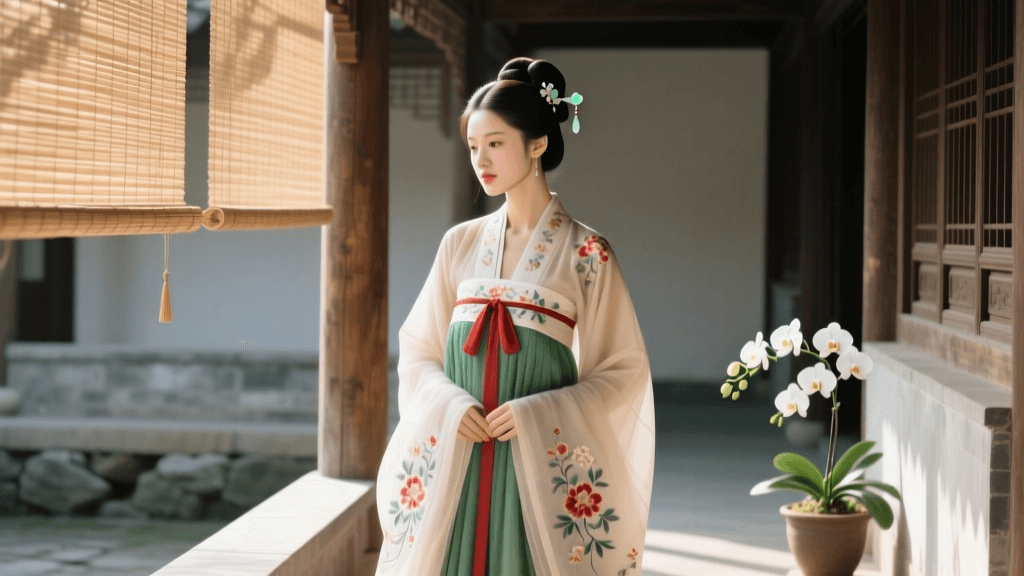
The Hanfu revival movement, known in Chinese as Hanfu Yundong, is a fascinating socio-cultural phenomenon that has transformed from niche internet forums in the early 2000s into a multi-billion-dollar fashion industry today. Driven by a younger generation seeking to reconnect with pre-Qing dynasty Han Chinese heritage, the movement is not merely about historical reenactment; it is about integrating traditional aesthetics into modern, everyday life. According to BBC News, millions of young Chinese consumers are now purchasing and wearing Hanfu daily, fundamentally shifting the landscape of Asian traditional fashion.
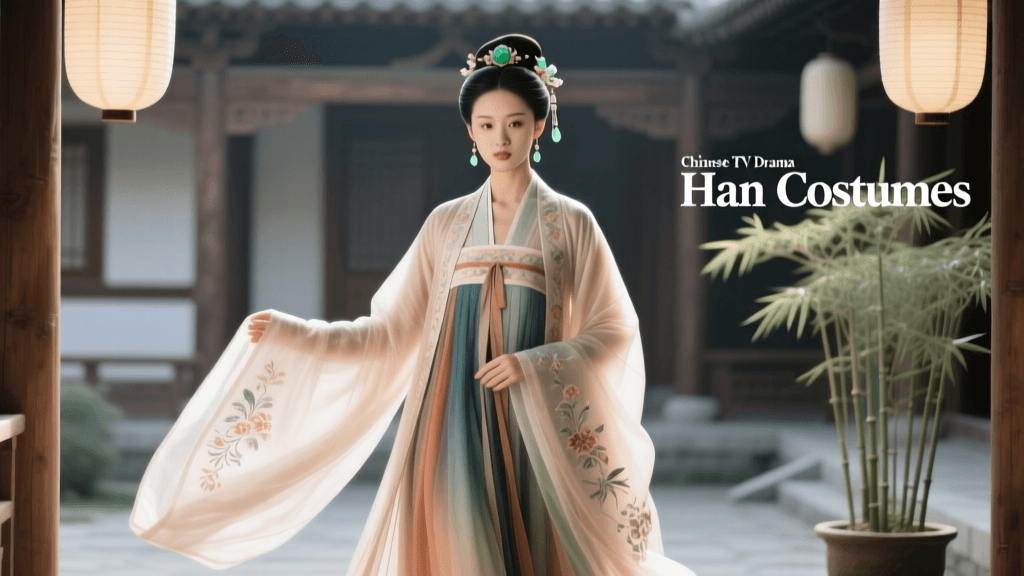
For newcomers, the sheer volume of historical eras, regional variations, and complex terminology can be overwhelming. While the flowing, ethereal silhouettes of the Tang dynasty or the minimalist, slender lines of the Song dynasty are visually stunning, they are not always the most practical for a modern beginner. This is where the Ming Dynasty (1368–1644) steps in as the ultimate gateway into the Hanfu wardrobe.
Why Ming Dynasty Aoqun is the Perfect Starting Point
The Ming Dynasty represents the last era of Han Chinese imperial rule before the Qing dynasty's mandate of Manchu dress. Consequently, Ming clothing holds a special place in the revival movement. The quintessential Ming outfit for women is the Aoqun (jacket and skirt ensemble). Unlike earlier dynasties that favored high-waisted dresses or robes tied at the chest, the Ming Aoqun features a structured, tailored jacket worn over a pleated skirt. This silhouette closely mirrors modern sensibilities, offering elegance, modesty, and exceptional ease of movement.
The Pipa Sleeve Ao (Jacket)
The Ao is a lined or unlined jacket characterized by its cross-collar (always wrapping right over left, a vital rule in Han Chinese tradition) or round collar. For beginners, the Pipa sleeve Ao is highly recommended. Named after the traditional Chinese lute, the sleeves curve gently and narrow at the wrist, preventing the fabric from dragging in your soup or catching on door handles—a common issue with the dramatic wide sleeves of the Tang or Wei-Jin periods.
- Fabric Choice: Opt for cotton-linen blends or woven jacquard for daily wear. Avoid pure silk for your first piece, as it requires meticulous care.
- Closures: Ming jackets utilize traditional knotted buttons (pankou) or subtle tie closures. Ensure the inner and outer ties are secured properly to maintain the structural integrity of the collar.
The Mamianqun (Horse-Face Skirt)
The Mamianqun, or horse-face skirt, is the undisputed icon of the modern Hanfu revival. As reported by Reuters, the Mamianqun has even crossed borders, appearing in international haute couture collections and sparking global conversations about cultural heritage and design ownership. The skirt features two flat, unpleated panels (the 'horse faces') at the front and back, with intricate knife or box pleats on the sides.
- The Wrap Mechanism: The skirt is a single, long piece of fabric that wraps around the waist and overlaps, securing with ties rather than zippers. This allows for a highly customizable fit.
- Pleat Maintenance: High-quality Mamianquns feature heat-set pleats. When purchasing, look for skirts made from polyester-blend jacquards, which hold pleats significantly better than pure cotton or linen.
Dynasty Comparison Chart: Finding Your Style
To understand why the Ming style is recommended for beginners, it is helpful to compare it with other popular eras in the Hanfu movement.
| Dynasty | Silhouette & Vibe | Best Use Case | Avg. Beginner Cost (USD) | Ease of Daily Wear |
|---|---|---|---|---|
| Ming | Structured, elegant, layered, modest | Everyday wear, office, winter/autumn | $50 - $110 | High (resembles modern clothing) |
| Tang | Flowing, high-waisted, wide sleeves, bold | Summer, photography, formal events | $40 - $90 | Medium (sleeves can be cumbersome) |
| Song | Slender, minimalist, narrow sleeves, intellectual | Spring/summer, casual outings, tea ceremonies | $45 - $85 | High (lightweight and practical) |
| Wei-Jin | Ethereal, sweeping, multi-layered, romantic | Cosplay, artistic photography, festivals | $60 - $130 | Low (excessive fabric, trips easily) |
A Practical Guide to Sizing and Measurements
Unlike Western fast fashion, traditional Hanfu does not rely on standard S/M/L sizing based on bust or hip measurements alone. Because the garments are flat-cut and wrap around the body, they are inherently forgiving. However, to achieve the correct historical drape, you must rely on specific metrics.
- Height and Weight: Most Taobao and international Hanfu retailers size their garments based on height (e.g., 160cm, 165cm, 170cm). This ensures the hem of the Ao and the length of the Mamianqun hit the correct anatomical points.
- Skirt Length Measurement: Measure from your natural waist (where you intend to tie the skirt) down to your ankle bone. A standard Mamianqun should graze the top of your foot. If you are 165cm tall, a skirt length of 100cm to 105cm is usually ideal.
- Arm Span (Tong Xiu): Traditional sleeves are measured by arm span rather than shoulder-to-wrist. For a Pipa sleeve, the fabric should extend slightly past your fingertips when your arms are relaxed at your sides, but the tailored cuff keeps it out of your way.
Budgeting for Your First Hanfu Wardrobe
Entering the Hanfu revival movement is highly accessible, but costs can vary wildly depending on the brand, fabric, and craftsmanship. Here is a practical breakdown of what to expect when building your first Ming Aoqun set:
- Entry-Level (Taobao Brands like Shisanyu or Qiongzhou): Expect to spend between $40 and $70 USD for a complete set (Ao and Mamianqun). These are usually made from polyester jacquard or cotton blends. They are durable, machine-washable, and perfect for daily wear.
- Mid-Tier (Brands like Minghuatang or Tingyue): Ranging from $90 to $200 USD. These brands offer historical accuracy in their patterning, premium woven silks or high-grade wool blends, and exquisite embroidery.
- Shipping and Timing: If ordering directly from Chinese marketplaces like Taobao via an agent (such as Superbuy or Wegobuy), factor in an additional $15-$30 USD for international shipping. Pre-orders (Yushou) are common in the Hanfu community; be prepared to wait 30 to 45 days for manufacturing before your item even ships.
Modern Styling and Everyday Wear
The core philosophy of the modern Hanfu movement is that traditional clothing should not be confined to museums or special occasions. To integrate a Ming Aoqun into a contemporary wardrobe, consider the following styling tips:
'Hanfu is not a costume; it is a living tradition. When we wear it to the grocery store, to the office, or on the subway, we are normalizing our cultural heritage and proving its timeless utility.' — A common sentiment among modern Hanfu revivalists.
- Footwear: You do not need traditional cloth shoes to wear Hanfu. For a Ming Mamianqun, modern leather loafers, Oxford shoes, or even clean, minimalist white sneakers pair beautifully, bridging the gap between ancient and modern.
- Outerwear: In colder months, the structured collar of the Ming Ao sits perfectly beneath modern wool trench coats or tailored blazers.
- Hair and Accessories: While elaborate historical updos are beautiful, a simple modern low bun secured with a single wooden or jade hair stick (Zan) is historically respectful and highly practical for a busy workday.
Caring for Your Traditional Garments
Proper maintenance ensures your Hanfu remains a staple in your wardrobe for years. The most critical aspect of caring for a Mamianqun is preserving the pleats. Always hand wash or use a delicate cold-water cycle in a mesh laundry bag. Never wring the skirt; instead, press the water out with a towel and hang it to dry in the shade. If the pleats begin to loosen over time, use a steam iron on a low setting, carefully folding the pleats back into their original knife-pleat alignment and pressing them flat. For the Ao jacket, avoid harsh detergents that can strip the metallic threads often used in traditional jacquard weaving.
Conclusion
The Hanfu revival movement is a testament to the enduring power of cultural memory and aesthetic beauty. By starting with a Ming Dynasty Aoqun, beginners can enjoy a structured, historically rich, and highly practical garment that seamlessly integrates into modern life. Whether you are navigating the sizing charts on Taobao or styling your Pipa sleeves for a modern office environment, you are participating in a vibrant, living tradition that continues to evolve with every generation.