Chinese TV Drama Hanfu: Recreating Iconic Costumes
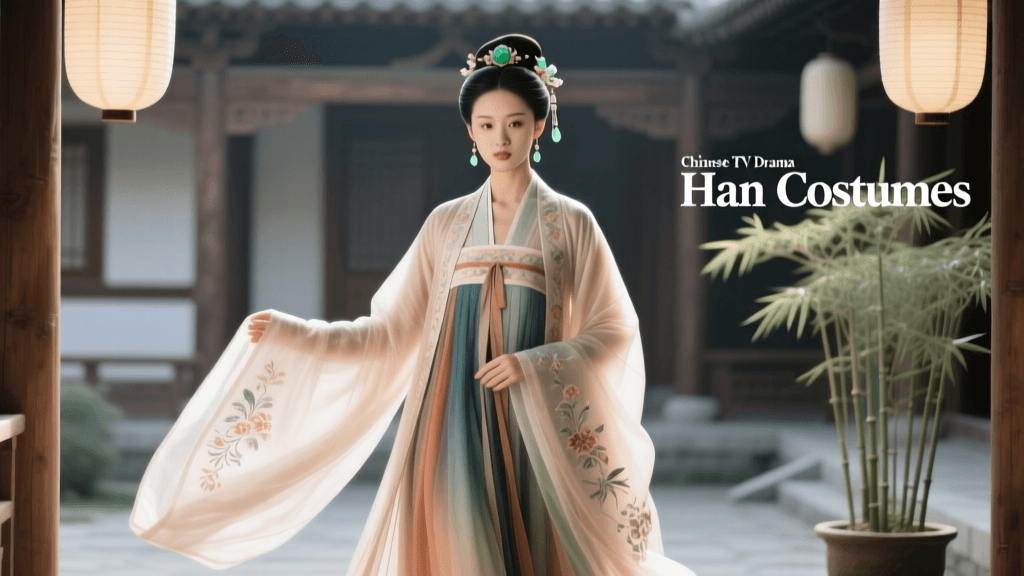
The 'Drama Effect': How Television Shapes Modern Hanfu
The intersection of screen and street has never been more vibrant than in the modern Hanfu movement. Over the past decade, high-budget Chinese historical dramas (C-dramas) have acted as the primary catalyst for the resurgence of traditional Chinese clothing. When a meticulously crafted series airs, fans do not just watch; they analyze, replicate, and purchase. This phenomenon, often dubbed the 'Drama Effect,' has transformed Hanfu from a niche historical reenactment hobby into a booming, trend-driven fashion industry. According to the Hanfu Movement, the market for traditional Chinese clothing has expanded exponentially, driven heavily by the visual inspiration provided by television costume designers.
For enthusiasts and newcomers alike, recreating these iconic looks requires more than just buying a costume online. It demands an understanding of historical silhouettes, fabric behavior, and practical styling adaptations for modern life. In this comprehensive guide, we will break down the most influential drama eras, provide actionable styling advice, and help you build a drama-inspired Hanfu wardrobe that balances screen-accurate aesthetics with everyday wearability.
Tang Dynasty Elegance: Lessons from 'The Longest Day in Chang'an'
Released in 2019, The Longest Day in Chang'an set a new gold standard for Tang Dynasty (618–907 AD) costume design. The series moved away from the hyper-saturated, fantasy-driven costumes of earlier decades, opting instead for historically grounded, textured, and richly layered garments. The standout silhouette popularized by this drama is the Qixiong Ruqun (chest-high skirt) paired with a Pibo (long silk shawl).
Practical Styling and Wearability
The Qixiong Ruqun is notoriously difficult to keep secure, as it relies on tying above the bust without the structural support of a corset. To recreate this look without the constant anxiety of a wardrobe malfunction, follow these actionable steps:
- The Silicone Hack: Sew or attach a strip of anti-slip silicone tape to the inner top band of the skirt. This grips the skin or undergarment and prevents sliding.
- Hidden Straps: Modern Hanfu brands now offer Qixiong skirts with hidden, adjustable shoulder straps. Always opt for these 'improved' versions for all-day wear at conventions or photoshoots.
- Fabric Weight: Screen-accurate Tang outfits use heavy silk brocades that drape beautifully but weigh down the ties. If buying modern polyester blends, ensure the skirt is heavily pleated and weighted at the hem to maintain the dramatic, sweeping silhouette seen on screen.
Cost Guide: Entry-level Tang sets on platforms like Taobao range from $40 to $80. For screen-accurate silk jacquard and real metal thread embroidery, expect to pay $150 to $300 from premium brands like Shisanyu.
Song Dynasty Minimalism: Styling the 'Story of Minglan' Aesthetic
If the Tang Dynasty is about opulence, the Song Dynasty (960–1279 AD) is the epitome of understated elegance. The Story of Minglan (2018) captivated audiences with its muted, earthy color palettes and slender silhouettes. The defining garment of this era is the Beizi (a long, open-front coat) worn over a Baizhequn (hundred-pleat skirt) and an inner top.
Achieving the Screen-Accurate Drape
The Song aesthetic relies heavily on the quality of the fabric and the subtlety of the weave. The costumes in Minglan avoided shiny synthetics, favoring matte linens, raw silks, and subtle damasks.
- Layering for Climate: The Beizi is incredibly versatile. In summer, wear a sheer, ramie Beizi over a modern camisole and a lightweight pleated skirt. In autumn, opt for a lined cotton or wool-blend Beizi.
- The Skirt Tie: Song pleated skirts are tied high on the natural waist. To achieve the slender, elongated look seen on the show, ensure the skirt's waistband is no wider than 2 inches, and tie it firmly above the navel.
- Color Matching: Stick to the show's signature 'Morandi' color palette—dusty pinks, sage greens, slate blues, and warm beiges. Avoid neon or highly saturated colors, which break the historical illusion.
Ming Dynasty Grandeur: The 'Under the Microscope' Influence
The Ming Dynasty (1368–1644 AD) remains the most popular era for modern Hanfu wearers, largely due to the structural elegance of the Aoqun (jacket and skirt) and the iconic Mamianqun (horse-face skirt). Recent dramas like Under the Microscope (2023) have highlighted the intricate pleating and woven gold accents of Ming textiles. The Mamianqun, in particular, has crossed over into mainstream global fashion, frequently spotted on international runways and city streets. For a deeper dive into the construction of this garment, refer to the Mamianqun historical archive.
Maintaining the Horse-Face Skirt
The Mamianqun features flat front and back panels with deep, structured pleats on the sides. Maintaining these pleats is the biggest challenge for modern wearers.
- Washing: Never machine-wash a Mamianqun. Hand wash in cold water with a mild detergent. Do not wring; gently press the water out with a towel.
- Drying and Ironing: Hang the skirt using a clip hanger, ensuring the flat panels are perfectly aligned. While damp, use a steam iron on a low setting, pressing the pleats along their natural folds. For heavy brocade skirts, use a garment steamer and let gravity do the work.
- Skirt Clips: When sitting or cycling, use decorative metal skirt clips to hold the side pleats together, preventing them from fanning out and losing their shape.
Comparison Chart: Drama Eras vs. Modern Hanfu Adaptations
Understanding the differences between screen costumes and practical modern adaptations is crucial for building a functional wardrobe. Below is a structured comparison to guide your purchasing decisions.
| Era | Iconic Drama | Key Garment | Modern Styling Tip | Avg. Cost (USD) |
|---|---|---|---|---|
| Tang | The Longest Day in Chang'an | Qixiong Ruqun | Add hidden shoulder straps; use silicone grip tape on the inner band. | $50 - $150 |
| Song | The Story of Minglan | Beizi & Baizhequn | Use matte linen blends for daily wear; layer over modern turtlenecks in winter. | $40 - $120 |
| Ming | Under the Microscope | Mamianqun (Aoqun) | Pair the skirt with modern knit sweaters; steam-press pleats after every wash. | $60 - $250 |
Navigating Sizing and Measurements
One of the most common pitfalls when buying drama-inspired Hanfu online is misunderstanding Chinese sizing. Traditional garments are generally cut with a flat, two-dimensional pattern, meaning they are more forgiving in the bust and hips but require precise shoulder and arm measurements. For more insights into the booming market and sizing trends, industry reports from the South China Morning Post's Hanfu coverage highlight how brands are adapting to global demographics.
Essential Measurement Guide
Before ordering, take these measurements using a soft fabric tape measure:
- Xiongwei (Bust): Measure around the fullest part of your chest. For cross-collar tops (Jiaoling), add 2-4 inches to ensure the collar lays flat without pulling.
- Yaowei (Waist): Measure your natural waist (the narrowest part). This is critical for Song and Ming skirts.
- Tongxiu (Arm Span): Measure from the tip of one middle finger, across the back of the neck, to the other middle finger. Traditional Ming and Song sleeves often require an arm span of 160cm to 180cm to achieve the elegant drape seen on screen.
Garment Care and Storage for Longevity
Investing in screen-accurate Hanfu means investing in delicate textiles. Proper storage is just as important as washing.
'The longevity of a Hanfu garment depends entirely on how it rests when not in use. Folding structured skirts or hanging heavy silk tops on wire hangers will permanently distort the historical silhouette.' — Textile Conservation Best Practices
- Storage: Store Mamianqun flat or rolled around acid-free tissue paper to preserve the knife pleats. Hang lightweight Beizi and Ruqun tops on padded wooden hangers.
- Pest Control: Natural fibers like silk and wool are susceptible to moths. Store your Hanfu in breathable cotton garment bags with cedar blocks or natural lavender sachets. Avoid mothballs, as the chemicals can stain and degrade silk fibers.
- Sunlight: UV rays will quickly fade the rich, screen-accurate dyes used in premium Hanfu. Never store your garments in direct sunlight, and avoid line-drying them outdoors on bright days.
Conclusion: Bringing the Screen to the Street
Chinese TV dramas have done more than entertain; they have provided a visual encyclopedia of historical fashion, sparking a cultural renaissance that allows anyone to wear a piece of history. By understanding the structural nuances of Tang, Song, and Ming garments, adapting them with modern hacks, and caring for them properly, you can seamlessly integrate the magic of C-drama costumes into your everyday wardrobe. Whether you are attending a convention, a traditional festival, or simply walking through the city, your drama-inspired Hanfu will carry the weight and beauty of centuries of textile artistry.